
Vandaag of morgen in huis

Kwaliteit gegarandeerd

Welkomstaanbiedingen ontgrendelen: GRATIS bezorging | Tot 80% korting | Gratis 30 dagen JoyPlus-proefperiode
Download de app
A face cream may seem simple to choose, but attractive packaging or a long ingredients list does not automatically mean the product is right for your skin. Many consumers pay for promises that are difficult to verify, while the wrong texture can leave your skin feeling tight, shiny or uncomfortable.
Pay particular attention to these three common pitfalls:
A cream for dry skin often contains a combination of humectants, emollient ingredients and substances that help limit moisture loss. Think glycerine, shea butter, jojoba oil, squalane or fatty acids. A richer cream is particularly pleasant in the evening or during cold, dry months.
For a face cream for oily skin or combination skin, a gel cream is often a more practical choice. It usually absorbs quickly and leaves less shine or a sticky layer behind. However, bear in mind that “lightweight” does not mean the same as “sufficiently hydrating”.
A cream with hyaluronic acid contains a humectant ingredient used in many moisturisers. It can help skin feel more comfortable and supple, but it is not a substitute for a complete skincare routine.
If you want to repair or support the skin barrier, look for ceramides, cholesterol, fatty acids and panthenol. A cream with ceramides is not automatically essential for everyone, but it may suit dry or sensitive skin that needs a more protective feel.
For sensitive skin, a fragrance-free face cream is a sensible first choice. Check the label: some products contain no added fragrance ingredients but do contain essential oils with fragrance components.
An anti-ageing face cream may contain various active ingredients. Retinol is a well-known example. According to the brand's product description, retinol is intended for care around fine lines and skin texture; this is a brand claim, not a medical guarantee. Introduce it gradually, follow the packaging instructions and use sun protection during the day.
Always test a new face cream on a small area of skin first. Stop using it if you experience burning, itching, swelling or persistent redness. Do not apply cosmetics to damaged skin and avoid contact with the eyes.
The selection below is based on verifiable product details such as size, texture, ingredients and stated usage. Suitability is personal, so check the current packaging and ingredients list before buying.
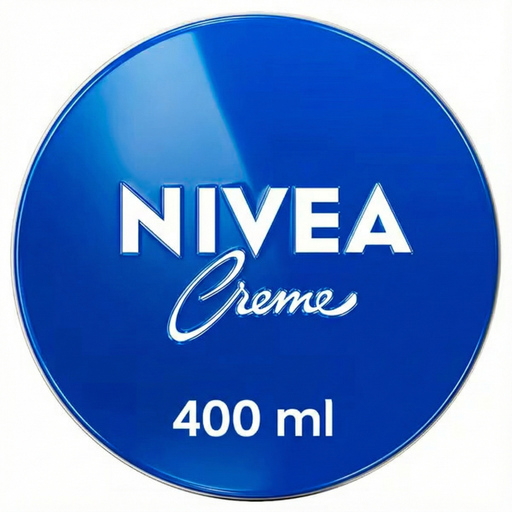
Why it suits this profile: The large 400 ml size is suitable for anyone who wants to use one moisturising cream for their face, hands and body. The rich texture is particularly suitable for dry skin.
The product information clearly states the size, use on the face and body, and the fragrance allergens present. This allows you to assess the formula more carefully instead of focusing only on “intensive hydration”.
400 ml size; glycerine and panthenol in the ingredients list; suitable for daily use on the face and body. Contains fragrance and fragrance components.

Why it suits this profile: The gel cream is an interesting choice for anyone looking for a lightweight face moisturiser that can be worn under make-up and is not intended only for dry skin.
The stated gel texture makes the product choice more specific than a general claim about hydration. The product information also states that the formula is fragrance-free, alcohol-free and non-comedogenic.
30 ml gel cream; according to the product information, suitable for dry, combination and oily skin; fragrance-free and alcohol-free according to the product description.
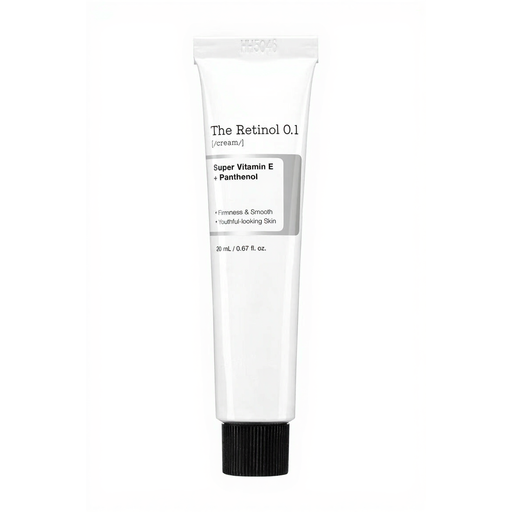
Why it suits this profile: This Korean face cream is intended for users who deliberately want to add a product containing 0.1% retinol to their evening routine and follow the directions carefully.
The retinol percentage is stated explicitly in the product name and description. This allows you to check the strength and prevents a general anti-ageing claim from dictating your choice.
0.1% retinol; also contains hyaluronic acid and panthenol according to the ingredients list; compact 20 ml size. Do not use without introducing it gradually and monitoring your skin's reaction.
We have put together a complete, up-to-date list of products that fully meet these strict selection criteria and the applicable European safety regulations.
A product marketed for “all skin types” may be practical, but it says little about the texture you actually need. So consider your daily situation:
You can usually apply a moisturiser after cleansing in the morning and evening. Use a small amount and, if desired, apply a serum or toner first. During the day, sun protection is part of a complete routine, especially when using active ingredients.
Check the expiry date and the open-jar symbol showing the period after opening on the packaging. Close the pot or tube properly, store the product in a cool, dry place and keep it out of direct sunlight. A change in smell, colour or texture is a reason to stop using the product.
The price depends partly on the brand, size, packaging and ingredients. Compare the price per millilitre and check whether you are buying a day cream, night cream or multifunctional cream. A larger pack is only good value if the texture and formulation are genuinely right for your skin.
