
Vandaag of morgen in huis

Kwaliteit gegarandeerd

Welkomstaanbiedingen ontgrendelen: GRATIS bezorging | Tot 80% korting | Gratis 30 dagen JoyPlus-proefperiode
Download de app
Buying a new face cream seems simple, until you have to choose between moisturising, firming, natural and anti-ageing formulas. A high price or well-known brand name does not automatically mean a cream is right for your skin. The best choice depends mainly on your skin type, the ingredients, the texture and when you want to use the cream.
Words such as “lifting”, “glow” and “intensive repair” sound appealing, but reveal very little about the formula. Instead, look for verifiable information:
Claims about visibly younger-looking skin, collagen stimulation or a stronger skin barrier come from brands’ product descriptions. Do not treat them as guaranteed results. A brand’s own research may report certain effects, but your experience will depend on your skin type, how you use the product and the other products in your routine.
A rich cream can feel pleasant on dry skin, but less comfortable on oily or combination skin. When choosing a cream for oily skin, look for a lightweight texture and usage advice that matches your skin. According to the product information, the Annayake Bamboo Energizing Perfecting Cream is intended for combination to oily skin and contains glycerin, jojoba oil and sodium hyaluronate, among other ingredients.
Retinol, AHA and BHA are popular ingredients in an anti-ageing face cream or exfoliating cream. However, they require a cautious approach at first. Product information for retinol products warns of possible sensitivity to sunlight, dryness or irritation. Start with a small amount, do not use several active products at the same time straight away, and follow the instructions on the packaging.
When pregnant or breastfeeding, the product information for some retinol products advises consulting a healthcare professional first. Only use a retinol cream as directed on the label.
Dry skin: choose a cream with humectants and soothing ingredients, such as glycerin, hyaluronic acid, shea butter, squalane or oils. A cream for dry skin can be richer, particularly in the evening.
Sensitive skin: limit the number of new products you introduce at once. Check the ingredients list for fragrance, essential oils and active acids if you have reacted to them before. A patch test on a small area of skin can help give you an initial idea of how well you tolerate the product.
Oily or combination skin: a lightweight lotion or gel cream may feel more comfortable than a thick balm. Also look at the difference between a cosmetic claim such as “matte finish” and an actual product detail such as its texture.
Acne-prone skin: look for a clear ingredients list and be cautious with rich oils or heavily fragranced formulas. A cream is not a substitute for medical treatment. If skin problems persist, ask your GP or pharmacist for advice.
A moisturising face cream often contains glycerin, sodium hyaluronate, panthenol or other humectants. A firming face cream may contain peptides, niacinamide or adenosine in its ingredients list. Their presence does not automatically mean that the product will completely eliminate wrinkles or sagging.
Retinol, AHA and BHA may be suitable for a targeted evening routine. Do not combine them with other intensive treatments without good reason. During the day, sun protection is important, particularly when a product may increase sensitivity to sunlight.
A jar is not necessarily unsuitable, but you should use it hygienically and keep the packaging properly closed. A pump bottle or tube can be useful if you want to minimise contact between the product and your fingers. After opening, check the period-after-opening symbol on the packaging, such as 6M, 12M or 24M.
Use a face day cream after cleansing and, during the day, apply separate sun protection if needed. Use a face night cream as the final step in your evening routine. Applying more product does not automatically produce better results; in most cases, a small, evenly distributed amount is sufficient.
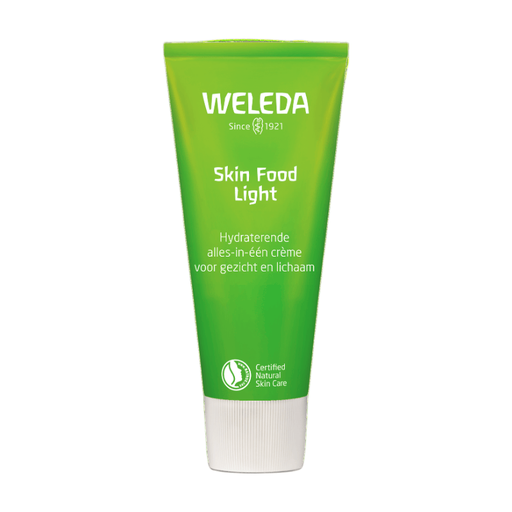
Why it suits this profile: The 75 ml formula is intended for the face and body and can be used during the day. According to the product information, this natural face cream contains 100% natural ingredients and its lightweight texture absorbs quickly.
The product information clearly states the skin type, volume, usage and natural origin. This means you do not have to rely solely on general terms such as “nourishing”.
75 ml volume; suitable for the face and body; lightweight texture; NATRUE label according to the product description.
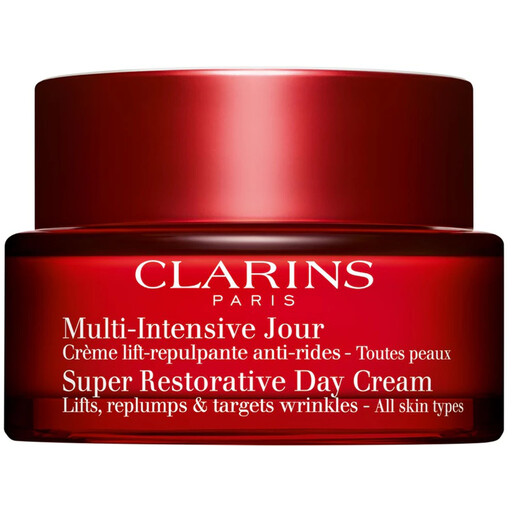
Why it suits this profile: According to the product specifications, this face day cream is suitable for all skin types and contains glycerin, squalane, shea butter and sodium hyaluronate, among other ingredients.
The choice is based on skin type, volume and ingredients rather than anti-ageing language alone. The formula is also paraben-free according to the product details.
50 ml; intended as a day cream; suitable for all skin types; dermatologically tested according to the product information.
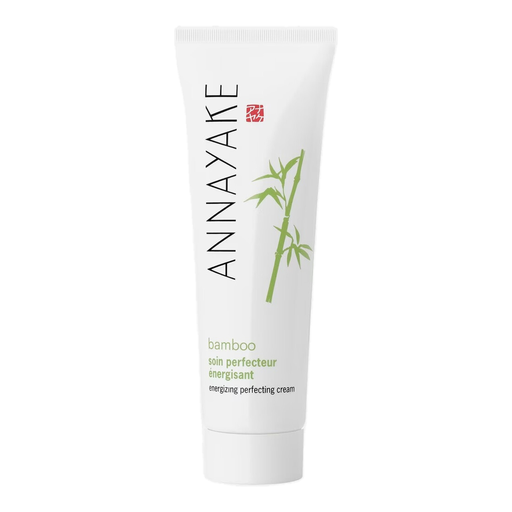
Why it suits this profile: The product information identifies oily skin as the target audience and describes a more matte, even-looking complexion. According to the usage instructions, the cream can be applied in the morning and evening.
The target audience and application instructions are clearly stated. This makes it a more logical choice than a rich cream selected solely for its luxurious appearance.
50 ml; silicone-free formula according to the product details; contains glycerin, jojoba oil and sodium hyaluronate.
We have put together a complete, up-to-date list of products that fully meet these strict selection criteria and the applicable European safety regulations.
Check the best-before date and the period after opening on the packaging. This information may vary from one formula to another. Close jars or tubes properly and store the cream in a cool, dry place away from direct sunlight. Has the scent, colour or texture changed? Stop using the product.
A face day cream is often designed for comfortable daytime use and can work well under make-up. A face night cream is usually richer or contains ingredients that are better suited to evening use, such as retinol. Not every cream has to be used strictly as a day or night product: above all, follow the manufacturer’s instructions.
The price depends on the volume, brand, ingredients, packaging and positioning. Compare the price per millilitre and check whether the formula suits your skin type. A more expensive anti-ageing face cream does not guarantee better results. A suitable moisturising face cream used consistently is often a more sensible purchase than a product full of claims that does not suit your skin.
