
Vandaag of morgen in huis

Kwaliteit gegarandeerd

Welkomstaanbiedingen ontgrendelen: GRATIS bezorging | Tot 80% korting | Gratis 30 dagen JoyPlus-proefperiode
Download de app
A face cream may seem like a simple product, but the wide range of options can make choosing difficult. Are you looking for a day cream, a moisturising face cream or a moisturiser for your face? You will soon come across terms such as “intensive hydration”, “anti-ageing” and “radiant complexion”. These claims do not always tell you enough about the formula or how it performs in everyday use.
The following three pitfalls regularly lead to disappointing purchases:
Start by considering your own skin’s needs. A cream for dry skin often contains a richer base with ingredients such as glycerine, shea butter, oils or fatty alcohols. A lightweight day cream may be enough for normal skin. Oily or combination skin often benefits more from a non-greasy gel or lotion texture.
Also look out for the words “parfum”, “alcohol denat.” and fragrance allergens in the INCI list. These ingredients are not automatically unsuitable, but they may be worth paying attention to if you have sensitive skin. A product described as alcohol-free, such as some NIVEA MEN Sensitive formulas, excludes one specific type of alcohol; always check the full product information.
Common ingredients for daily hydration include glycerine, panthenol, hyaluronic acid and certain oils. Glycerine helps attract moisture, while fats and oils can make the skin feel softer. The presence of an ingredient alone does not guarantee a particular result.
A moisturising day cream should also feel comfortable on your skin. If the cream absorbs slowly or leaves a sticky layer behind, you may be less likely to use it consistently. A lightweight formula can therefore be a practical choice during the day or under make-up.
A vitamin C cream or cream containing niacinamide is often chosen to promote a more even-looking complexion. A brand’s own research or product information may associate these ingredients with specific results. Consider such results to be brand claims, not a guaranteed outcome for every user.
An anti-ageing cream may contain ingredients such as vitamin E, retinyl palmitate, adenosine, hyaluronic acid or peptides. Brand product descriptions may refer to firmer-looking skin or less visible lines. The visibility of such effects varies from person to person. Use the product according to the label and stop using it if irritation occurs.
A cream with SPF is convenient for your morning routine. Check whether the sun protection factor suits your everyday circumstances. For prolonged sun exposure, a separate sun-care product is often more practical, as you can generally apply and reapply enough of it.
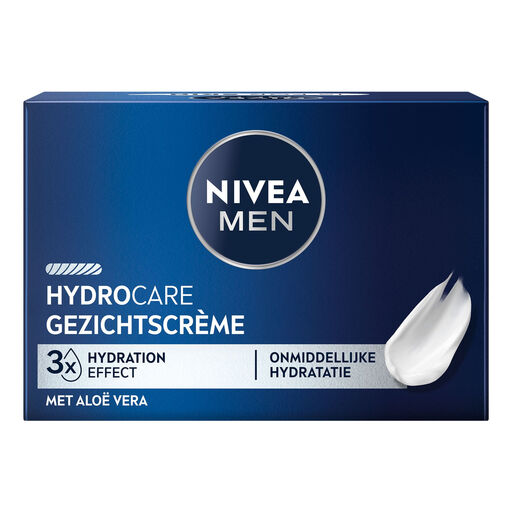
Why it suits this profile: This 50 ml moisturiser is intended for normal and dry skin and, according to the product description, has a lightweight, fast-absorbing formula for everyday use.
The product information clearly states the skin type, volume and texture. This makes comparing products easier than choosing based on a marketing term alone.
Glycerine, panthenol and aloe vera are listed among the ingredients; according to the description, the cream is non-greasy and suitable for everyday use.
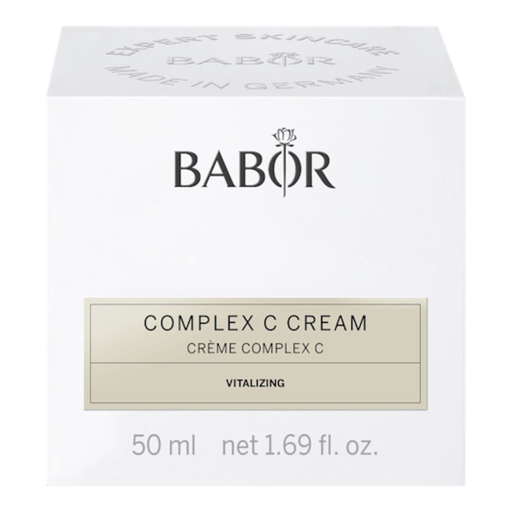
Why it suits this profile: According to the product information, this richer 24-hour cream is intended for everyday use and can be applied in the morning and evening.
The ingredients list includes glycerine, panthenol and vitamin E, among others. However, check that the richer texture suits your skin and preferences.
50 ml in a jar; according to the specified INCI list, the formula contains retinyl palmitate, tocopheryl acetate and panthenol.
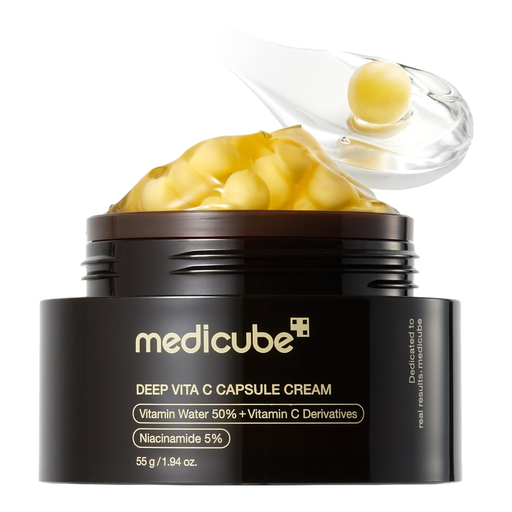
Why it suits this profile: This Korean face cream is aimed at users who want to deliberately add vitamin C and niacinamide to their routine. The gel and capsules are mixed together before use.
The packaging and product description make the two-part formula clear. According to the product information, you can adjust the ratio for a lighter or richer application.
The ingredients list includes niacinamide, various vitamin C derivatives, panthenol and sodium hyaluronate; do not use on irritated or damaged skin.
We have compiled a complete, up-to-date list of products that fully meet these strict selection criteria and the applicable European safety regulations.
Cleanse your face, then apply a small amount of cream to your face and neck. A thin layer is usually enough; using more product does not automatically mean more hydration. Test a new formula on a small area of skin first. If redness, itching or a burning sensation develops, stop using it.
Introduce active ingredients gradually. A cream containing vitamin C, AHA or BHA may feel different from a basic moisturiser. Follow the instructions on the packaging and use suitable sun protection during the day when advised in the product information.
Pay attention to the expiry date, the period-after-opening symbol and batch information on the packaging. Store the jar or tube in a dry place, away from direct sunlight, and close it properly. It is best not to use a cream if its scent, colour or texture changes.
Choose a cream with moisturising ingredients such as glycerine, panthenol or hyaluronic acid, and check that the texture feels sufficiently comfortable. A richer formula containing shea butter or oil may feel pleasant on dry skin. If you have sensitive skin, test the product on a small area first.
Yes, as long as you follow the instructions on the label. An SPF 15, SPF 25 or SPF 30 cream provides the level of protection associated with that factor. The level of protection depends on the amount applied and whether you reapply it. In strong sunlight, while swimming or when spending a long time outdoors, a separate sun-care product is a practical addition.
Check the expiry date and the period-after-opening symbol on the packaging. The exact period varies from product to product. Close the packaging after use and store the cream according to the manufacturer’s instructions. Also consider the size when buying: 50 ml is common, while 75 ml or 55 g may last longer depending on how much you use each day.
