
Vandaag of morgen in huis

Kwaliteit gegarandeerd

Welkomstaanbiedingen ontgrendelen: GRATIS bezorging | Tot 80% korting | Gratis 30 dagen JoyPlus-proefperiode
Download de app
Buying a face cream sounds simple, but the wide range of options makes comparing products difficult. A hydrating face cream, moisturiser, gel cream or night cream can feel and perform very differently as part of your daily routine. The right choice depends not only on the brand or packaging, but above all on your skin type, ingredients, texture and when you plan to use it.
Not every cream with “moisturising” or “anti-ageing” on the label is intended for the face. For example, NIVEA 3-in-1 Q10 Anti-Age Hand Cream has been developed for hands. The product description mentions Q10, glycerine and UV filters, but this is not a face cream. Always check the stated area of application.
According to the product information, hyaluronic acid helps the skin retain moisture, but the amount, form and overall formula determine how a cream feels. The same applies to ceramides, niacinamide, retinol and peptides. A hyaluronic acid cream is not automatically suitable for every skin type, while a ceramide cream may feel too rich on oily skin.
Claims about performance come from the brand or product description. According to the manufacturer’s own information, The Retinol 0.1 Cream contains 0.1% retinol for caring for fine lines. This is not a guarantee of individual results. Retinol can also cause sensitivity or dryness, so introduce it gradually and follow the packaging instructions.
A 100 ml jar may seem attractively priced, but a rich cream can go unused if you are accustomed to a gel texture. Conversely, a lightweight gel cream may not provide enough comfort for dry skin, particularly in the evening or during cold, dry periods. Texture is therefore not a minor detail, but a practical factor when choosing a product.
Glycerine, betaine and hyaluronic acid are moisture-binding ingredients often found in a hydrating face cream. Ceramides, cholesterol and phytosphingosine are used in formulas focused on supporting the skin barrier. The ingredients list for Ceramide Skin Barrier Moisturizer includes several ceramides, cholesterol, panthenol and hyaluronic acid.
Niacinamide is often used in formulas designed to promote a more even-looking complexion and support your skincare routine. Product descriptions from Medicube, SKIN1004 and Dr. Althea mention this ingredient. However, check the full formula if your skin is quick to react.
A day cream with a UV filter can form part of your morning routine, but always check the stated level of protection and use a suitable sun protection product during prolonged exposure. A night cream can be richer, as you do not need to apply make-up over it.
Pay attention to the packaging too. A pump bottle generally limits contact with the contents, whereas you apply a cream from a jar with your fingers. Check the expiry date and the period-after-opening symbol on the packaging. Store face cream somewhere cool and dry, away from direct sunlight, as stated in the product information.

Why it suits this profile: The 100 ml size is practical for everyday use in a simple routine. According to the product information, the gel-cream texture is suitable for normal, dry and mature skin.
The product information states that it is intended for use on the face and mentions five forms of hyaluronic acid. This means you do not have to rely solely on a general claim on the packaging.
100 ml size; glycerine, panthenol, ceramide NP and several forms of hyaluronic acid in the ingredients list.
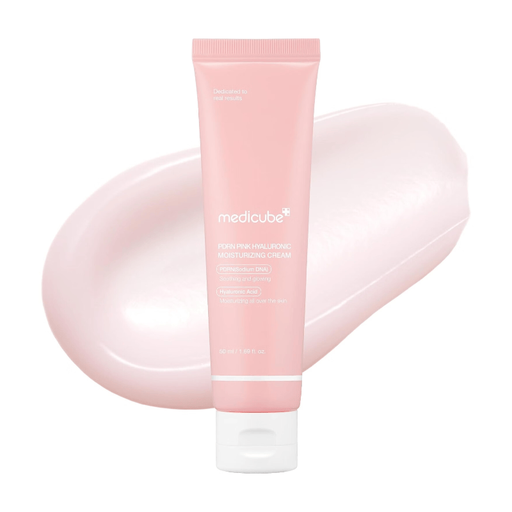
Why it suits this profile: This Korean skincare formula focuses on a combination of hydration and barrier care. It is well suited to users looking for several nourishing ingredients in one cream.
The full ingredients list is provided. This allows you to identify fragrance and consider a patch test if you have sensitive skin.
Contains panthenol, niacinamide, several forms of hyaluronic acid and various ceramides.

Why it suits this profile: This barrier-repair cream is an interesting option for anyone who pays close attention to ceramides, cholesterol, squalane and panthenol in a formula.
The formula is not based solely on hyaluronic acid: the ingredients list includes several ceramides, cholesterol and lipid-like ingredients.
80 ml size; ceramide NP, NS, AP, AS and EOP; according to the product information, clinically tested for, among other things, hypoallergenic properties.

Why it suits this profile: According to the product information, this gel cream is intended for dry, very dry, combination and oily skin, and can be used under make-up.
The product information clearly explains the texture and when to use it. It also states that the formula is free from alcohol, fragrance, parabens and phthalates.
Gel-based; 30 ml size; stated to be non-comedogenic and suitable for use under make-up.
We have put together a complete, up-to-date list of products that fully meet these strict selection criteria and the applicable European safety regulations.
An anti-ageing face cream containing retinol is best introduced gradually, following a sensible build-up schedule and the instructions on the packaging. Use suitable sun protection during the day. A night cream with a richer texture is particularly practical when a lightweight day cream does not feel comfortable enough.
Look for a cream containing glycerine, panthenol, hyaluronic acid, ceramides, squalane or nourishing oils. A cream for dry skin can be richer, but it should still feel comfortable. If your skin is very sensitive, fragrance is an ingredient to pay particular attention to.
According to the product instructions, most hydrating creams can be used once or twice a day. Start with a small amount. During the day, you can apply sun protection after your face cream; in the evening, a night cream can be the final step in your routine.
Check the expiry date and the period-after-opening symbol on the packaging. Keep the product tightly closed, somewhere cool and away from direct sunlight. If the smell, colour or texture changes noticeably, stop using the cream.
