
Vandaag of morgen in huis

Kwaliteit gegarandeerd

Welkomstaanbiedingen ontgrendelen: GRATIS bezorging | Tot 80% korting | Gratis 30 dagen JoyPlus-proefperiode
Download de app
Picking a new face cream might seem straightforward. Yet it's all too easy to pay for a pretty jar, a long ingredients list or a promise that doesn't match your skin. A gel cream, for example, can feel pleasantly light, but may not offer enough comfort for a dry complexion. A rich cream, on the other hand, can feel too heavy under make-up or on oily skin.
This buying guide will help you compare products objectively based on skin type, texture, ingredients, size and when you plan to use them.
Words like "restorative", "radiant" or "anti-ageing" don't automatically describe what you'll experience. According to a brand's own research or the product description, a formula might, for example, help retain moisture or make the skin feel comfortable. That's no guarantee of a visible result for every user.
So look for verifiable information instead:
A hydrating face cream doesn't always have to be rich and greasy. A gel cream is often practical for oily or combination skin, while a cream with shea butter, squalane or occlusive ingredients can offer more comfort for dry skin.
So look beyond the term "moisturiser". The finish can range from matte to dewy, and from fast-absorbing to protective and fuller on the skin.
A product may be presented as "for sensitive skin" yet still contain fragrance or fragrance allergens. Dear, Klairs Rich Moist Soothing Cream, for example, contains essential oils such as lemon, lavender and eucalyptus oil. That doesn't automatically make it unsuitable, but it is relevant information if you react quickly to fragrance ingredients.
When trying a new cream, first do a small patch test on a limited area of skin. Stop using it if irritation occurs and always follow the safety information on the packaging.
A face cream with hyaluronic acid often contains different forms of hyaluronic acid or sodium hyaluronate. These ingredients are mainly used in hydrating formulas. The Ceramide Skin Barrier Moisturiser combines multiple forms of hyaluronic acid with ceramides, cholesterol and phytosphingosine.
A face cream with niacinamide can be interesting if you're looking for a versatile formula. Beauty of Joseon Dynasty Cream lists niacinamide, glycerine, panthenol and sodium hyaluronate in its ingredients. According to the product description, the cream is intended for hydration and a dewy finish.
For a skin barrier cream, ceramides, fatty acids, cholesterol, panthenol and squalane are relevant ingredients to compare. The presence of one ingredient doesn't automatically mean the skin barrier will visibly improve; look at the full formula and your own skin's reaction.
A 100 ml pot might seem good value, but only if you enjoy the texture every day. A smaller size can be ideal for trying it out first or for taking with you.
A night cream is often richer than a day cream, but that's not a fixed rule. Always check the usage instructions. Derlon Night Cream, for example, is intended for evening use and contains shea butter, vitamin E, ubiquinone and sodium hyaluronate among its ingredients. If you're specifically looking for this type of product, you can also browse the range of night cream for face.
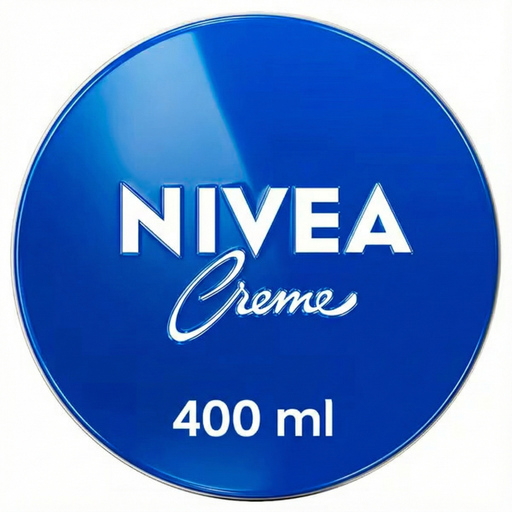
Why it suits this profile: The large size is practical if you want one cream for your face, hands and body and don't need an elaborate routine.
The product information clearly states its multi-purpose use and the ingredients, including panthenol and lanolin alcohol. Do check the listed fragrance ingredients if you're sensitive to them.
400 ml; suitable for face and body; contains panthenol.
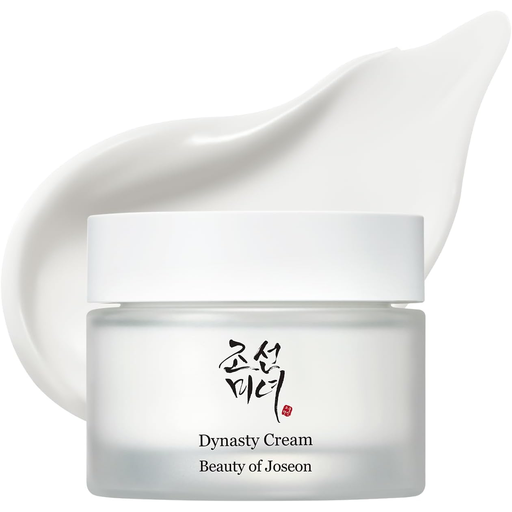
Why it suits this profile: This Korean face cream is ideal if you're after a fuller texture and a dewy finish for your daily routine.
The ingredients list makes the formula verifiable: it includes glycerine, niacinamide, panthenol, squalane and sodium hyaluronate.
100 ml; contains niacinamide and hyaluronic acid; suitable for morning and evening according to the product information.

Why it suits this profile: A logical choice if you're specifically looking for a skin barrier cream with ceramides and multiple forms of hyaluronic acid.
Instead of just assessing a general hydration claim, you can check the ceramides, cholesterol, panthenol and hyaluronic acid in the ingredients list.
80 ml; multiple ceramides; patch test recommended according to the safety information.
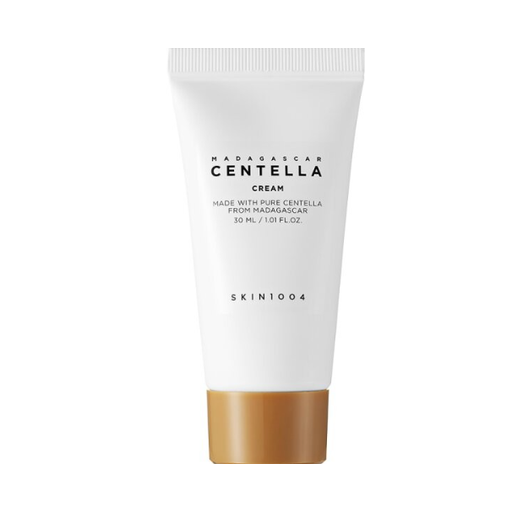
Why it suits this profile: The light formula is designed for normal and sensitive skin and can be practical under make-up or sunscreen.
The product description mentions the texture, the intended use and the key ingredients, including Centella Asiatica, panthenol and TECA. Check the current packaging for the full list.
30 ml; light texture; contains Centella Asiatica and panthenol.
We've put together a full, up-to-date list of products that fully meet these strict selection criteria and comply with current European safety regulations.
Apply the cream to a cleansed face. A small amount is usually enough; more product doesn't automatically mean more hydration. During the day, use a separate sunscreen if that fits your routine. A night cream can be used as the last step in the evening.
Don't combine several new products at once. That way, you'll more easily recognise which formula feels comfortable and which might cause irritation. Also check the expiry date, the period after opening and the storage advice on the packaging.
That depends on the product instructions and your skin. Many moisturisers are intended for morning and evening. Start with a small amount and adjust the frequency if your skin feels tight or, conversely, too greasy.
Look for a formula with humectants such as glycerine or hyaluronic acid, combined with ingredients that help lock in moisture, such as shea butter, squalane or certain oils. A richer texture isn't automatically more suitable; comfort and tolerance remain important.
Sometimes you can, but first check the texture and the usage instructions. A rich night cream can feel heavy during the day or may not work well under make-up. For formulas with exfoliating ingredients, such as glycolic acid, pay extra attention to the product instructions and sun protection.
