
Vandaag of morgen in huis

Kwaliteit gegarandeerd

Welkomstaanbiedingen ontgrendelen: GRATIS bezorging | Tot 80% korting | Gratis 30 dagen JoyPlus-proefperiode
Download de app
Choosing a new face cream may seem straightforward, but the differences between formulas, skin types and times of use can be significant. A rich cream may feel comfortable on dry skin, yet too heavy on combination or blemish-prone skin. A product containing retinol or acids may appeal to mature skin, but should be introduced gradually.
As a Joybuy Product Recommendation Officer, I filter product information according to verifiable characteristics, helping you assess marketing claims more effectively. Below, you’ll find what to look for in 2026 when choosing a moisturising face cream, anti-ageing cream, day cream or night cream.
A cream containing numerous active ingredients may seem appealing, but multiple acids, retinol, fragrance or essential oils may be less suitable for sensitive skin. Start by identifying your skin type, then review the complete INCI list.
For a cream for sensitive skin, simple, hydrating ingredients that support the skin barrier are often more practical than a formula containing numerous exfoliating substances. Perform a patch test when trying a new product, particularly if your skin is prone to redness, itching or a burning sensation.
Terms such as “lifting”, “collagen” and “anti-ageing” often describe a brand’s positioning. According to the brand’s own research, certain ingredients may improve the appearance of fine lines, dehydration lines or a dull complexion. This is not the same as a guaranteed result for every user.
Instead, focus on the actual formulation. Consider the retinol percentage, niacinamide, glycerine, hyaluronic acid, ceramides, bakuchiol or vitamin C derivatives.
A day cream may have a lightweight feel and sometimes contain SPF. A night cream is often richer and designed to provide comfort during your evening routine. A cream containing retinol is generally intended for evening use, according to the product information. During the day, sun protection is important, particularly when using products with retinol or exfoliating acids.
Texture plays an important role in whether you continue using a cream every day. A rich formula can be beneficial in winter or for dry skin, while a fast-absorbing cream may work better under make-up.
A retinol cream should be introduced gradually. According to the product information, The Retinol 0.1 Cream contains 0.1% retinol and is intended for users who want to begin with retinol at a measured pace. The 0.3 version contains 0.3% retinol according to the ingredient list and requires particular attention to gradual introduction, sun protection and avoiding simultaneous use with other potent exfoliants.
When choosing a vitamin C cream, it is important to check which form of vitamin C is used. A derivative may react differently to light, air and the skin than pure ascorbic acid. With a collagen cream, it is wise to assess the complete formula rather than focusing solely on the word collagen on the packaging.
Do not compare price alone; also consider the amount of product. Many face creams contain 20, 40, 50, 60 or 100 ml. Check the expiry information on the packaging and pay attention to the period after opening. A pump bottle generally limits contact with air and fingers, while a jar should be used hygienically with clean hands or a spatula.
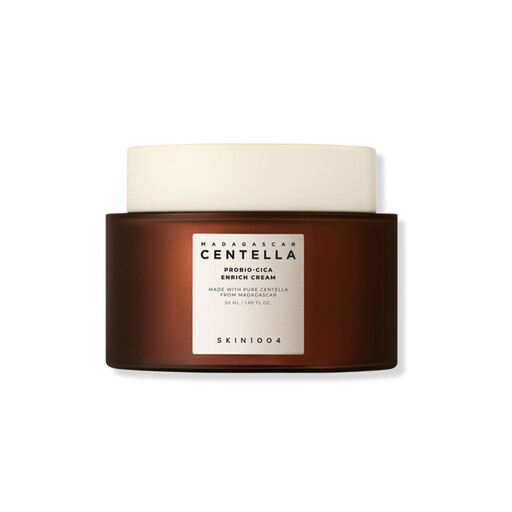
Why it’s a good fit: A daily barrier-supporting cream for those primarily seeking comfort and hydration, for example when dealing with dry skin during a cold Dutch winter.
The product description lists glycerine, niacinamide, Centella Asiatica, ceramide NP and seed oils. This allows you to assess the formula based on specific ingredients rather than relying solely on an anti-ageing claim.
50 ml, vegan according to the product information and dermatologically tested according to the stated specifications.
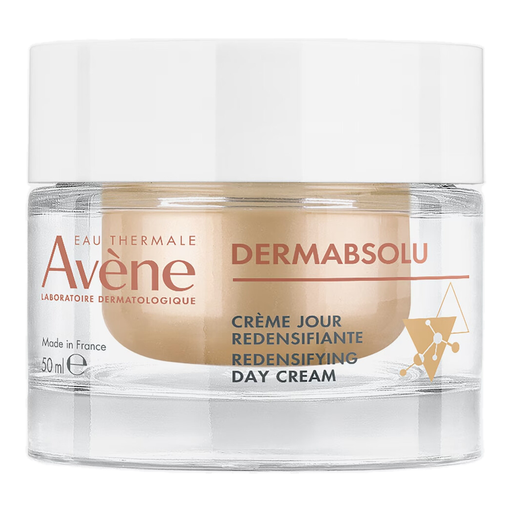
Why it’s a good fit: Designed for those seeking a day cream for mature skin that provides a richer texture and daily hydration.
The listed ingredients and product details are easier to assess than broad terms such as “rejuvenating”. The formula includes bakuchiol, pro-ceramides, glycerine, hyaluronic acid and shea butter.
Developed for mature skin; the product information states that it has a vegan formula and has undergone dermatological testing.
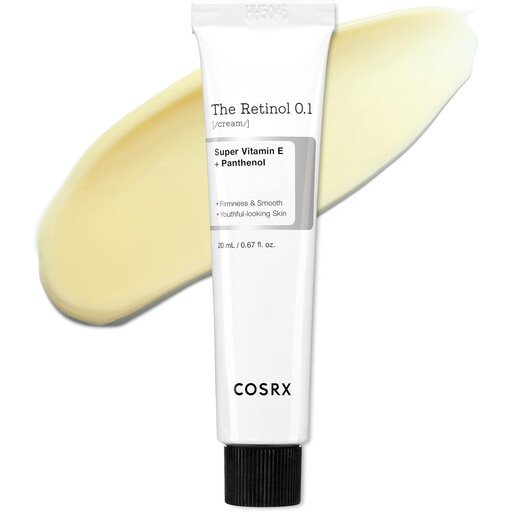
Why it’s a good fit: For adults who want to incorporate a retinol cream into their evening routine and prefer to start with a lower concentration.
The stated concentration is 0.1% retinol. The usage instructions recommend introducing it gradually—for example, on a few evenings per week—and discontinuing use if irritation occurs.
Contains 0.1% retinol, panthenol and several forms of hyaluronic acid according to the product information.
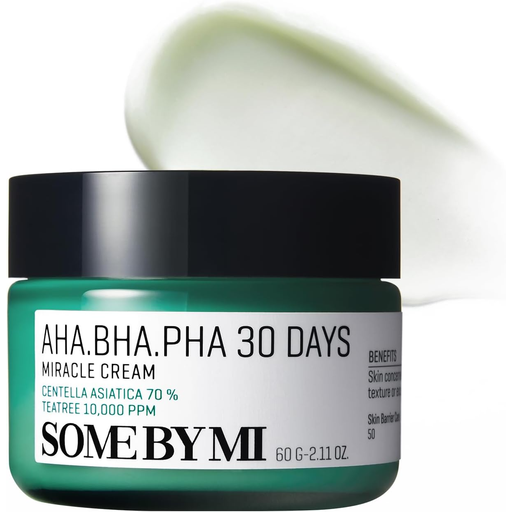
Why it’s a good fit: An option for those who want to combine hydration with a formula containing AHA, BHA and PHA.
The product information lists AHA, BHA and PHA and warns of increased sun sensitivity. This makes it clear that daily SPF and a cautious introduction are essential.
60 ml and, according to the product details, suitable for combination and acne-prone skin. A patch test remains advisable.
If you would like to compare different options, you can also browse the page featuring anti-wrinkle creams.
Explore a current selection of products and compare size, ingredients, time of use and skin type before placing your order.
Hydration and a more comfortable skin feel may be noticeable quickly. Changes in the appearance of fine lines, dryness or a dull complexion generally require consistent use. Results vary depending on skin type, formula and daily routine.
Yes. During the day, use a lighter day cream, optionally with SPF, and apply a richer night cream in the evening. Do not combine active ingredients automatically. A retinol cream and a cream containing AHA or BHA may cause irritation more quickly when used together.
Look for a short, easy-to-understand ingredient list and initially avoid products containing high levels of fragrance, essential oils or exfoliating acids. A barrier-supporting cream containing ingredients such as glycerine, panthenol, ceramides or shea butter can be a practical choice. Always check the current packaging and discontinue use if irritation occurs.
