
Vandaag of morgen in huis

Kwaliteit gegarandeerd

Welkomstaanbiedingen ontgrendelen: GRATIS bezorging | Tot 80% korting | Gratis 30 dagen JoyPlus-proefperiode
Download de app
Buying a face cream seems simple, until you have to choose between a hydrating face cream, a cream for dry skin, a soothing face cream or an anti-ageing cream. Marketing copy does not always make it clear which formula is right for your skin and routine.
Three common pitfalls are:
A moisturiser for the face usually does not work because of just one ingredient. Look for a combination of:
A cream with hyaluronic acid and ceramides may be appealing for dry or tight-feeling skin. However, check that the formula is not too rich for your skin type.
The order of ingredients on the label provides a practical indication of the formula, but it does not fully predict how the cream will feel on your skin.
A face cream is intended for external use. Avoid contact with the eyes and stop using it if persistent redness, itching or irritation occurs. A patch test on a small area of skin may be sensible, particularly if you have sensitive skin.
Retinol requires extra care. According to product information, retinol 0.3% is recommended for evening use only, with gradual introduction. Use sun cream during the day and do not combine the product indiscriminately with other retinol, AHA or BHA products. Medical advice is recommended during pregnancy or breastfeeding.
Also check the PAO symbol or expiry information on the packaging. For example, an open-jar symbol marked “6M” means that the product should be used within six months of opening.

Why it suits this profile: According to the product information, this gel cream contains five forms of hyaluronic acid and has a lightweight texture. This makes it a logical starting point for normal, dry or mature skin types looking for daily hydration.
The formula is not built around just one standout ingredient: the ingredients list also includes glycerine, betaine, panthenol, ceramide NP and various oils.
100 ml capacity; gel cream texture; contains several forms of hyaluronic acid and nourishing oils.

Why it suits this profile: According to the product information, this Korean skincare cream focuses on a combination of ceramides, cholesterol, panthenol, squalane and hyaluronic acid. This makes it suitable for a routine designed for dry or sensitive skin that needs added comfort.
The formulation shows that the cream does not rely solely on hydration-focused marketing, but also contains several barrier-supporting lipids.
80 ml capacity; ceramides NP, NS, AP, AS and EOP; according to the product listing, tested for properties including hypoallergenicity and comedogenicity.
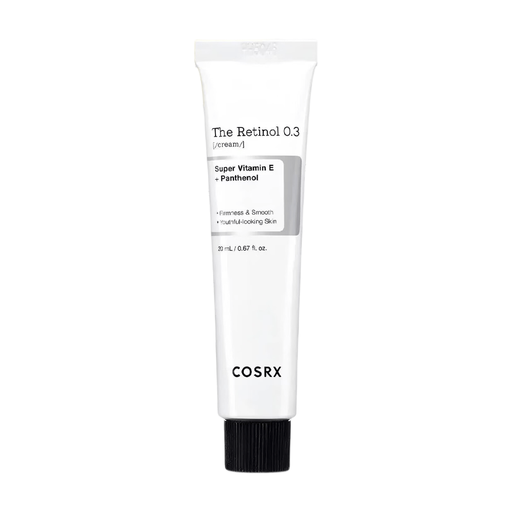
Why it suits this profile: This is a targeted anti-ageing cream for users who want to consciously add retinol to their evening routine and are prepared to introduce it gradually.
The product information states a retinol concentration of 0.3% and provides clear warnings about gradual introduction, sun cream and combining it with acids.
0.3% retinol; panthenol; hyaluronic acid; intended for evening use only.
A day cream can be particularly useful if you want a lighter texture under sun cream or make-up. A night cream can be richer, as rapid absorption is less important at that time. For example, a restorative night cream is suitable when you want to give your skin extra attention in the evening, focusing on comfort and moisture retention.
Apply the cream after cleansing and, if required, applying a serum. Start with a small amount and only add more if your skin needs it. Oily skin does not automatically mean you do not need a moisturiser; in that case, choose a thin layer or a gel cream instead.
We have compiled a complete, up-to-date list of products that fully meet these strict selection criteria and the applicable European safety regulations.
A small amount is usually enough for the face, often about the size of a pea. Spread the cream over your face and neck. The right amount depends on the texture and your skin type.
Yes, most hydrating face creams are designed for daily use. Check the product instructions. With active ingredients such as retinol, follow the recommended introduction process and use sun cream during the day.
Check the expiry date and PAO symbol on the packaging. Keep the cream closed, in a cool place and away from direct sunlight. A change in smell, colour or texture may be a reason to stop using the product.
