
Vandaag of morgen in huis

Kwaliteit gegarandeerd

Welkomstaanbiedingen ontgrendelen: GRATIS bezorging | Tot 80% korting | Gratis 30 dagen JoyPlus-proefperiode
Download de app
A face cream can feel lovely on the skin and still not be right for your skin type. A rich cream can feel heavy on oily skin, while a light gel cream may not provide enough comfort for dry skin. Terms like “barrier repair”, “soothing” and “brightening” only really mean something when you check the ingredients, texture and usage instructions.
In this buying guide, you’ll discover what to look for in a hydrating face cream, which pitfalls are often overlooked, and which products suit different skin profiles.
Words like “soothing”, “restorative” or “for sensitive skin” are no guarantee that a product will suit everyone. According to a brand’s own research, certain ingredients can contribute to hydration or a comfortable skin feel, but individual reactions vary.
So always check the full ingredients list. A cream with Centella Asiatica could be interesting if you’re looking for a soothing face cream, but also check for fragrance, essential oils and known allergens.
Niacinamide, panthenol, ceramides and hyaluronic acid often appear in Korean skincare. However, the presence of a single ingredient doesn’t determine the overall performance or texture. The combination with glycerine, oils, silicones, butters and emulsifiers influences how a product feels.
A niacinamide face cream can suit combination skin, while a formula with shea butter and oils may be more appropriate for dry skin. That’s not a fixed rule: always read the product information and take your own experience into account.
Even a product without alcohol or parabens can contain ingredients that don’t suit your skin. Dear, Klairs Rich Moist Soothing Cream, for example, contains essential oils including lemon, lavender, orange and eucalyptus oil. According to the product information, the formula may be suitable for sensitive skin, but the same information also lists potential fragrance allergens.
For reactive skin, it’s wise to do a small patch test on a limited area. Stop using the product if you experience persistent redness, itching, swelling or a burning sensation.
A non-greasy moisturiser isn’t automatically better. Dry skin may actually need a formula with emollients, oils or butters to reduce moisture loss.
For daily hydration, you’ll often see:
A product can contain several of these ingredients, but more active ingredients don’t automatically mean it’s a better fit. Keep your routine simple if your skin reacts quickly.
Don’t just compare the price of a pot or tube, but also the size: 30 ml, 50 ml, 60 ml, 75 ml and 80 g aren’t directly equivalent. A tube can be hygienic and practical for daily use. A pot requires more care when applying with clean hands.
Generally, apply a face cream as the last step of your skincare routine, after cleansing and any serum. During the day, also use a sun protection product according to the instructions on that product.
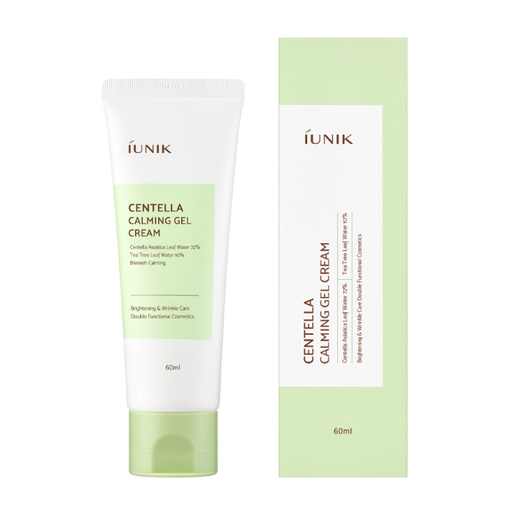
Why it fits this profile: The gel texture is easy to incorporate into a daily routine and, according to the product description, feels light and non-sticky. This makes the cream interesting for beginners with oily, combination or acne-prone skin.
The product information mentions quick absorption and a non-greasy finish. However, do check for yourself whether tea tree and the other ingredients suit your skin.
60 ml size; Centella Asiatica, niacinamide and tea tree according to the ingredients list; light gel cream.
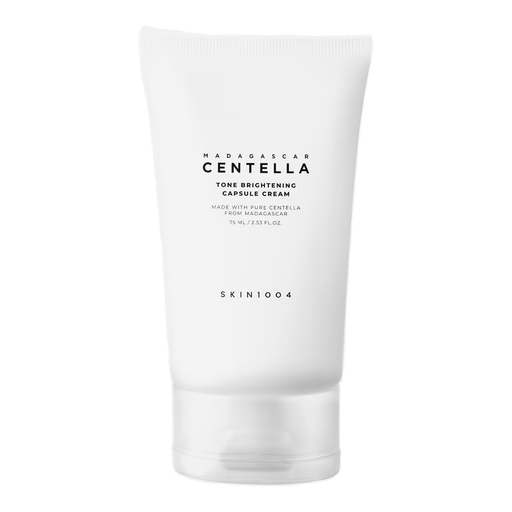
Why it fits this profile: According to the product details, this Korean face cream combines 60% Centella Asiatica extract with niacinamide, panthenol, madecassoside and sodium hyaluronate. The light texture suits anyone looking for multiple skincare goals in one product.
According to the product information, the formula is alcohol-free and fragrance-free. The claims about a more even complexion come from the brand description and should not be read as a guaranteed result.
75 ml; fragrance-free; contains Centella Asiatica, niacinamide, panthenol and hyaluronic acid.
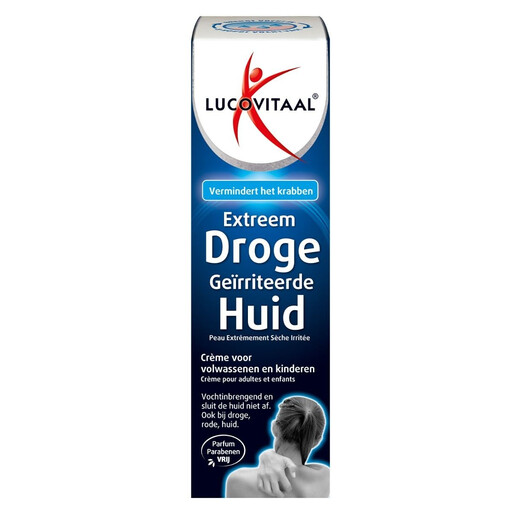
Why it fits this profile: According to the product information, this cream is intended for dry, irritated and chapped skin and can be applied two to three times a day. The formula includes glycerine, panthenol, allantoin, shea butter, ceramide NP and sodium hyaluronate.
The product information explicitly states that this is a non-medical product. For persistent or severe skin complaints, it’s wiser to seek advice from a doctor or pharmacist rather than keep switching products yourself.
50 ml; fragrance-free according to the product information; suitable for adults and children; contains panthenol and ceramide NP.
We’ve put together a full, up-to-date list of products that fully meet these strict selection criteria and comply with current European safety regulations.
That depends on the product instructions and your skin’s needs. Many moisturisers are used morning and evening after cleansing. For dry skin, an additional application during the day can be pleasant, but too much product can feel heavy.
Check the expiry information and batch number on the packaging. Store the cream in a cool, dry place away from direct sunlight and close the packaging properly. Has the smell, colour or texture changed? Then it’s best not to use the product anymore.
First, look for a short, clear ingredients list and check for fragrance and essential oils. A cream for sensitive skin may contain ingredients like panthenol, Centella Asiatica, glycerine or ceramides. Test a new product on a small area of skin first and stop if irritation occurs.
