
Vandaag of morgen in huis

Kwaliteit gegarandeerd

Welkomstaanbiedingen ontgrendelen: GRATIS bezorging | Tot 80% korting | Gratis 30 dagen JoyPlus-proefperiode
Download de app
A new face cream may seem easy to choose, but attractive packaging or a long ingredients list does not automatically mean a product is right for your skin. A cream for dry skin can feel too heavy on oily skin. A gel cream may feel pleasantly light, but not provide enough comfort if your skin quickly feels tight.
As a Joybuy Product Recommendation Officer, I filter product information according to practical features: skin type, texture, size, ingredients and area of use. This allows you to compare a moisturising face cream, Korean skincare and a moisturising body cream based on verifiable properties rather than advertising claims alone.
Centella Asiatica, niacinamide, hyaluronic acid and ceramides are often given a prominent place on the packaging. However, the presence of an ingredient does not tell the whole story. The concentration, the rest of the formula and your skin type all help determine how a product feels.
According to SKIN1004’s own research, for example, the Brightening Capsule Cream contains 60% Centella Asiatica extract, 4–4.9% niacinamide and 1.6–2% tranexamic acid. These are product specifications taken from the brand and product information, not a guarantee of a particular result for your skin.
A cream may be described as suitable for several skin types, but a rich formula feels different from a lightweight gel. If you are looking for a cream for oily skin, you will usually want one that absorbs quickly and leaves a non-greasy finish. For a cream for dry skin, a fuller texture, glycerine, oils, shea butter or ceramides may be more relevant.
“Calming” is not a guarantee for sensitive skin either. Check the ingredients list and test a new product on a small area of skin first. Stop using it if irritation occurs and follow the warnings on the packaging.
A moisturising body cream may be suitable for dry arms, legs and hands, but it is not automatically comfortable to use on the face. Body creams are often richer or fragranced. Always check the stated area of use. A hair cream, such as Dancoly Helichrysum Wakening Hydration Cream, is intended for dry hair and should not be included in a selection of facial skincare products.
Use this practical guide:
A niacinamide cream may be suitable if you are looking for a formula containing niacinamide to care for your skin and promote a more even-looking complexion. Centella Asiatica is often used in a calming face cream. Products containing ceramide NP, panthenol or beta-glucan are generally chosen to support the skin barrier.
Keep your expectations realistic. Claims such as “repairs the skin barrier”, “reduces redness” or “anti-acne cream” are not universal guarantees. According to iUNIK’s own research, the Beta Glucan 3x Barrier Cream has been clinically studied for hydration and skin barrier support; the percentages mentioned come from the brand’s communications and do not automatically apply to every user.
Do not compare the price alone: the size also matters. 50 ml, 75 ml, 100 ml or 200 ml can make a difference to the cost per use. A small 15 ml tube can be useful for trying a formula first or taking it with you.
Also check:
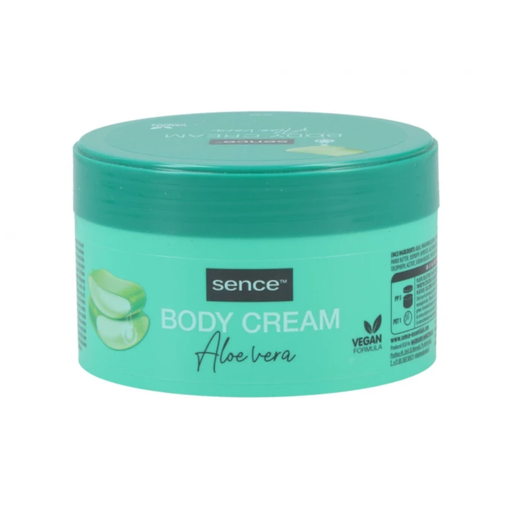
Why it suits this profile: A generous 200 ml size for daily body care, for example after showering.
The area of use is clearly stated as body cream, so you will not accidentally buy it as a face cream.
Aloe vera as the stated variant, a 200 ml size and a fresh fragrance according to the product description.
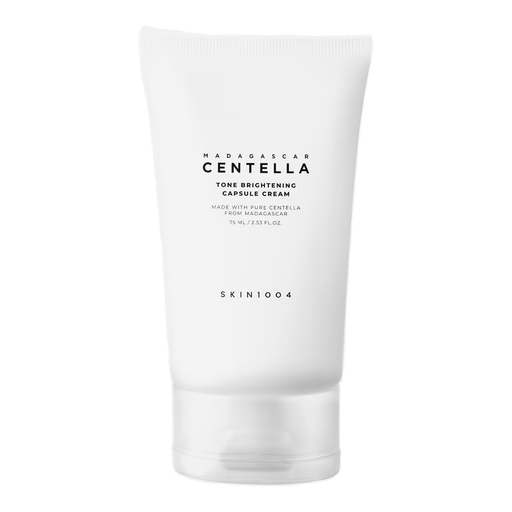
Why it suits this profile: A fragrance-free, vegan Korean face cream with a lightweight texture for shoppers who compare ingredients and product features carefully.
The product information lists specific percentages and excludes alcohol, fragrance and parabens, rather than relying only on a general skincare claim.
75 ml, Centella Asiatica, niacinamide, panthenol, vegan and fragrance-free according to the product specifications.
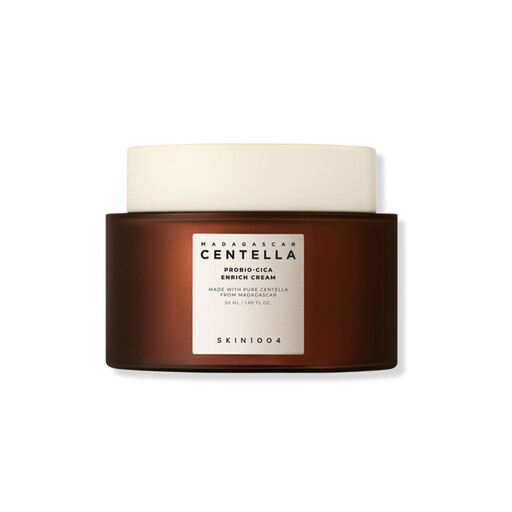
Why it suits this profile: A richer face cream for users focusing on dry or sensitive skin and barrier-focused care.
The formula lists ceramide NP, fermented Centella Asiatica, probiotics and seed oils; the texture is described as concentrated and silky.
50 ml, vegan and cruelty-free according to the product details; designed as the final step in your skincare routine.

Why it suits this profile: This lightweight gel cream is designed to hydrate without feeling heavy or greasy, which can be practical for shiny skin.
The texture and area of use are clearly described, so you will not expect a rich body cream from a facial product.
100 ml, gel texture, 44% Haenam Red Bean Extract according to the product description, and intended for oily skin.
Apply a suitable amount to cleansed skin. Cream is usually the final step in your routine, after a serum, for example. Pat or massage it in gently rather than rubbing hard. Use sun protection during the day as part of your routine; an ordinary face cream is not a substitute for sunscreen.
Start with one new product at a time. This makes it easier to assess which formula feels comfortable. Even with a fragrance-free face cream, check the full ingredients list, especially if you have reacted to cosmetics in the past.
We have put together a complete, up-to-date list of products that fully meet these strict selection criteria and the applicable European safety regulations.
It depends on your skin and the product. Many moisturisers are intended for daily use in the morning and evening. Follow the directions on the packaging and adjust the amount if your skin quickly feels greasy.
Check the shelf-life information on the packaging and the symbol indicating the period after opening. Store the cream somewhere cool and dry, away from direct sunlight. Has the scent, colour or texture changed? If so, stop using the product.
Look at the area of use, choose a short and straightforward ingredients list, and check for features such as fragrance-free or alcohol-free. A Centella Asiatica cream or formula containing panthenol may be appealing based on the product description, but always test a small amount first. If problems persist, it is wiser to seek advice from a doctor or pharmacist than to keep changing creams yourself.
