
Vandaag of morgen in huis

Kwaliteit gegarandeerd

Welkomstaanbiedingen ontgrendelen: GRATIS bezorging | Tot 80% korting | Gratis 30 dagen JoyPlus-proefperiode
Download de app
Buying a new face cream seems simple, until you have to choose between a Korean face cream, a hydrating face cream, a retinol cream or a firming face cream. Marketing copy often promises radiant skin, less visible wrinkles and a stronger skin barrier. However, a striking claim means little if the formula does not suit your skin type or routine.
So pay particular attention to the ingredients list, the concentration of active ingredients and how you use the cream. This helps you avoid spending money on a product that is too heavy, too irritating or simply unsuitable.
A retinol cream with a higher concentration may seem appealing when you are looking for an anti-ageing face cream or a cream for wrinkles. However, retinol can also dry out or irritate the skin, especially when you are just starting out. A formula with 0.1% retinol is often easier for beginners to manage than switching straight to 0.3%.
It is best to use retinol only in the evening, build up gradually and avoid combining it casually with several exfoliating products. During the day, sunscreen is important. If you are pregnant or breastfeeding, check the leaflet or consult a medical professional before using retinol.
A face cream for all skin types may be designed for a broad audience, but that does not mean every texture will feel comfortable. A rich cream with shea butter and oils may suit dry skin, while someone with oily or blemish-prone skin may prefer a lighter formula.
As well as the stated skin type, check the texture, fragrances and potentially irritating ingredients. If you have sensitive skin, patch-testing on a small area of skin is a sensible precaution.
According to a brand’s own research, ingredients such as peptides, vitamin C, bakuchiol or niacinamide may contribute to skin that looks firmer, more even or younger. This does not guarantee the same result for every user. Instead, look for verifiable information such as the product size, ingredients list, recommended frequency of use and warnings.
Niacinamide is often used in a niacinamide cream to support the skin barrier and promote a more even appearance. Hyaluronic acid helps the skin retain moisture at its surface. Ceramides are skin lipids that fit into a routine focused on restoring the skin barrier. Vitamin C is found in vitamin C creams and is generally chosen to help skin look more radiant.
Do check the complete formula, though. An ingredient’s position in the ingredients list gives an indication of its amount, but not always its exact concentration. With retinol or tranexamic acid, the concentration is sometimes clearly stated, such as 0.1% retinol or 2.5% tranexamic acid.
A 50 ml jar or pump bottle is common for a face cream. A 20 ml tube can be useful if you want to try an active formula first. Always check the expiry date and the period after opening on the packaging.
Usually apply the cream as the final step in your skincare routine. During the day, follow with sunscreen if the cream does not contain SPF. Stop using the product if you experience persistent redness, itching, swelling or a burning sensation, and follow the safety instructions on the packaging.
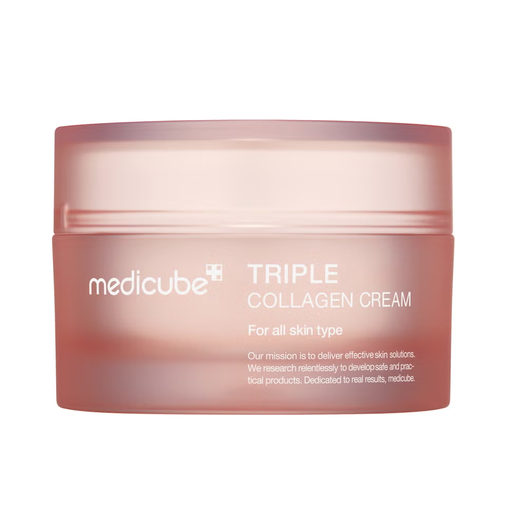
Why it suits this profile: According to the product description, this 50 ml cream combines collagen, hyaluronic acid, niacinamide and nourishing oils for a caring routine for dry, mature or normal skin.
The ingredients are listed clearly, allowing you to compare the formula with other firming face creams rather than judging only a promise of improved elasticity.
50 ml size; combination of collagen, hyaluronic acid and niacinamide; stated to be suitable for several skin types.
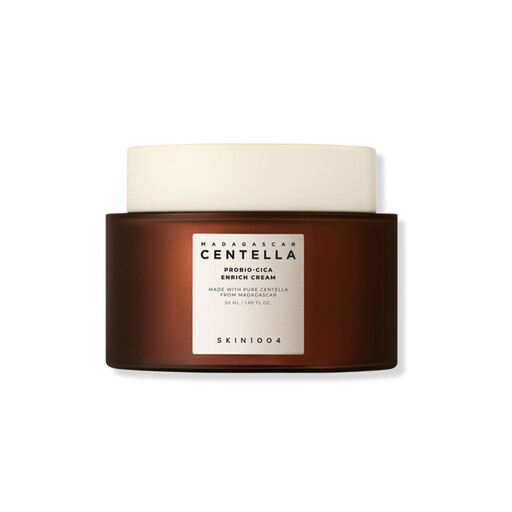
Why it suits this profile: According to the product description, the formula contains fermented Centella Asiatica, Ceramide NP, niacinamide and seed oils. This suits an intensive routine for dry or sensitive skin.
The product description lists both the key ingredients and its use as the final step. This makes it easier to assess whether the rich, silky texture suits your routine.
50 ml size; Ceramide NP and glycerine; according to the product information, dermatologically tested and suitable for all skin types, including sensitive skin.
We have put together a complete, up-to-date list of products that fully meet these strict selection criteria and the applicable European safety regulations.
Look for hydrating and barrier-supporting ingredients such as glycerine, hyaluronic acid, panthenol, ceramides, shea butter and oils. A cream for dry skin can have a richer texture. Apply the cream to slightly damp skin if that feels comfortable, and avoid using too many different active products at the same time.
You can usually use a regular hydrating face cream in the morning and evening, depending on the instructions on the packaging. With a retinol cream, however, start with a lower frequency, such as every other day or on a few evenings per week. When using retinol, apply sunscreen during the day and watch for signs of irritation.
This depends on the product size and the amount used each time. A 50 ml product will often last longer with daily use than a 20 ml pack, but the exact lifespan varies from person to person. Make a note of when you open a jar and follow the stated period after opening. This helps you use the formula within the recommended period.
