
Vandaag of morgen in huis

Kwaliteit gegarandeerd

Welkomstaanbiedingen ontgrendelen: GRATIS bezorging | Tot 80% korting | Gratis 30 dagen JoyPlus-proefperiode
Download de app
Buying a face cream may seem straightforward, but there is a huge range to choose from. One formula focuses on intensive hydration, another on mature skin, a dull complexion or sensitive skin. Marketing terms such as “radiance-boosting”, “lifting” and “72-hour hydration” do not, however, tell you everything about the formula or how easy it is to use.
With this practical guide, you can focus on verifiable product information, your skin’s needs and the texture. That way, you avoid paying for a promising claim when the cream does not suit your daily routine.
A brand may talk about firmer-looking skin, less visible lines or long-lasting hydration. That is not a universal guarantee. According to Estée Lauder’s own research, for example, participants reported firmer-looking skin and a hydrated feeling when using Revitalizing Supreme+ Youth Power Cream. These results come from the brand and may vary from person to person.
That is why you should also look at the ingredients, size and directions for use. A cream containing hyaluronic acid may help the skin retain moisture at its surface, but that does not automatically mean every skin type will respond in the same way.
A rich, nourishing face cream can feel pleasant on dry skin, particularly in the evening or during cold weather. For someone with combination skin, the same texture may feel heavy. A lightweight cream is often absorbed more quickly, but may provide less comfort when the skin feels tight or flaky.
So look out for terms such as rich cream, lightweight, non-greasy and fast-absorbing, but treat these as product descriptions rather than guaranteed outcomes.
“For all skin types” does not mean that every ingredient will feel comfortable for everyone. Check the full ingredients list for fragrance, plant extracts and known allergens. When trying a new cream, a patch test is advisable. Stop using it if irritation occurs and consult a doctor or pharmacist if symptoms persist.
For a hydrating face cream, glycerine, hyaluronic acid and panthenol are relevant ingredients to look out for. Glycerine and hyaluronic acid are widely used as moisture-binding ingredients. Ceramides, cholesterol and richer ingredients may be worth considering if your main priority is comfort and supporting the skin barrier.
If you are looking for a cream with niacinamide, consider Beauty of Joseon Dynasty Cream. The ingredients list includes niacinamide, sodium hyaluronate, panthenol and allantoin, among others. The product information also mentions rice extract, ginseng and propolis.
For an anti-ageing cream or a firming face cream, it is sensible to distinguish the claim from the formula itself. Look, for example, at hydrating ingredients, emollients and peptides. A cosmetic product may make the skin feel smoother or more supple, but it is not a substitute for medical treatment.
A day cream should work well with sun protection and, if applicable, make-up. A richer formula may be better suited to the final step of your evening routine. According to its product description, Hydrium Moisture Power Enriched Cream is recommended for use in the morning and evening and contains glycerine, panthenol, propolis extract and ceramide NP, among other ingredients.
Also check the recommended amount. Using more product does not automatically make a formula more effective. It may instead feel sticky or sit on the skin for longer.
Do not compare only the price of a jar or tube; the size matters too. 40 grams, 50 ml or 100 ml can make a difference. Check the expiry information on the packaging and, after opening, look for the period-after-opening symbol, such as 6M. Store your face cream according to the manufacturer’s instructions, usually somewhere cool and dry and away from direct sunlight.
A jar may be convenient for a rich formula, while a pump bottle can feel more hygienic for everyday use. SUPRÊME Pro-Age Fortifying Cream, for example, is available in a 50 ml pump bottle.
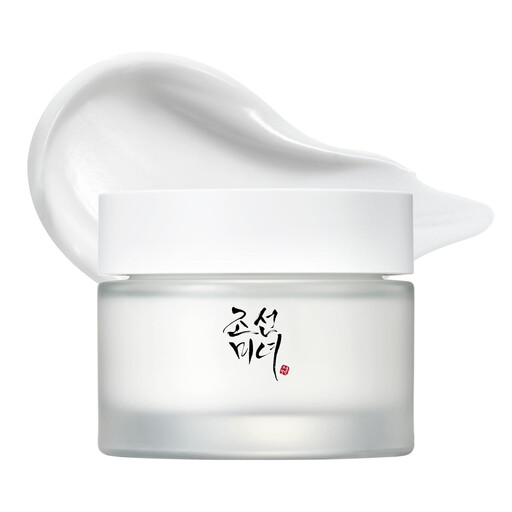
Why it suits this profile: This Korean skincare formula is a straightforward everyday cream for anyone looking to combine hydration with skincare.
The ingredients list is clearly provided and includes niacinamide, glycerine, panthenol and sodium hyaluronate, among others, so you do not have to rely solely on the marketing name.
50 ml, fragrance-free according to the product details and intended for unisex use.
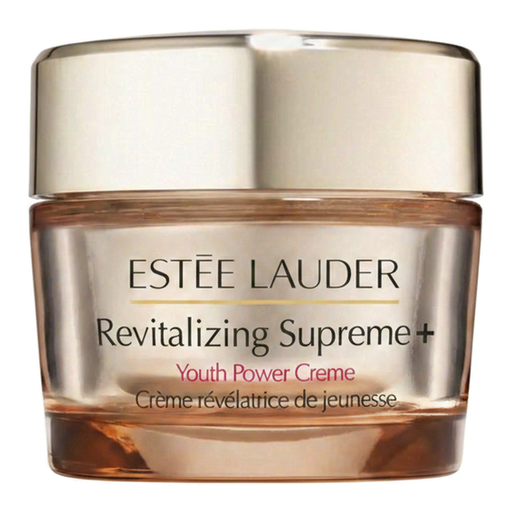
Why it suits this profile: The rich care and soft texture are well suited to shoppers looking for a luxurious anti-ageing cream for everyday use.
The product details specify the texture, area of application and size. The brand’s claims about firmness and hydration are not presented here as guaranteed results.
50 ml, with hyaluronic acid and cactus stem cell extract according to the product description; the brand states that it is quickly absorbed.
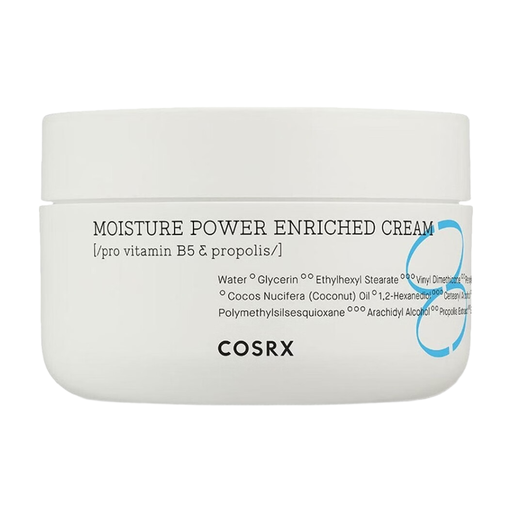
Why it suits this profile: This cream is designed for everyday use on dry and sensitive skin and fits into a routine that includes cleanser, toner or serum and sun protection.
The formula lists specific ingredients such as glycerine, panthenol, ceramide NP and propolis extract, rather than relying solely on a general comfort claim.
50 ml, with ceramide NP and hyaluronic acid according to the product information; the cream is described as rich but non-greasy.
If you have dry and sensitive skin, it is sensible to test the cream on a small area first. If you have mature skin, you may prefer a nourishing face cream with a richer texture, but take into account whether you prefer to use it during the day or at night.
We have compiled a complete, up-to-date list of products that fully meet these strict selection criteria and the applicable European safety regulations.
Look for hydrating and soothing ingredients such as glycerine, hyaluronic acid, panthenol, ceramides and shea butter. A richer texture may feel more comfortable than a gel cream. However, check that the formula does not contain any ingredients you are sensitive to.
Yes, most face creams are designed for daily use, but always follow the manufacturer’s instructions. Apply the cream after cleansing and use a separate sun protection product during the day if sun protection is not included in the formula.
Check the expiry date and the period-after-opening symbol on the packaging. Store the cream somewhere cool and dry and away from direct sunlight. A change in scent, colour or texture may be a reason to stop using the product.
