
Vandaag of morgen in huis

Kwaliteit gegarandeerd

Welkomstaanbiedingen ontgrendelen: GRATIS bezorging | Tot 80% korting | Gratis 30 dagen JoyPlus-proefperiode
Download de app
Finding a suitable face cream and body cream might seem straightforward, until you have to choose between a hydrating cream, moisturiser, gel cream or a richer body cream. A product can smell lovely, absorb quickly and still not suit your skin type or the time of day you intend to use it.
Pay particular attention to these common pitfalls:
A face cream for dry skin can feel richer than a gel cream for oily or combination skin. Dry skin often benefits from ingredients such as glycerine, oils, shea butter, squalane and hyaluronic acid. For oily skin, a light gel texture can be more practical, so the face feels less heavy or shiny.
If you’re looking for a cream for sensitive skin, it’s wise to check for fragrance, essential oils and a long ingredients list. Test a new product on a small patch of skin first. Stop if you experience a burning sensation, itching, swelling or persistent redness.
Don’t just compare the price; compare the volume too. A 400 ml pot is practical for body and hands, whereas 30 to 50 ml of face cream can be suitable for a specific routine. Check the expiry date and the period after opening, for example 6M or 12M. Store the cream according to the instructions, usually in a cool, dry place away from direct sunlight.
For daily use, a simple routine is often enough: cleanse, apply cream and use sun protection during the day if that fits your routine. Apply body cream after showering, when your skin isn’t completely dry yet. Hand cream can be reapplied after washing your hands or when your skin feels tight.
The selection below is based on verifiable product data such as volume, area of application, texture and listed ingredients. Brand promises about soothing, evening out or restoring are shown as product information, not as a guaranteed result.
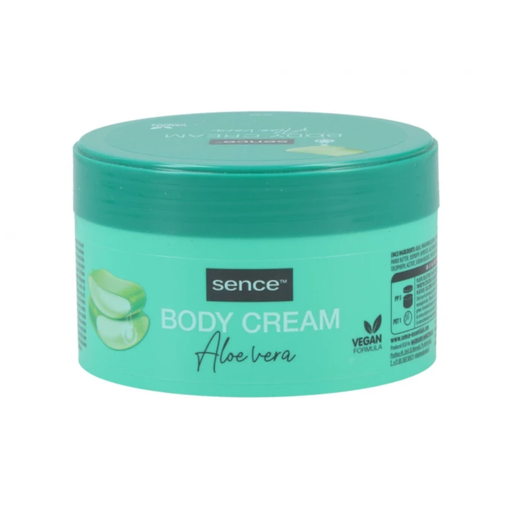
Why this fits the profile: A straightforward 200 ml body cream for daily use on the body, with aloe vera as the stated variant.
The product details clearly state the type, variant and volume. This means you don’t have to rely on the packaging alone.
200 ml volume; aloe vera and a refreshing scent are mentioned in the product description.

Why this fits the profile: For fans of Korean skincare who want a face cream with multiple moisture-binding ingredients.
The ingredients list makes the formula verifiable: it includes, among others, multiple forms of hyaluronic acid, panthenol and ceramide NP.
100 ml; gel-cream texture; contains hyaluronic acid, argan oil, apricot kernel oil and ceramide NP according to the product information.
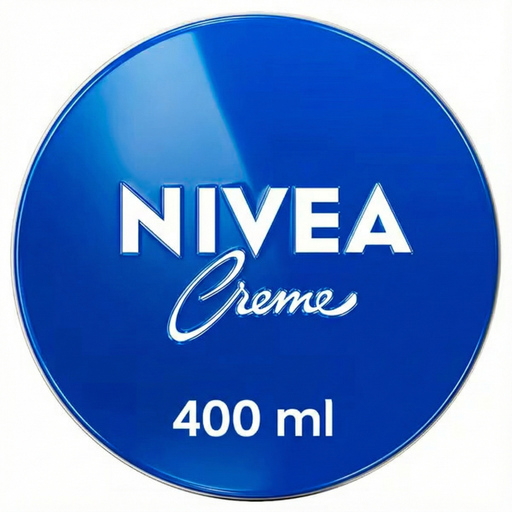
Why this fits the profile: The large volume is practical for anyone who wants to use one rich cream on the face, body or hands, depending on personal preference.
The application and skin types are specified, while the ingredients list also mentions fragrance and fragrance allergens. This makes checking beforehand easier.
400 ml; suitable for face and body according to the product details; contains glycerine and panthenol.
We’ve put together a full, up-to-date list of products that fully meet these strict selection criteria and comply with current European safety regulations.
That depends on the product information and your skin. A body cream can contain fragrance, a richer texture or ingredients that don’t feel pleasant on the face. So check the stated area of application. If you have sensitive or acne-prone skin, first use a small amount on a limited area.
This varies per product. Look on the packaging for the symbol with, for example, 6M or 12M. The shelf life information for the unopened product is also on the label. Has the smell, colour or texture changed? Stop using it, even if the stated period hasn’t passed yet.
Look for a combination of humectants and emollient ingredients, such as glycerine, hyaluronic acid, shea butter, oils or ceramides. Dry skin can benefit from a richer cream, whereas combination skin prefers a lighter moisturiser. Choose based on the ingredients list, your scent preference and how your own skin reacts.
