
Vandaag of morgen in huis

Kwaliteit gegarandeerd

Welkomstaanbiedingen ontgrendelen: GRATIS bezorging | Tot 80% korting | Gratis 30 dagen JoyPlus-proefperiode
Download de app
A face cream can make your skin feel more comfortable, but not every formula suits every skin need. A rich cream can feel pleasant on dry skin, while a gel texture may be better suited to combination or oily skin. Terms such as “anti-ageing”, “glow” and “intensive hydration” only mean something once you have checked the ingredients, directions for use and packaging.
The following pitfalls often lead you to pay more than necessary or buy a product you barely use.
Words such as “wrinkle-filling”, “brightening” or “barrier repair” often describe how a brand positions its product. For example, in Estée Lauder’s own research, participants reported firmer-looking skin and less visible wrinkles when using the Revitalizing Supreme+ Cream. This is not a guarantee for every skin type or every user.
So look for verifiable information:
An anti-wrinkle cream may temporarily make skin look smoother through moisture and emollient ingredients. That is not the same as a medical effect.
Retinol, vitamin C and niacinamide feature frequently in skincare searches. However, it is the complete formula that determines how a cream feels and how suitable it is for your routine.
For example, a retinol cream may be less suitable if you already use several other active products. With a vitamin C cream, stability, packaging and daytime use are important considerations. A niacinamide cream may suit an uneven complexion or weakened moisture barrier, but always check the full ingredients list if your skin is prone to reactions.
A body cream is not necessarily suitable for the face. Its texture, fragrances and concentration of humectants may be formulated differently. For example, the NIVEA Repair & Care Urea Body Cream is described as a product for very dry and rough skin on the body. If you are looking for a cream for dry skin to use on your face, choose a product whose area of application explicitly states “face” or “gezicht”.
Choose the texture based on how you use it every day:
A hydrating face cream often contains humectants such as glycerine or hyaluronic acid. These help attract moisture. Emollients and occlusive ingredients then help retain that moisture for longer.
Do not use several strong active ingredients at the same time without checking the product instructions. With retinol, it is important to introduce it gradually. advises using a small amount of its Retinol 0.1 Cream three times a week initially, then gradually adjusting the frequency according to your skin’s tolerance.
Vitamin C, acids and retinol can make the skin more sensitive to irritation or sunlight. Use sun protection during the day and stop using the product if irritation persists. A face cream does not replace sunscreen.
Check the following before buying:
A patch test on a small area of skin may be sensible if you have sensitive skin. Stop using the product if you experience itching, swelling or a burning sensation.
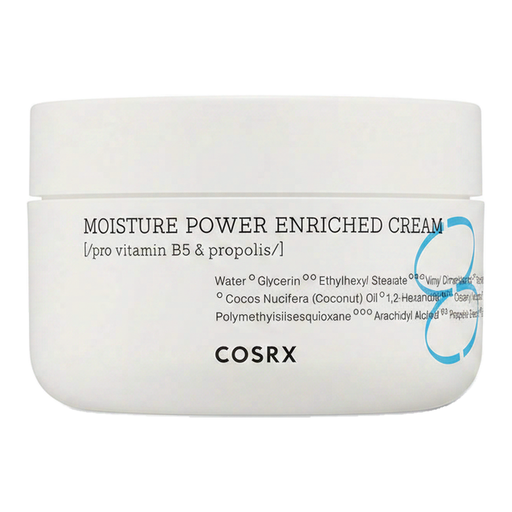
Why it suits this profile: This rich cream is designed for daily hydration and can be used as the final step in a simple routine.
The product description mentions hyaluronic acid and shea butter, so you can assess the formula based on specific ingredients rather than just a general glow promise.
50 g content; hyaluronic acid and shea butter; designed to be used as the final step in your skincare routine.
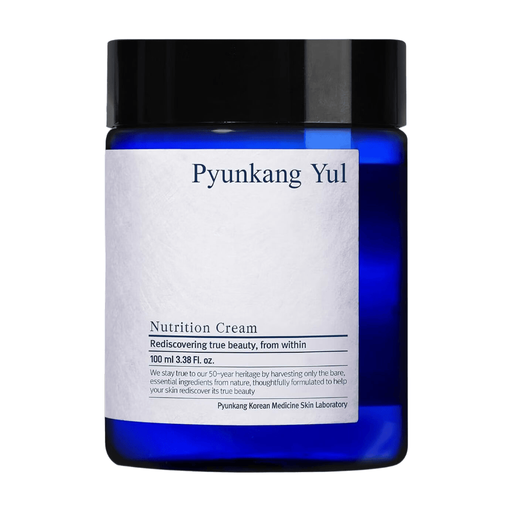
Why it suits this profile: According to the product description, this Korean skincare formula is rich and fragrance-free, making it suitable for anyone looking for a nourishing texture without added fragrance.
This selection is not based solely on an anti-ageing term: astragalus root extract, shea butter, jojoba oil and sodium hyaluronate are listed in the stated formula.
100 ml content; fragrance-free according to the product information; suitable as the final step in your morning and evening routines.
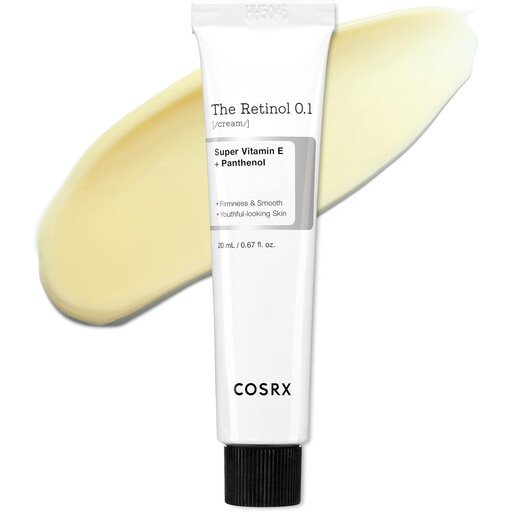
Why it suits this profile: The stated concentration of 0.1% retinol makes this product interesting for users who want to introduce retinol in a controlled way.
The directions recommend starting with a small amount and increasing use gradually. This helps prevent you from applying an active cream every day and in large quantities straight away.
0.1% retinol; 20 ml; instructions for gradual introduction; panthenol and vitamin E are mentioned in the product information.
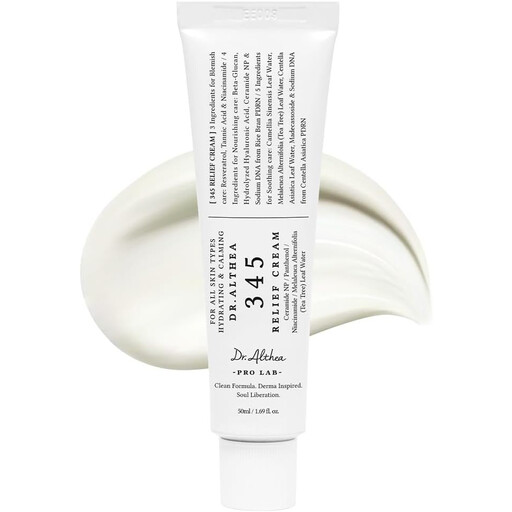
Why it suits this profile: The product information lists ceramide NP, hyaluronic acid, niacinamide and tea tree leaf water, with a lightweight texture and no artificial fragrance.
The formula was not selected solely based on a blemish claim: the listed ingredients and absence of artificial fragrance are selection points that can be checked in advance.
50 ml; ceramide NP and hyaluronic acid; vegan and free from artificial fragrance according to the product information.
We have put together a complete, up-to-date list of products that fully meet these strict selection criteria and the applicable European safety regulations.
That depends on the formula and your skin. You can usually apply a simple hydrating face cream morning and evening to cleansed skin. Also use sun protection during the day. If you are using retinol or exfoliating ingredients, follow the specific directions and introduce them gradually.
Check the expiry date and the period-after-opening symbol on the packaging. Store the cream in a cool, dry place away from direct sunlight. A change in smell, colour or texture may be a reason to stop using the product, even if the stated expiry date has not yet passed.
Look for a cream containing humectants and emollient ingredients such as glycerine, hyaluronic acid, panthenol, shea butter or ceramides. If your skin reacts easily, avoid products containing high levels of fragrance, essential oils or several strong active ingredients at the same time. Test a new cream on a small area of skin first and always check the current ingredients list on the packaging.
