
Vandaag of morgen in huis

Kwaliteit gegarandeerd

Welkomstaanbiedingen ontgrendelen: GRATIS bezorging | Tot 80% korting | Gratis 30 dagen JoyPlus-proefperiode
Download de app
A face cleanser may seem like a simple product, but there can be big differences in texture, ingredients and how you use it. A foaming face cleanser, for example, can feel thorough, while a facial cleansing gel often feels lighter. If you focus mainly on terms such as “pore-cleansing”, “hydrating” or “low pH”, you may end up paying for a promise without checking what the formula actually contains.
Look out for these three common pitfalls:
Choose a texture that suits your routine:
A cleanser for sensitive skin won’t automatically suit everyone with sensitive skin. Check for ingredients such as fragrance, essential oils and acids.
For dry skin, formulas containing glycerine, panthenol or other moisture-binding ingredients are often a good fit. The Neutrogena Hydro Boost Aqua Cleansing Gel lists glycerine and hyaluronic acid in its product description. According to the brand, the gel is designed to remove dirt and excess oil without leaving skin feeling dry. This is a brand claim, not a guarantee for every user.
For oily or combination skin, a lightweight gel or foaming formula can be a practical choice. If you’re looking for a cleanser for acne-prone skin or a cleanser with salicylic acid, check the concentration and warnings. Salicylic Acid Daily Gentle Cleanser lists 0,5% salicylic acid. The product information recommends a patch test and says to stop using it if irritation occurs. A cleanser is not a substitute for treatment of persistent skin problems.
A low pH cleanser is designed with an acidity level closer to the skin’s natural environment. However, the term alone doesn’t tell you how your skin will react. Check the surfactants and any fragrance ingredients too.
Use lukewarm water and massage without rubbing hard. Cleanse for no longer than necessary, then pat your skin dry. Stop using the product if you experience redness, stinging, itching or swelling. Always follow the instructions and warnings on the packaging.
The selection below is based on verifiable information from the product descriptions, such as texture, size, directions for use and listed ingredients.
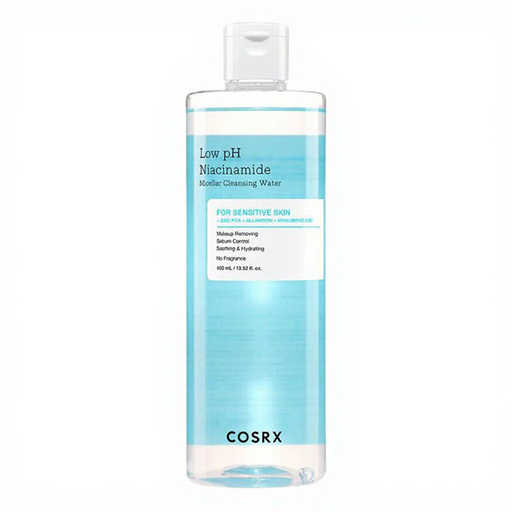
Why it suits this profile: The micellar formula is easy to use and the bottle contains 400 ml. This makes it a practical starting point if you don’t want an elaborate routine.
The product description mentions a low-pH formula and use without rinsing. Still, check that your skin remains comfortable when using micellar water every day.
400 ml; according to the product information, it contains niacinamide, panthenol and allantoin.

Why it suits this profile: This Korean gel cleanser is a good fit if you’re looking for a straightforward formula and a lightweight texture for everyday use.
The description mentions a gel texture and use with lukewarm water. Check the ingredients list yourself if you want to avoid fragrance or particular plant extracts.
100 ml; the ingredients list includes glycerine, green plum and mung bean extract.
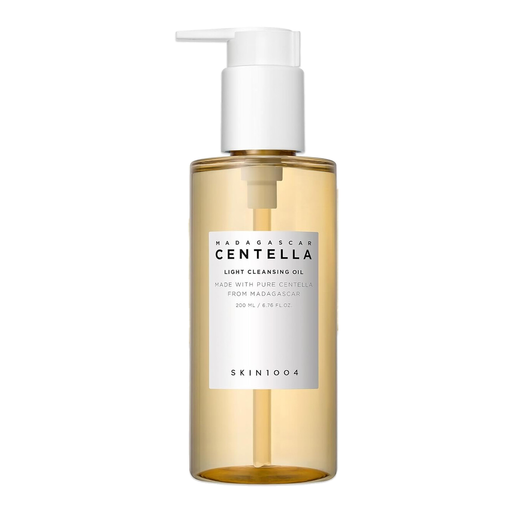
Why it suits this profile: If you wear make-up or sunscreen, you can use this oil as the first step in a double-cleansing routine.
The instructions say to apply to dry skin and rinse with lukewarm water. If needed, follow with a water-based cleanser to remove any oil residue.
200 ml; according to the product information, it is made with six plant oils and Centella extract.
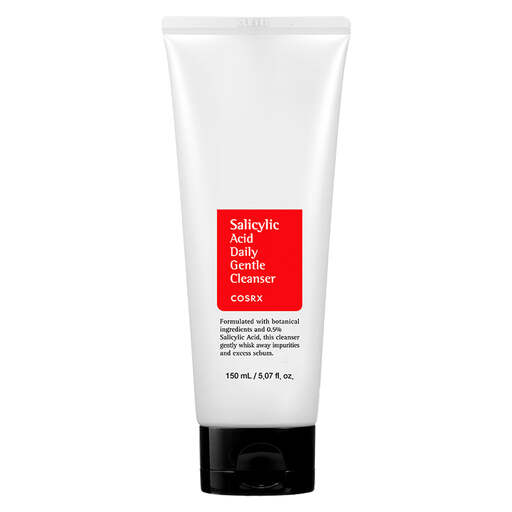
Why it suits this profile: This foaming face cleanser is aimed at users looking for a formula with a clearly stated acid, for oily, combination or acne-prone skin.
The product information states the concentration of 0,5% salicylic acid. That removes the guesswork, but makes a patch test especially important if you have sensitive skin.
150 ml; according to the ingredients list, it contains salicylic acid, tea tree oil and glycerine.
We’ve put together a complete, up-to-date list of products that meet these strict selection criteria and the applicable European safety regulations.
For most routines, cleansing in the morning and evening is enough, but it depends on your skin type and the products you use. If you wear make-up or sunscreen, or have been sweating a lot, cleansing in the evening may be more important. Dry or sensitive skin may react to cleansing too often or for too long.
With double cleansing, you first use a cleansing oil, cleansing balm or micellar water to loosen make-up and sunscreen. Then you follow with a water-based cleanser, such as a gel or foaming face cleanser. This method is especially practical if you’ve applied several layers of product; on a quiet day, one suitable cleanser is often enough.
Check the use-by date and the open-jar symbol on the packaging. Store the product in a cool, dry place away from direct sunlight. Has the smell, colour or texture changed? Don’t use it. The exact shelf life varies by formula and packaging.
