
Vandaag of morgen in huis

Kwaliteit gegarandeerd

Welkomstaanbiedingen ontgrendelen: GRATIS bezorging | Tot 80% korting | Gratis 30 dagen JoyPlus-proefperiode
Download de app
A face cleanser should remove make-up, sun cream, sebum and dirt without leaving your skin feeling tight after washing. But an expensive-looking bottle or a promising claim such as “pore control” doesn’t guarantee that a product is right for your skin. Use this practical guide to compare face cleansers by formula, use and skin type.
A cleanser that lathers well can feel refreshingly clean, but that doesn’t automatically mean it has cleansed your skin more effectively. A tight or dry feeling could mean that the formula is too stripping for your skin. If your skin is sensitive or dehydrated, a gentle face cleanser with a mild formula is often a more sensible place to start.
A pore cleanser can remove sebum and dirt from the skin’s surface, but a cleanser won’t make your pores disappear permanently. Look instead for information you can check, such as the texture, ingredients and directions for use. Claims about refined-looking skin or visible pores often come from the brand itself, so don’t treat them as guaranteed results.
Using a salicylic acid cleanser, scrub, exfoliant and acne treatment in the same routine can be too much for your skin. Start with one cleanser that suits your skin type. Only add other products afterwards, and stop if you experience redness, itching or irritation. A cleanser is also rinsed off shortly after use, so don’t expect it to have the same treatment effect as a product that stays on your skin.
Choose a texture based on what you want to remove:
For stubborn make-up or sun cream, double cleansing can be helpful: start with a cleansing oil, then use a water-based cleanser. On days when you’re not wearing make-up, one suitable face cleanser is usually enough.
If you’re looking for a cleanser for oily skin, consider a lightweight gel or foaming texture and ingredients such as salicylic acid. According to the product information, Salicylic Acid Daily Gentle Cleanser contains 0.5% salicylic acid. The brand positions this formula for combination, oily and acne-prone skin. It may be an option to consider with care, but patch test first and stop using it if you experience irritation.
If you’re looking for a cleanser for sensitive skin, it may be better to choose one with a short ingredients list, little or no fragrance, and mild cleansing agents. Fragrance and essential oils aren’t a problem for everyone, but they can cause sensitivity for some people. Always check the current packaging, as ingredients can change.
Low-pH formulas are often chosen because, according to the product description, they are suited to the skin’s natural acid mantle. The Low pH Good Morning Gel Cleanser is one example. The product information lists a gel texture, glycerine and tea tree oil.
Use lukewarm water and massage the cleanser in without rubbing hard. Avoid the eye area unless the packaging specifically says the product is suitable for it. Take extra care with products containing acids, scrub particles or essential oils. A face cleanser is not a substitute for medical advice if you have persistent or serious skin problems.
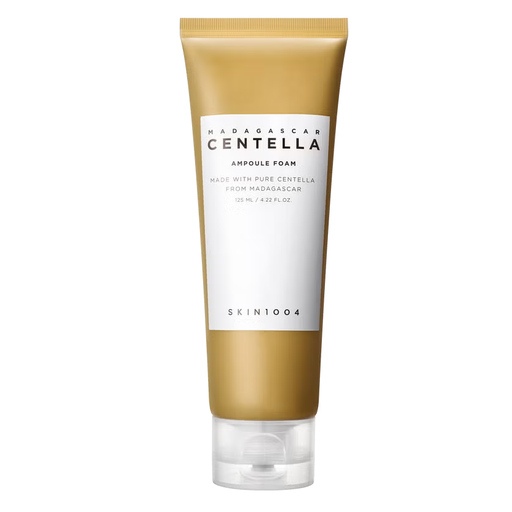
Why it suits this profile: A daily foaming cleanser with a pH of 5, described as low in the product information, and a vegan formula for different skin types.
The product information focuses on cleansing without leaving skin feeling tight or dry. This helps beginners look beyond how much a cleanser lathers.
125 ml, foaming texture, use with lukewarm water, and designed for morning and evening use.
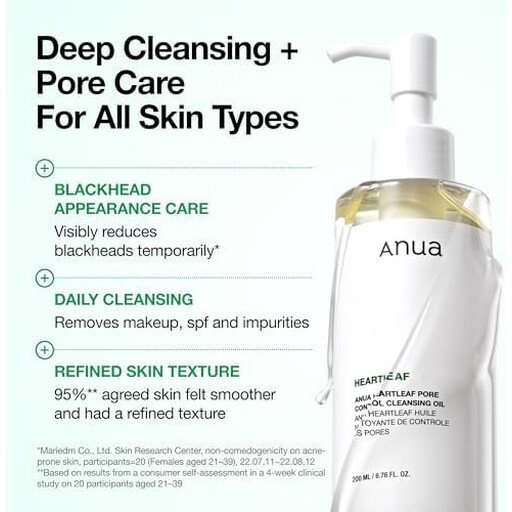
Why it suits this profile: For anyone who wants to loosen make-up, sun cream and sebum in the evening as the first step in a Korean skincare routine.
The directions say to emulsify the oil with water, then follow with a water-based cleanser. This helps ensure that oil residue isn’t left as the only step in your cleansing routine.
200 ml, oil formula, suitable as a first step and designed to dissolve make-up and sun cream.
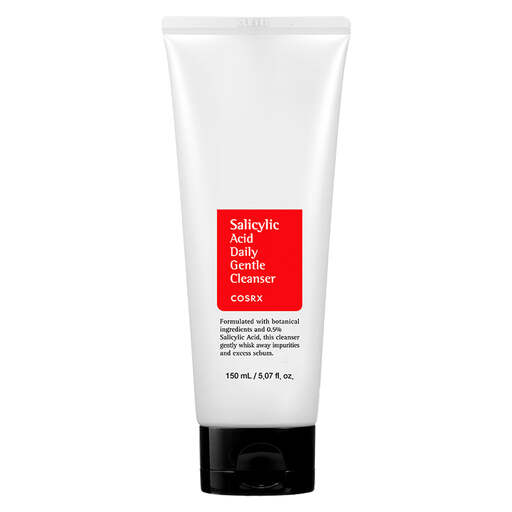
Why it suits this profile: For people specifically looking for a face cleanser for acne-prone, oily or combination skin, and who want to try salicylic acid.
The listed concentration of 0.5% salicylic acid makes it clear what you’re buying. Don’t combine it straight away with several other exfoliating products.
150 ml, 0.5% salicylic acid according to the product information, plus tea tree oil and willow bark water.
We’ve put together a complete, up-to-date list of products that all meet these strict selection criteria and the applicable European safety regulations.
For most routines, once in the evening is enough, especially for removing sun cream, make-up and sebum. Using it again in the morning may feel good if you have oily skin. If your skin feels dry or tight, use less product or choose a milder formula.
A cleanser can remove dirt, excess sebum and product residue, but it won’t automatically treat acne. A salicylic acid cleanser may suit oily or acne-prone skin, but check the ingredients and introduce it gradually. If your acne is painful, widespread or persistent, it’s a good idea to seek professional advice.
It depends on the size of the bottle, how much you use each time and whether you use the product once or twice a day. A 150 ml bottle will generally last longer with daily use if you use a small amount each time. Close the packaging properly and follow the expiry information on the label.
