
Vandaag of morgen in huis

Kwaliteit gegarandeerd

Welkomstaanbiedingen ontgrendelen: GRATIS bezorging | Tot 80% korting | Gratis 30 dagen JoyPlus-proefperiode
Download de app
A face cleanser may seem like a simple product: apply, rinse and you’re done. Yet many people in the Netherlands buy a cleanser that is too drying, does not suit their skin type or mainly sounds appealing because of its marketing claims. For example, a rich lather does not automatically mean that a product cleans better.
With this practical guide, you can compare foaming face cleansers, gels and other formulas based on ingredients, ease of use and product information. This helps you make a more informed choice, whether you’re looking for a gentle face cleanser, a cleanser for oily skin or a hydrating face cleanser.
A foaming face cleanser feels fresh and spreads easily. However, the amount of foam says little about whether it is suitable for your skin. Some strongly foaming formulas can leave your skin feeling tight after rinsing, particularly if you have dry or sensitive skin.
That’s why you should check the full ingredients list and consider how the product feels in use. A face cleanser should remove dirt, excess sebum and traces of skincare products without leaving your skin feeling tight for a prolonged period.
Terms such as ‘pore-cleansing’, ‘anti-acne’ and ‘balancing’ sound specific, but they do not guarantee a particular result for your skin. According to some brands’ product descriptions, ingredients such as salicylic acid, tea tree oil or clay are intended to provide a more thorough cleanse. This does not mean that a product treats a skin condition.
When choosing a face cleanser for acne-prone skin, focus on a formula that your skin tolerates well. Stop using it if you experience redness, a burning sensation or irritation. Discuss persistent skin problems with your GP or a dermatologist.
A Korean face cleanser or Japanese face cleanser may work well as part of a daily routine, but the country of origin alone does not determine product quality. Always check the contents, ingredients, warnings, directions for use and expiry information on the packaging.
Plant extracts and fragrances can also cause sensitivity in some users. So look beyond the front of the packaging.
A low-pH cleanser is often chosen by people looking for a gentler feel on the skin. For example, the brand’s product description mentions a low-pH formula. With other products, check whether the pH value is actually stated; a marketing name alone is not enough.
Also look at the cleansing agents, also known as surfactants. Cocamidopropyl betaine, coco-glucoside and sodium cocoyl glycinate are examples found in various formulas. The overall formulation and the way you use the product are more important than any one individual ingredient.
The products in this selection range from 100 ml to 200 ml or 190 g. A larger pack is not automatically better value: compare the price per 100 ml or 100 g and consider how much you need per wash.
Always check:
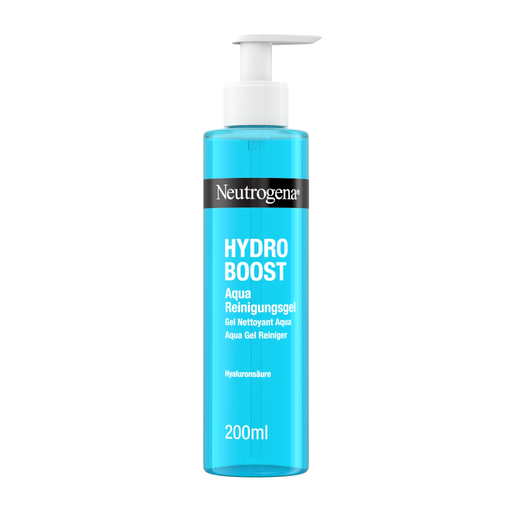
Why it suits this profile: The gel texture, 200 ml size and straightforward directions make this an easy-to-understand choice for anyone starting a daily face-cleansing routine.
The product description mentions glycerine and hyaluronic acid and positions the formula as oil-free. Check the packaging if you want to avoid fragrance or other ingredients.
200 ml size; gel that lathers with water; product description mentions glycerine and hyaluronic acid.

Why it suits this profile: A good fit for shoppers who value a gel texture, compact packaging and an ingredients list that includes plum water, glycerine and gentle cleansing agents.
This selection is based on the stated ingredients and directions for use, rather than solely on its Korean origin or caring marketing language.
100 ml tube; gel cleanser; product information mentions plum water, mung bean extract and glycerine.
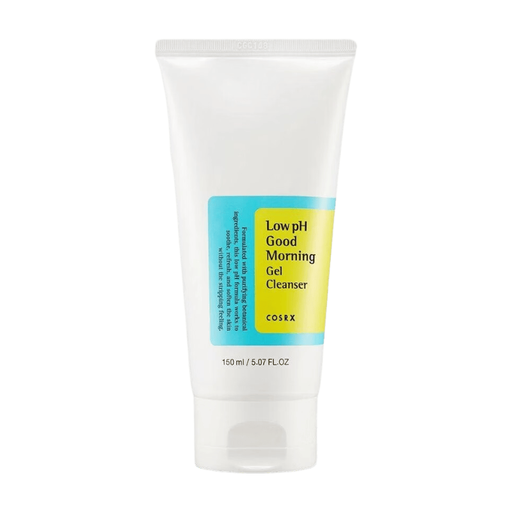
Why it suits this profile: The product description mentions a low pH and use in the morning and evening. This makes it suitable for users who are building their cleansing routine with care.
The low pH is a verifiable product specification. However, the tea tree oil and betaine salicylate mentioned call for extra care if you have sensitive skin.
150 ml size; gel texture; low pH according to the product description; intended to remove dirt and excess sebum.
We’ve put together a complete, up-to-date list of products that fully meet these strict selection criteria and the applicable European safety regulations.
If you’re wearing make-up or water-resistant sun protection, you may need to cleanse separately first. Cleansing excessively is not automatically better; for many people, one gentle cleanse at a time is sufficient.
This depends on your skin type, perspiration, make-up and sun protection. Many products are intended for morning and evening use, but sensitive or dry skin may benefit from cleansing less often or for a shorter time. In all cases, follow the label and pay attention to how your skin reacts.
Check the packaging for the expiry date, batch information and any period-after-opening symbol. Store the tube or pump bottle in a cool, dry place away from direct sunlight, and close the packaging properly after use. If the smell, colour or texture changes, stop using the product.
Don’t compare only the selling price; also consider the size and the amount needed per wash. A 200 ml pack may offer better value, while a compact tube can be more convenient for travelling. A small amount is sufficient for many foaming formulas, but the correct dosage is stated on the product label.
