
Vandaag of morgen in huis

Kwaliteit gegarandeerd

Welkomstaanbiedingen ontgrendelen: GRATIS bezorging | Tot 80% korting | Gratis 30 dagen JoyPlus-proefperiode
Download de app
A skincare product can look appealing thanks to phrases such as “intensive hydration”, “anti-ageing” or “visible results straight away”. But a marketing promise tells you little about whether a cream suits your skin, routine and needs. With face and body care, you may sometimes be paying mainly for the fragrance, packaging or eye-catching claim.
Here are three common pitfalls:
A broad promise without a clear use
A product for “all skin types” may be convenient, but it won’t necessarily suit very dry, sensitive or blemish-prone skin. Always check what it is designed for, as well as its texture and ingredients.
Results are presented too generally
Claims about reducing wrinkles or pigmentation, or providing long-lasting hydration, are often based on a specific test. According to NIVEA’s own research, for example, some hydration results are measured using instrumental tests or a limited group of participants. That does not guarantee that every user will have the same experience.
SPF is mistaken for complete sun protection
A day cream with SPF 20 or SPF 30 can be a practical addition to your routine, but the level of protection depends on how much you apply and whether you reapply it. For prolonged sun exposure, a separate facial sunscreen is often a more sensible choice.
Choose based on your needs, not the claim on the front of the pack. For dry skin, ingredients such as glycerine, shea butter, hyaluronic acid, panthenol and certain oils may be worth looking for. For sensitive skin, a short ingredient list without fragrance may be more practical. Also look out for alcohol and fragrances if your skin reacts easily.
A rich cream is often better suited to evening use or dry areas of the body. A light gel cream or primer may feel more comfortable under make-up. For hands and feet, a thicker formula is usually more useful than a thin lotion.
Check the full ingredients list and the product volume. A 40 ml product may seem more expensive or better value than a 50 ml pot, depending on how you use it. So compare the amount and the recommended use.
Examples:
SPF is a verifiable product specification, but it isn’t the only thing to consider. NIVEA SUN Face Luminous Anti-Spot lists SPF 50+; Isdin UREADIN lists SPF 20 and L’Oréal Paris Revitalift lists SPF 30. These products therefore offer different levels of protection.
Also check the shelf-life information on the packaging. Some products have a period-after-opening symbol, such as 12M. Don’t store creams in direct sunlight or somewhere warm for long periods. Stop using a product if redness, itching or irritation persists, and follow the safety information on the label.
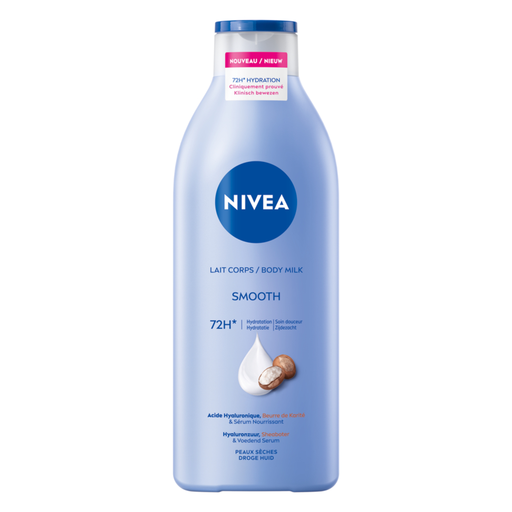
Why it suits this profile: The 400 ml pack is ideal for regular use on larger areas of the body and suits a simple daily routine for dry skin.
The volume and intended use are clearly stated. NIVEA’s own research refers to up to 72 hours of hydration; check the packaging and try it for yourself to see if the texture suits you.
400 ml, with glycerine, shea butter and sodium hyaluronate; designed for everyday use on the body.
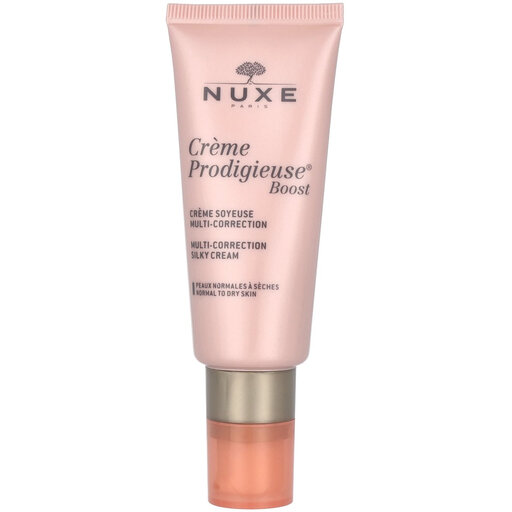
Why it suits this profile: This light cream is designed for the face and neck, for use in the morning and/or evening. The tube is practical if you want to use a skincare formula alongside your make-up.
The product information does not list an SPF. This makes it clear that you’ll need a separate product for sun protection.
40 ml, silky-smooth texture, suitable for all skin types according to the product description, and described as dermatologically tested.
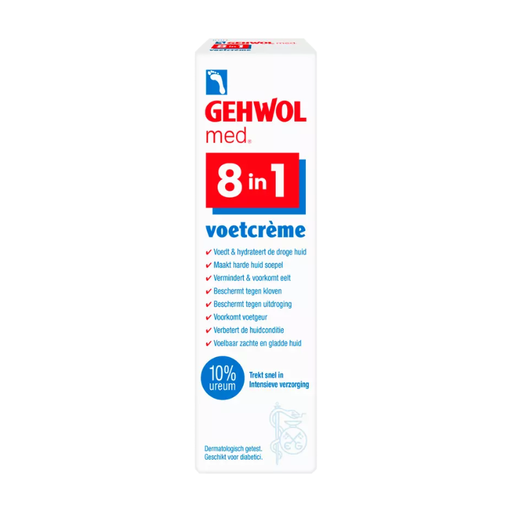
Why it suits this profile: This foot cream is designed for dry, rough feet and everyday use. Its formula includes ingredients such as urea, avocado oil and glycerine.
This isn’t a general body lotion, but a foot-care product with clear precautions. Do not use on damaged or infected skin.
75 ml, contains urea and is classified as a Class I medical device; follow the instructions for use and safety information on the packaging.
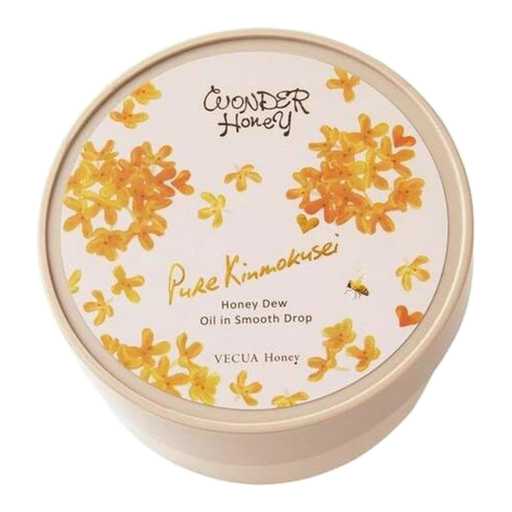
Why it suits this profile: According to the product description, the gel-serum formula is designed for the face, hands, body and hair. It could suit anyone who wants to keep fewer separate products on hand.
Its versatility is clearly described, including use after cleansing or bathing. Still, check in advance whether fragrances and oils suit your skin.
110 g, gel texture and ingredients such as argan oil, orange peel oil, pomegranate seed oil and sodium hyaluronate.
We’ve put together a complete, up-to-date list of products that meet these strict selection criteria and the applicable European safety regulations.
Start by cleansing, then apply a moisturising face cream and finish your morning routine with a product that has a suitable SPF. In the evening, you can use a richer cream. For your body, applying body lotion after a shower is often enough. Add an anti-wrinkle cream, anti-pigmentation cream, primer or hair cream only if it meets a specific need.
Check the packaging for the expiry date and the period-after-opening symbol. A product marked “12M” is generally intended to be used for twelve months after opening, unless the label says otherwise. A change in smell, colour or texture may be a reason to stop using the product.
No. Price doesn’t tell you how well a product will suit your skin. Compare the ingredients, volume, SPF, intended use and cost per use. A large bottle of body lotion can be good value for everyday use, while a smaller face cream may be a better fit for a particular skin type or time of day.
