
Vandaag of morgen in huis

Kwaliteit gegarandeerd

Welkomstaanbiedingen ontgrendelen: GRATIS bezorging | Tot 80% korting | Gratis 30 dagen JoyPlus-proefperiode
Download de app
A tight feeling, flaky patches or skin that reacts easily: a face barrier cream can be a practical addition to your daily routine. However, not every hydrating face cream is automatically suitable for dry, sensitive, combination or blemish-prone skin.
Marketing terms such as “intensive repair” or “suitable for all skin types” do not always tell you how a cream will feel on your skin. So check the ingredients list, texture and instructions for use first.
A cream containing lots of active ingredients may seem appealing, but more ingredients do not automatically mean greater comfort. Sensitive skin may be particularly likely to react to fragrance, essential oils or several botanical extracts used together. So check whether the formula is fragrance-free if your skin quickly feels red or irritated.
Ceramides, panthenol and hyaluronic acid are often highlighted on the packaging. However, their presence does not tell you everything about the overall formula. For example, a cream with ceramides may feel rich and nourishing, while a gel cream with hyaluronic acid may feel lighter. The combination of hydrating ingredients, barrier-supporting ingredients and a suitable texture matters more than any single ingredient.
Claims about soothing, repairing, redness or blemish-prone skin are not a personal guarantee. When a brand refers to a test or study, you should treat this as information from the manufacturer. For example, according to the product description, iUNIK reports results from clinical tests; this information comes from the brand and is not a guarantee for your skin.
Stop using the product if you experience persistent irritation, swelling or a burning sensation. A cosmetic cream is not a substitute for medical assessment.
Ceramides are lipids that occur naturally in the skin. In a cream containing ceramides, they can help the skin feel more comfortable and retain moisture. Also look for ingredients such as squalane, shea butter, lecithin and fatty acids. These often give a formula a richer, protective texture.
For dry skin or a tight feeling, a richer moisturiser for dry skin may feel comfortable. If you have combination or oily skin, choose a lighter cream that does not leave a heavy layer behind.
Glycerine and hyaluronic acid help attract moisture and are commonly used ingredients in a hyaluronic acid cream. Hyaluronic acid comes in various forms, such as sodium hyaluronate and hydrolyzed hyaluronic acid. The concentration and the rest of the formula also influence how the product feels.
Apply a hydrating face cream after cleansing, optionally over a serum or essence. During the day, finish with sun protection. A moisturising cream will usually feel more comfortable when your routine does not contain too many potentially irritating products.
A fragrance-free face cream is a sensible choice when fragrance does not agree with your skin. Also look out for essential oils, such as lavender, bergamot or citrus oil. “Natural” does not automatically mean that an ingredient will be gentle for everyone.
For a soothing cream for sensitive skin, simple formulas containing ingredients such as panthenol, centella asiatica, allantoin or ceramides are often worth considering. Always check the current ingredients list on the packaging, as formulas can change.
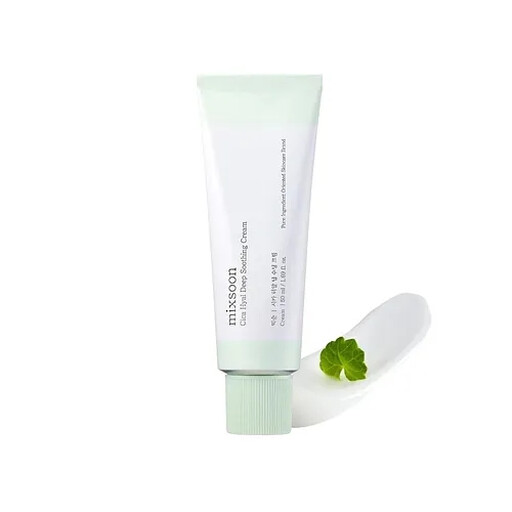
Why it suits this profile: This Korean skincare cream combines panthenol, centella asiatica, allantoin, ceramide NP and several forms of hyaluronic acid in one 50 ml product. This makes it a straightforward choice for anyone looking to build a simple routine.
The ingredients list shows the key hydrating and barrier-supporting ingredients, so you do not have to rely on a marketing term alone.
50 ml; panthenol, ceramide NP, centella asiatica and various forms of hyaluronic acid in the formula.
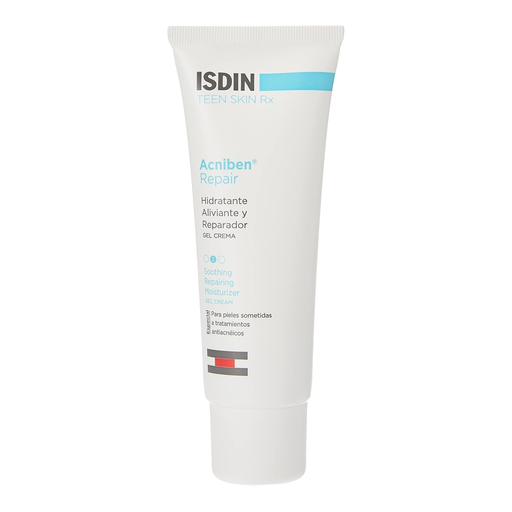
Why it suits this profile: According to the product information, this gel cream is intended for sensitive, blemish-prone skin and contains hyaluronic acid. The fragrance-free formula and lightweight texture may suit users who do not want a rich cream.
The product details explicitly mention “fragrance-free” and a gel cream texture. This makes it easier to assess whether the product suits your preference for lightweight, unperfumed skincare.
40 ml; fragrance-free gel cream; hyaluronic acid; product details mention a target audience with blemish-prone and sensitive skin.
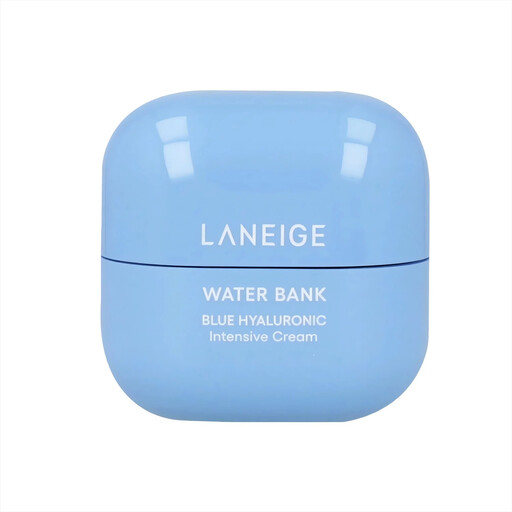
Why it suits this profile: The product description refers to an intensely hydrating cream with hyaluronic acid, intended for daily use and various skin types. The manufacturer describes the texture as lightweight yet nourishing.
The product information mentions both its moisturising function and its use under make-up or sun protection. Always check the packaging to ensure that the current formulation suits your preferences.
50 ml; hyaluronic acid mentioned in the product description; intended for daily use and use under make-up or SPF.
We have put together a complete, up-to-date list of products that fully meet these strict selection criteria and the applicable European safety regulations.
Start with a small amount on cleansed skin. If you use several products, apply a thin serum or essence first and use the cream as the final step. Follow with sun protection during the day. If you have sensitive skin, it is sensible to try a new product on a small area of skin first.
Do not introduce several new active products at the same time. This makes it easier to assess which product feels comfortable and which formula may be causing irritation. Store the cream according to the instructions, and check the expiry information and period after opening on the packaging.
That depends on the complete formula and how your skin reacts. A lightweight, fragrance-free gel cream may feel more comfortable than a heavy cream. Look out for product claims such as “non-comedogenic”: according to the ACM, such claims must be verifiable, but they are not a personal guarantee. Stop using the product if irritation occurs and seek advice from a doctor or dermatologist if symptoms persist.
Yes, these ingredients are often found together in a moisturiser. Hyaluronic acid is mainly used in hydrating formulas, while ceramides are suited to products that support the skin barrier. Apply the cream as the final step in your skincare routine, unless the instructions say otherwise.
Check the expiry date, batch information and the symbol indicating the period after opening on the packaging. Close the packaging after use and store it somewhere cool and dry, away from direct sunlight. Has the scent, colour or texture changed? Do not continue using the product.
