
Vandaag of morgen in huis

Kwaliteit gegarandeerd

Welkomstaanbiedingen ontgrendelen: GRATIS bezorging | Tot 80% korting | Gratis 30 dagen JoyPlus-proefperiode
Download de app
A face mask or hair mask may seem like a simple purchase, but the differences between products can be significant. Some masks are designed for a quick refresh, while other formulas need to be left on for several hours. An appealing ingredients list does not automatically mean that a product will suit your skin or hair.
The following pitfalls are common:
Start by deciding what result you want, then look at the formula. For a hydrating face mask, relevant ingredients to check include glycerine, hyaluronic acid and panthenol. A soothing face mask often contains centella asiatica, also known as cica, allantoin or liquorice root.
A centella asiatica mask may suit skin that feels tight or needs a simple skincare step. Luvum’s product description mentions centella asiatica, hyaluronic acid and glycerine. According to the product information, the gel texture is designed to fit closely against the skin.
For a collagen mask or anti-ageing face mask, it is important not to confuse cosmetic claims with medical effects. Ingredients such as collagen, adenosine, niacinamide or retinol are mainly used in formulas aimed at smoother-looking, firmer-looking or hydrated skin. The eventual result varies from person to person.
A sheet mask is usually designed for single use and is often left on for 10 to 20 minutes. A hydrogel mask generally fits closely to the face and can offer a different wearing experience from a fibre mask. Always check whether the mask comes in two parts, how it should be applied and whether it should be thrown away after use.
Extra care is needed with retinol. SOME BY MI’s product information states that it contains 0.1% retinol, retinal and bakuchiol. According to the brand’s usage warning, retinol can increase sensitivity to sunlight. Use sun protection during the day and follow the instructions on the packaging. If you are pregnant or breastfeeding, the product information advises consulting a healthcare professional.
For hair masks, the net contents, packaging and recommended frequency are important. A 25 ml sachet is convenient for trying a product or taking it with you. A 180 g or 430 ml tub is more suitable if you want to use a repairing hair mask regularly.
Apply a mask for damaged hair mainly to the lengths and ends, rather than automatically applying it to the scalp. For a frizz-control hair mask, smoothing ingredients such as silicones, oils or conditioning agents are often relevant. If you have fine hair, use a small amount and rinse thoroughly. Dry, coloured or chemically treated hair may benefit from a richer formula.
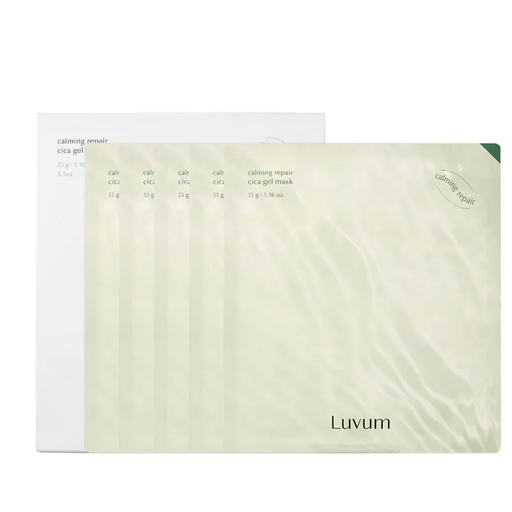
Why it suits this profile: The pack of 5 gel masks offers an accessible introduction to a cica formula. According to the product description, the mask is intended to be used for 15–20 minutes, two to three times a week.
The ingredients and quantity are clearly stated, so you do not have to rely solely on a general claim such as “calming”.
5 gel masks per box; centella asiatica, hyaluronic acid and glycerine are mentioned in the product information.

Why it suits this profile: This hydrogel mask is aimed at users looking for an intensive skincare step with a longer wearing time. The product information mentions hyaluronic acid, panthenol and ceramides.
The instructions state that it should be worn for 3–4 hours during the day or overnight. This makes the required time clear from the outset.
4 masks per pack; multiple forms of hyaluronic acid and ceramides are listed among the ingredients.
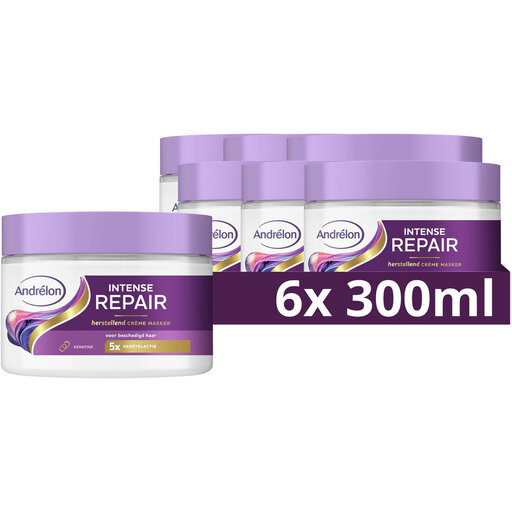
Why it suits this profile: This multipack is designed for anyone who regularly uses a hair mask on dry, damaged or frizzy hair. According to the product description, the recommended leave-on time is approximately 4–5 minutes.
The packaging, contents per item and usage time are clearly stated. This helps you estimate your stock levels and consumption more accurately.
6 packs of 300 ml; formula with keratin according to the product description.
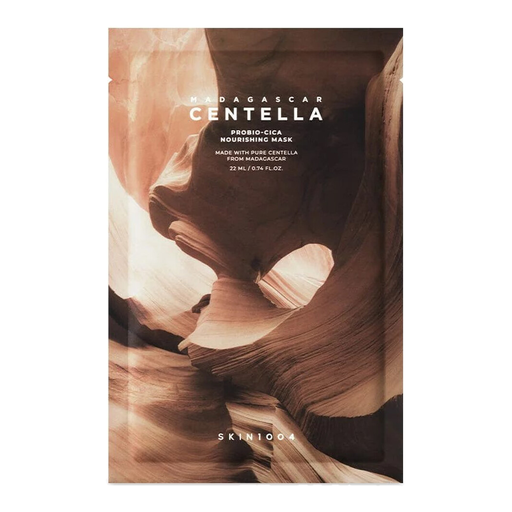
Why it suits this profile: These sheet masks combine fermented centella asiatica, ceramide and a peptide complex. They are a good fit for anyone looking for a skincare routine featuring several active ingredients.
The ingredients list shows which substances are present alongside centella. This allows you to compare the formula with your existing routine.
5 sheets of 23 ml; ceramide, panthenol and centella asiatica are listed in the product details.
We have put together a complete, up-to-date list of products that fully meet these strict selection criteria and the applicable European safety regulations.
That depends on the formula. Many sheet masks are used once or a few times a week. Some products are suitable for daily use according to the packaging, while a retinol face mask requires a more cautious introduction. Always follow the product instructions and stop using it if irritation occurs.
The recommended time varies by product. An intensive hair mask may be rinsed out after just 4–5 minutes; other formulas recommend 5–10 minutes. Leaving it on for longer is not always necessary and can make fine hair feel heavy.
A sheet mask is usually made from a fibre-based sheet soaked in essence. A hydrogel mask has a gel structure that can fit closely to the skin. As well as the material, look at the ingredients, amount of essence, wearing time and warnings. These are more practical points of comparison than the mask type’s name alone.
