
Vandaag of morgen in huis

Kwaliteit gegarandeerd

Welkomstaanbiedingen ontgrendelen: GRATIS bezorging | Tot 80% korting | Gratis 30 dagen JoyPlus-proefperiode
Download de app
A face and body cream might seem like a simple purchase, but the options vary widely in texture, ingredients, size and area of use. A cream that feels lovely on dry elbows can feel heavy on oilier facial skin. Even well-known beauty brands and Korean skincare use claims that don't always tell you much about your daily routine.
So watch out for these common pitfalls:
A gel cream or lightweight moisturiser usually absorbs quickly and can be pleasant for oily or combination skin. A richer face cream with oils, shea butter or occlusive ingredients often feels more comfortable on dry skin.
For the body, a lotion is practical when you want to get dressed quickly. A body cream with a fuller texture suits dry areas like knees, hands and elbows better. If you're using the same cream for face and body, check that the product is explicitly intended for both areas.
Look out for ingredients that help retain moisture, such as glycerine, betaine and different forms of hyaluronic acid. To support the skin barrier, ingredients like ceramides, cholesterol, panthenol and fatty acids are relevant in the product formula.
A cream for sensitive skin isn't automatically suitable for everyone. Fragrance, alcohol, essential oils and certain fragrance allergens can be less pleasant for some users. NIVEA Moisturizing Cream in the blue tin, for example, contains fragrance and listed allergens such as limonene and geraniol. That makes the ingredients list important if you react sensitively.
Compare the size with how you'll use it. A 30 ml pot is handy for travel or trying out first, while 400 ml can be more economical for daily use on the body. On opened products, look for the symbol indicating the period after opening, such as 6M or 12M, and always follow the date and instructions on the packaging.
Apply a new cream to a small area of skin first. If you experience persistent redness, itching, swelling or a burning sensation, stop using it and, if in doubt, ask a doctor or pharmacist for advice. Cosmetics are intended for external use only and do not replace medical treatment.
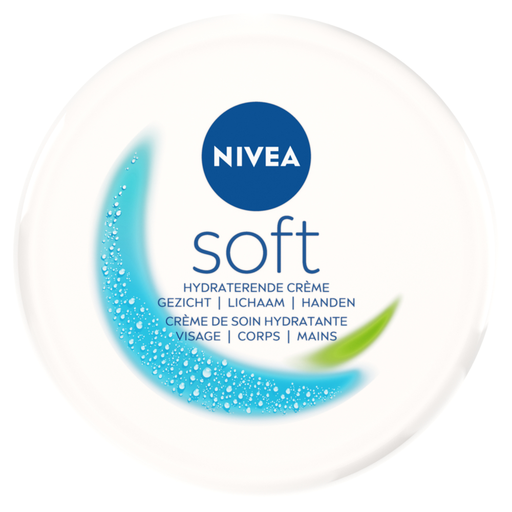
Why this fits the profile: An accessible cream for face, hands and body. The light formula with jojoba oil and vitamin E is practical for daily use.
The product description clearly states the areas of use and the texture. Do check the fragrance and fragrance allergens if your skin is sensitive.
200 ml; suitable for face and body; according to the product description, it absorbs quickly.

Why this fits the profile: The oil-free gel cream is designed for dry, combination and oily skin types and can also be used under make-up.
The specifications mention the formula, size and the absence of fragrance. The claim of up to 100 hours of hydration is according to the brand's product description.
75 ml; oil-free gel cream; according to the product information, it is alcohol-free, fragrance-free and paraben-free.

Why this fits the profile: The light gel texture is designed to feel less heavy and suits combination or oily skin.
The product description specifies the gel structure and the area of use. Don't expect a rich body cream: this is a facial product for the face and neck.
100 ml; light gel cream; product description mentions 44% red bean extract and a peptide complex.
We've put together a full, up-to-date list of products that fully meet these strict selection criteria and comply with current European safety regulations.
Choose a formula with moisturising ingredients like glycerine and hyaluronic acid, supplemented with emollient or occlusive components. For very dry skin, a richer cream may be more comfortable than a watery gel. Apply the cream to slightly damp skin to reduce any tight feeling.
That depends on the product information and the ingredients. A body cream can be richer and contain fragrance, whereas a face cream is more often tailored to the skin on your face. So check the stated area of use and test a small amount first.
Follow the symbol and instructions on the packaging. Some products need to be used within 6 months, others within 12 months. Store the cream closed, in a cool place and out of direct sunlight. Has the smell, colour or texture changed? It's best not to use the product any more.
