
Vandaag of morgen in huis

Kwaliteit gegarandeerd

Welkomstaanbiedingen ontgrendelen: GRATIS bezorging | Tot 80% korting | Gratis 30 dagen JoyPlus-proefperiode
Download de app
A pot of face and body cream seems simple enough to choose – until you have to compare a moisturising cream, day cream, night cream, body cream and cream for dry skin. Marketing copy often focuses on a radiant complexion, firming or long-lasting hydration. Yet a striking claim doesn’t always tell you enough about the ingredients, how to use it, or whether it’s right for your skin.
A cream with SPF can be handy for daily use, but the protection factor only works if you apply enough and reapply regularly. A day cream with SPF 15 or SPF 30 isn’t automatically suitable for prolonged exposure to strong sunlight. Also check whether the packaging mentions protection against both UVA and UVB rays.
Niacinamide, vitamin C, fruit acids and Q10 often appear in products that promise a more even or firmer skin. However, the presence of an ingredient doesn’t tell you everything. A cream with vitamin C, for example, can be pleasant for normal skin, whereas sensitive skin may respond better to a simpler formula without fragrance.
For a cream for dry skin, ingredients such as glycerine, urea, panthenol and shea butter are practically relevant. If you’re looking for a cream for sensitive skin, it’s wise to check the full ingredients list and any warnings.
Face cream and body cream often have a different texture and packaging. A body cream is usually richer and sold in a larger quantity. A face product is often lighter and formulated for daily use around the eyes and on the neck, although contact with the eyes should usually be avoided. Always check the stated area of application.
Start with the most important question: where do you want to use the cream, and what does your skin need?
The ingredients list is usually in descending order. Glycerine, hyaluronic acid and urea are often used in moisture-retaining formulas. Vitamin E, niacinamide and vitamin C appear in various face and body creams.
Fragrance can make the experience more pleasant, but it isn’t suitable for everyone. Products such as NIVEA Repair & Care and Zwitsal Baby Soft Cream contain fragrance according to the product information. If you have a reactive skin, a patch test is sensible. Stop using the product if you experience redness, itching or irritation, and consult a doctor or dermatologist if symptoms persist.
Don’t just compare the price of a pot or tube – also compare the volume. A 400 ml body cream can work out more cost-effective for daily use on arms and legs than a 50 ml face cream. Also check the shelf life after opening, for example 6M or 12M, and store the product according to the instructions.
A product claim about 24, 48 or 72 hours of hydration should be taken in context. According to NIVEA’s own research, some hydration claims were measured using instrumental tests or self-assessments with a limited number of participants. Such results are no guarantee for every user.
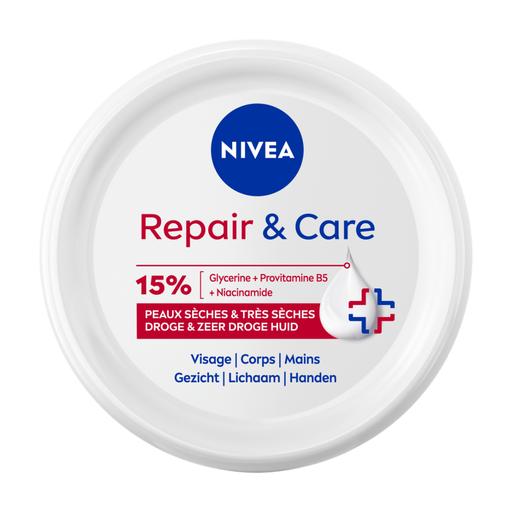
Why this fits the profile: The generous packaging is designed for daily use on the face, body and hands for dry or rough skin.
The product information clearly states the area of application, 400 ml volume and ingredients such as glycerine, panthenol and vitamin E. This means you don’t have to rely solely on a general hydration claim.
400 ml; for face, body and hands; dermatologically tested according to the product description.
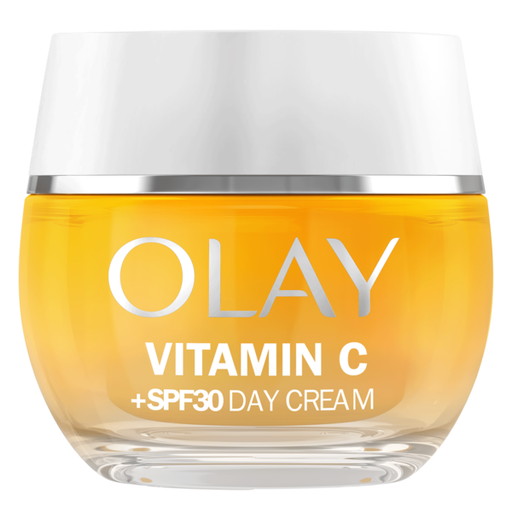
Why this fits the profile: This day cream combines a light formula with SPF 30, niacinamide and a vitamin C derivative for users who want to combine multiple steps.
The SPF factor and 50 ml volume are clearly stated. The formula does contain fragrance ingredients, so check the ingredients if your skin is sensitive to them.
SPF 30; vitamin C and niacinamide; light, non-greasy formula according to the product description.
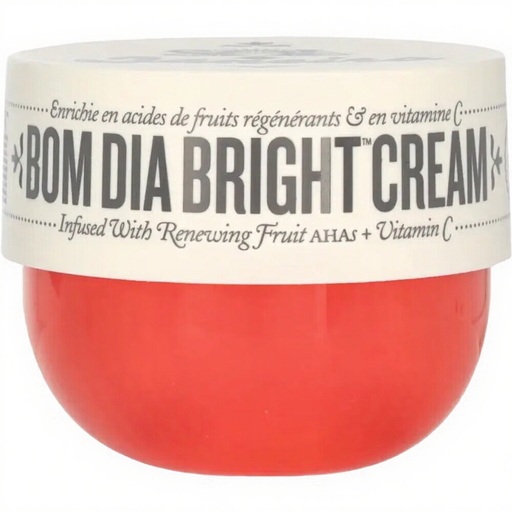
Why this fits the profile: This body cream is designed for those who want to combine body care with a fragranced texture and ingredients such as fruit acids and vitamin C.
The product description explicitly mentions AHAs, vitamin C, fragrance and a warning about possible eye irritation. If you have sensitive skin, do a patch test first.
240 ml; body cream for daily use; scent of pistachio and salted caramel according to the product information.
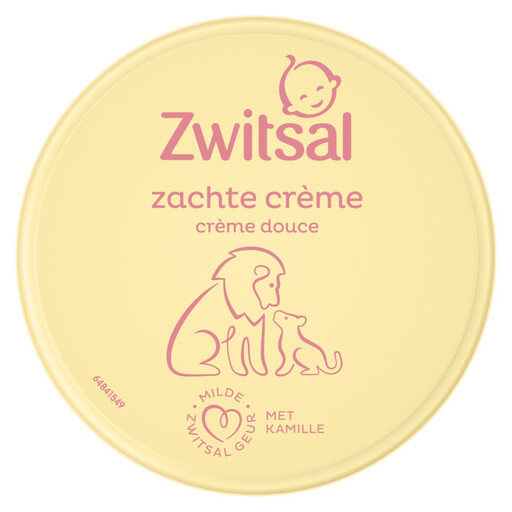
Why this fits the profile: According to the product details, the cream is intended for baby skin and can be used on the face and body, for example after bathing.
The product information states suitability from birth, pH skin-neutrality and the advice to avoid contact with the eyes. This makes the area of application clearer.
200 ml; contains vitamin E; dermatologically tested and pH skin-neutral according to the product details.
We’ve put together a full, up-to-date list of products that fully meet these strict selection criteria and comply with current European safety regulations.
You can only do this if the product information mentions both areas of application. A baby cream such as Zwitsal Baby Soft Cream is intended for the face and body according to the specifications. A rich body cream with fragrance or fruit acids is not automatically suitable for the face.
Check the shelf life on the packaging and the symbol for use after opening. Some products state, for example, 6M or 12M. Store the cream in a cool, dry place away from direct sunlight, and close the packaging tightly after each use.
That depends on your activity, the amount of product and your exposure to sunlight. A day cream with SPF 15 or SPF 30 can be part of a daily routine. For prolonged time outdoors, it’s wise to follow the instructions on the sun product and reapply regularly. Also consider protection against both UVA and UVB rays.
