
当日/次日达

品质保障

开启新人专享福利: 全场免邮 | 低至 2 折 | 免费试用 30 天 JoyPlus 会员
下载 Joybuy
A face and body cream may seem simple to choose, but products vary widely in texture, ingredients, intended use and price. A rich body cream is not automatically suitable for the face. A product labelled “anti-wrinkle” also offers no guarantee of visible results for everyone.
This practical guide focuses on what you can verify: the ingredients, your skin type, the intended use and the amount of product. That way, you can choose more purposefully between a moisturising cream, night cream, body lotion or hand cream to suit your routine.
Words such as “firming”, “repair” or “anti-ageing” describe a marketing position, but do not precisely indicate what your skin will experience. Results depend, among other things, on your skin type, how often you use the product and the rest of your skincare routine.
When a brand mentions specific percentages or timeframes, read the small print. For example, NIVEA refers to a consumer test involving 44 women, a clinical evaluation involving 42 women and an instrumental test involving 44 women for its Q10 cream. According to NIVEA’s own research, these were specific test groups and conditions, not a universal outcome.
A body lotion often contains a richer or fragranced formula than a cream intended for the face. That is not necessarily a problem, but sensitive or reactive facial skin may have different needs. Always check the intended area of use.
A hand cream is designed for frequent washing, friction and dry skin on the hands. A facial night cream is generally formulated for a thinner layer and a different time of use.
“With honey”, “with Q10” or “with vitamin C” tells you only part of the story. Check the full ingredients list and look out for fragrance, alcohol, known allergens and ingredients to which you personally may be sensitive.
If you deliberately want to avoid certain ingredients, you can also browse the range of paraben-free creams. Even then, check the current product packaging and INCI list.
Start by asking where you will use the product:
Glycerine helps attract moisture and is often found in a moisturising cream. Shea butter, squalane, oils and occlusive ingredients such as petrolatum can help the skin feel comfortable. For sensitive skin, fragrance-free skincare is often a sensible first choice.
Also check for fragrance allergens. Vaseline Essential Healing Body Lotion, for example, lists several fragrance allergens, including limonene, linalool and geraniol. This does not make the product unsuitable for everyone, but it is relevant if you have reacted to fragrance in the past.
Do not compare only the price of a pot or tube; also compare the contents in millilitres or grams. You will use a 40 or 50 ml face cream differently from a 200 ml body lotion. Check the packaging for the expiry date, batch number and the symbol indicating the period after opening.
A tube is often practical for hygienic dispensing. A pot can be convenient for a thick body butter, but requires clean hands. Always follow the manufacturer’s directions for use.
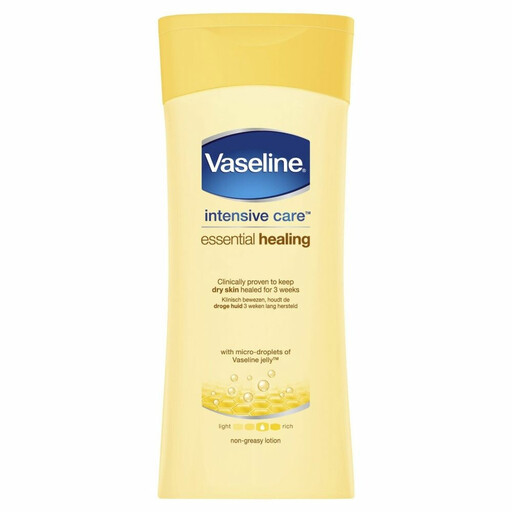
Why it suits this profile: A straightforward 200 ml body lotion for everyday body care, without a complicated routine.
The product information clearly states that it is a body lotion, gives the size as 200 ml and mentions hydration. This makes the intended area of use immediately clear.
Glycerine, dimethicone and petrolatum are listed among the ingredients; according to the product information, the formula has been dermatologically tested.
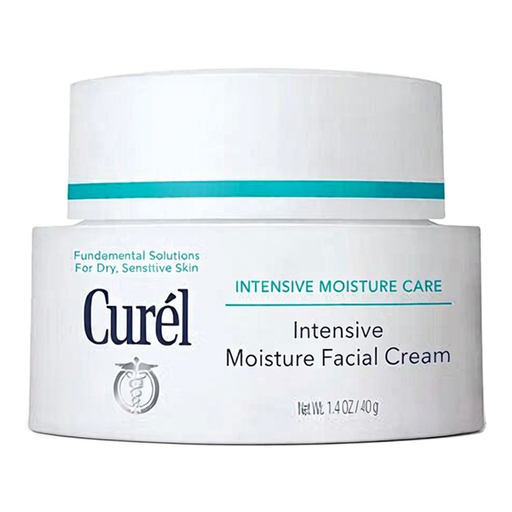
Why it suits this profile: Designed for dry, sensitive facial skin and suitable for anyone looking for a lightweight cream that absorbs quickly.
The product details explicitly mention the face, dry skin and sensitive skin. This clearly distinguishes it from a body lotion.
40 g contents, glycerine, allantoin and a dermatologically tested formula according to the product information.
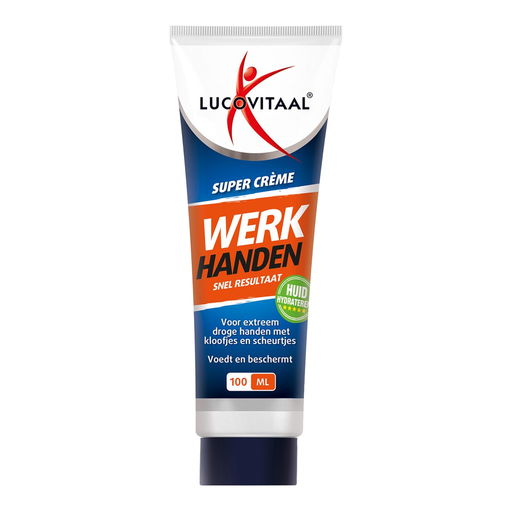
Why it suits this profile: Intended for adults with dry, hard-working hands as a result of housework, gardening, DIY or other intensive use.
The intended use and instructions are specifically focused on the hands. The packaging also states that the product is for external use only.
100 ml contents, shea butter, macadamia oil and allantoin in the ingredients list; the formula is described as paraben-free.
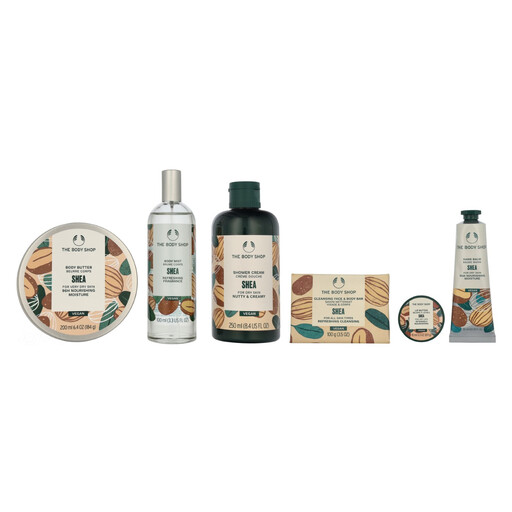
Why it suits this profile: Useful if you are looking for a skincare gift set with several products for the body and hands.
The contents are clearly specified: 200 ml body butter, 250 ml body lotion, 250 ml shower cream and 30 ml hand cream.
730 ml in total and four different skincare products in one set, with shea as the variant.
A night cream is usually applied after cleansing, as the final step in your evening routine. According to the product information, NIVEA Soothing Night Cream is fragrance-free and pH-neutral, containing ingredients such as glycerine, panthenol and liquorice extract. This makes it an interesting option for anyone looking for simple night-time care for sensitive skin.
When choosing an anti-wrinkle cream, it is sensible to read claims carefully. NIVEA Q10 Firming + Anti-Wrinkle Neck & Decolleté Cream contains Q10, creatine and provitamin B5, and has a size of 200 ml. According to NIVEA’s own research, the specified test groups reported softer-feeling skin after seven days and less visible fine lines after fourteen days. Treat this as product information from specific tests, rather than a guaranteed personal result.
We have put together a complete, up-to-date list of products that fully meet these strict selection criteria and the applicable European safety regulations.
Sometimes, but check the product information first. A cream explicitly intended for both the face and body is more suitable for this purpose than a product described only as a body lotion. If you have sensitive skin, pay particular attention to fragrance and potential allergens.
This varies from product to product. Check the expiry date and the open-jar symbol on the packaging. Keep cream sealed, in a cool place and out of direct sunlight. Has the smell, colour or texture changed? It is best not to use the product any more.
A cream with SPF can combine daily skincare with sun protection, but the level of protection depends on the SPF rating, the amount applied and reapplication. For prolonged sun exposure, a product with a suitably higher SPF and clear sun-care instructions is generally more practical than a standard moisturising cream alone.
