
Vandaag of morgen in huis

Kwaliteit gegarandeerd

Welkomstaanbiedingen ontgrendelen: GRATIS bezorging | Tot 80% korting | Gratis 30 dagen JoyPlus-proefperiode
Download de app
A jumper covered in bobbles, loose fibres or fluff can quickly look worn. A fabric shaver can help clothes and other textiles look smart again, but not every device is equally practical. With cheaper models, important details are sometimes barely mentioned.
So don’t focus only on claims such as ‘powerful’ or ‘fast’. Check the blade design, battery, safety features and maintenance requirements. That way, you’re less likely to buy a fabric shaver that stops working properly after a few uses or damages delicate fabrics.
A high motor speed sounds appealing, but it doesn’t tell you everything about the results. The gap between the shaving head and the fabric, the quality of the protective grille and how well the device collects fluff are just as important. A powerful motor without proper protection can snag fabric if used incorrectly.
A fabric shaver collects a lot of fibres. A small collection chamber, or one that’s difficult to empty, means you’ll have to stop regularly. If the airflow becomes blocked, suction may decrease and the motor may get hotter.
With a cordless fabric shaver, it’s useful to know the battery capacity, the type of charging connection and how long the device can run without being plugged in. A battery makes the device portable, but a short run time or unclear information about the charging cable can be frustrating in practice.
A stainless-steel shaving head is suitable for removing loose fibres and bobbles. The protective grille should be securely fitted and keep enough distance between the blades and the fabric. Check the number of blades too. More blades may mean a larger shaving area, but only if the grille and airflow are well matched.
Always use a fabric shaver on a flat, hard surface. Don’t hold the clothing up while you work, and don’t press the device hard against the fabric. Thin wool, silky materials and loosely knitted fabrics need a light touch, so test the device on an inconspicuous area first.
Battery capacity is measured in mAh. A higher figure may mean a longer run time, but actual performance also depends on the motor and how you use the device. A USB-C connection is handy if you already use chargers for other devices. Check whether the cable supplied is USB-C to USB-C or USB-A to USB-C.
Choose a fabric shaver with a safety lock. This switches the device off if the blade grille or collection chamber isn’t fitted properly. Empty the chamber regularly and remove fibres with a cleaning brush. Don’t use the device on clothes while you’re wearing them: the rotating blades can damage your skin and the fabric.
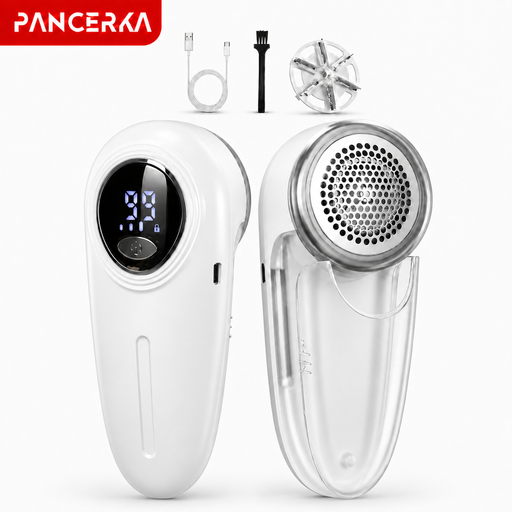
Why it suits this profile: A compact fabric shaver for anyone who wants to freshen up jumpers, coats or blankets from time to time, without having to store a bulky device.
The specifications list a safety lock, a collection chamber and a cleaning brush. These features help with safe use and regular maintenance.
500mAh rechargeable battery, six stainless-steel blades and a motor with a stated speed of 7500 RPM.
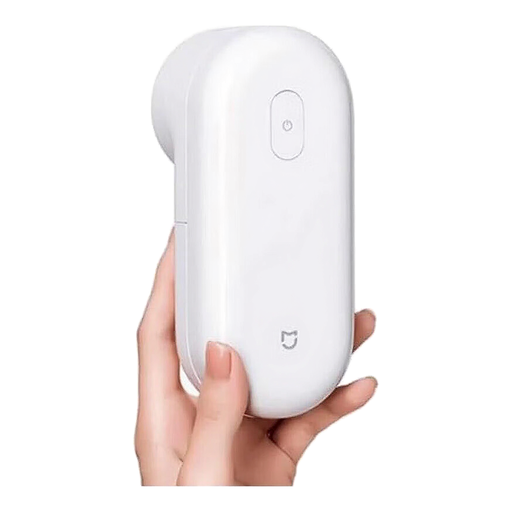
Why it suits this profile: A good choice for households that regularly freshen up several items of clothing and value a longer cordless run time.
According to the product description, the device switches off when the blade grille or collection chamber is removed. Its anti-backflow air guide is designed to collect loosened fluff in the chamber.
1300mAh battery, stated run time of up to 90 minutes, five blades and a USB-C charging cable.
Why it suits this profile: Handy for anyone who wants to use a fabric shaver on clothes as well as regularly freshen up blankets, upholstery or several winter jumpers.
According to the safety information, the collection chamber should be emptied regularly to help prevent blockages and the motor overheating.
Six stainless-steel blades, a stated speed of 7500 RPM according to the product specifications, and a safety lock on the protective grille.
A fabric shaver won’t make a jumper look new or repair holes or loose seams. It mainly removes raised fibres and bobbles. Wash clothes according to the care label and make sure delicate fabrics are completely dry before treating them.
We’ve put together a complete, up-to-date list of products that meet these strict selection criteria and the applicable European safety requirements.
No. Always test it on an inconspicuous area first. The grille may catch fibres on thin, loosely knitted or delicate fabrics. Use light pressure and follow the manufacturer’s instructions.
It varies by model and how you use it. Battery capacity, motor speed and the extent of any blockages all play a part. A model with a larger battery, such as the Xiaomi with 1300mAh according to the product description, may run for longer without a cable than a 500mAh model, but always go by the stated run time.
Empty the collection chamber after use, brush away loose fibres and check that the grille is clean and securely fitted. Don’t rinse electrical components under the tap. Charge the battery according to the instructions supplied and store the device somewhere dry.
