
Vandaag of morgen in huis

Kwaliteit gegarandeerd

Welkomstaanbiedingen ontgrendelen: GRATIS bezorging | Tot 80% korting | Gratis 30 dagen JoyPlus-proefperiode
Download de app
Fabric conditioner can make clothes feel softer, help reduce static electricity and add fragrance to textiles. However, buying fabric conditioner is not simply a case of choosing the nicest scent. A large bottle is not automatically better value, a long-lasting fragrance says nothing about whether it is suitable for every garment, and the word “Sensitive” is no guarantee that everyone will tolerate the product without problems.
With this practical guide, you can focus on the points that really matter in a Dutch household: dosage, number of washes, fragrance, ingredients and the type of textile you are washing.
A 1.1-litre bottle may initially seem more expensive than a 750 ml bottle. However, a concentrated fabric conditioner can work out cheaper per wash. So don’t just compare millilitres; focus mainly on the number of washes and the recommended dosage.
Examples from the range:
A strong fragrance may linger on clothes for longer, but that is not desirable in every household. If you are washing baby clothes, are sensitive to perfume or simply do not want fragranced textiles, it is better to check the ingredients and warnings.
A fragrance-free fabric conditioner is a targeted choice if you want to avoid perfume. However, always check the label: “fragrance-free” does not automatically mean that someone with sensitive skin can use the product without a reaction.
Fabric conditioner is not always suitable for every type of textile. With towels, sportswear, microfibre and some technical fabrics, it can affect absorbency or the material’s intended properties. So check the care label and product instructions. Always pour liquid fabric conditioner into the designated compartment rather than directly onto the clothes.
The description fabric conditioner for 30 washes or fabric conditioner for 38 washes is more useful than the bottle volume alone. A household that does several loads of washing each week will benefit more from a product offering a high number of washes. Also check the recommended amount for a small or large drum.
For example, g'woon Sensitive recommends a dosage of 25 ml for 4 to 5 kg of dry laundry and 55 ml for 6 to 7 kg. Using the correct dosage prevents unnecessary consumption and helps limit residue on textiles.
Choose the fragrance according to your everyday preference:
Also check the ingredients list for perfume substances and any warnings. Lenor Jasmine & May Rose, for example, states that the product contains a sensitising substance and may cause an allergic reaction. This is relevant information when making a purchase, particularly when several members of the household wear the same laundry.
If you are looking for fabric conditioner for sensitive skin, it is worth considering three things together:
According to Robijn’s own product information, certain variants have been dermatologically tested. This is a brand claim and not a guarantee for every user. If you have a known sensitivity, it is sensible to read the label carefully and follow the washing instructions. According to the product description, Bingo Sensitive is dye-free and has a hypoallergenic formula; even so, it remains important to check the current packaging.
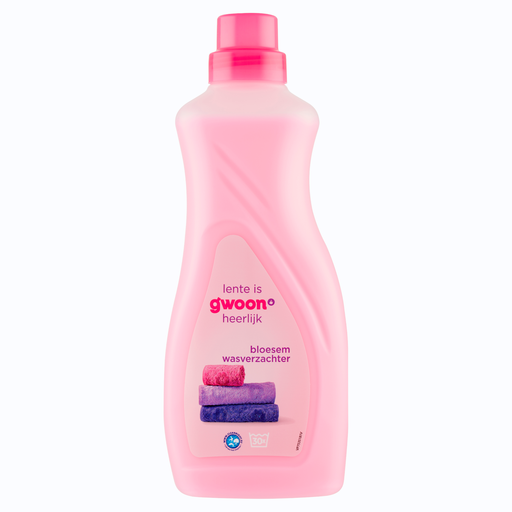
Why it suits this profile: A straightforward choice for anyone using liquid fabric conditioner for the first time and looking for a floral fragrance. According to the product information, the concentrated formula is suitable for up to 30 washes.
The number of washes is clearly stated, so you are less likely to judge the product solely by the bottle size or fragrance.
750 ml, blossom fragrance, up to 30 washes and suitable for machine and hand washing according to the product information.
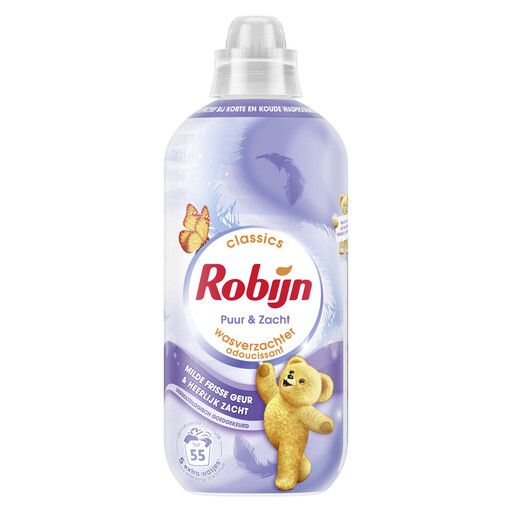
Why it suits this profile: Ideal for a household that does laundry frequently and would rather not buy a new bottle too often. According to Robijn’s own research, this variant contains 98% biodegradable ingredients and the packaging is recyclable, with the exception of the label.
By considering 55 washes alongside 1.1 litres, you get a more realistic view of consumption than by comparing volume alone.
1.1 litres, 55 washes, a concentrated formula and a brand-recommended dosage of 20 ml.
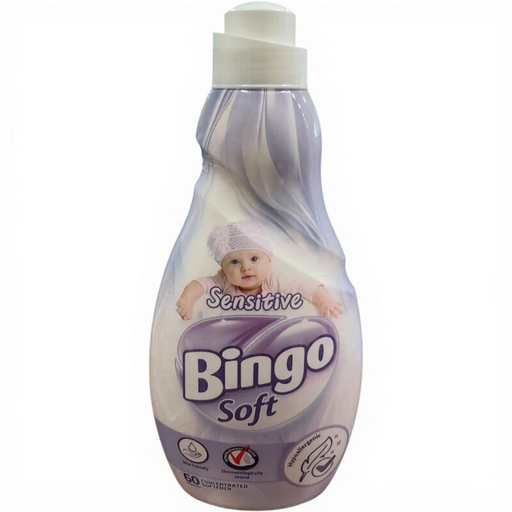
Why it suits this profile: Designed for households looking for a larger pack and a delicate fragrance, for example for frequent washing or baby clothes. According to the product information, the formula is dye-free and hypoallergenic.
The variant’s positioning is clear, but always check the current ingredients and warnings on the packaging before use.
1,440 ml, liquid formula, delicate fragrance and, according to the product description, suitable for wet laundry.
We have put together a complete, up-to-date list of products that fully meet these strict selection criteria and the applicable European safety regulations.
No. Fabric conditioner is an optional addition for softness, fragrance and less static electricity. For some fabrics, it may actually be less suitable. So check the care label and use the product mainly for textiles where it is not discouraged by the manufacturer.
This depends on the formula, dosage, programme, drying method and fabric. Brands may claim a long-lasting fragrance, but such claims come from the brand itself. According to Robijn’s own research, a specific variant can provide freshness for up to 100 days; this is not a guaranteed duration of use in every situation.
Compare the price per wash. Divide the purchase price by the stated number of washes and also check the recommended dosage. A bottle containing more millilitres may still work out more expensive if it requires a higher dosage. This gives you a practical way to compare fabric conditioner for 30 washes, fabric conditioner for 38 washes and larger packs.
