
Vandaag of morgen in huis

Kwaliteit gegarandeerd

Welkomstaanbiedingen ontgrendelen: GRATIS bezorging | Tot 80% korting | Gratis 30 dagen JoyPlus-proefperiode
Download de app
Written by: Joybuy Product Recommendation Officer Date: July 14, 2026
You want to buy a set of Faber-Castell colored pencils, but the extensive range can be overwhelming. From watercolor pencils to pastel varieties, each line has unique properties. How do you know which set is right for your projects?
This guide is designed to provide clarity. We'll highlight the specifications of popular Faber-Castell series, so you can make an informed choice that suits your creative goals, whether you're a beginner hobbyist or a (semi-)professional artist.
Before we look at specific products, here are a few practical points to consider. This will help you find the right Faber-Castell pencil set.
Faber-Castell offers different types of pencils, each with its own application:
The quality of a pencil is largely determined by its pigment concentration and lightfastness. Professional colored pencils have a higher pigment concentration, resulting in more vibrant colors and better coverage. Lightfastness, often indicated by stars on the pencil, tells you how well the color resists fading from light exposure. For artworks intended to last, a high lightfastness rating (indicated by ***) is a crucial factor.
Pay attention to the shape and construction of the pencil. Many Faber-Castell pencils have an ergonomic triangular or hexagonal shape for a comfortable grip. A key technical feature is the SV (Secural) bonding. This is a process where the lead is bonded along its entire length to the wood casing, which significantly increases its break resistance, especially when dropped or sharpened.
Based on product specifications and applications, we have made a selection of popular Faber-Castell sets.
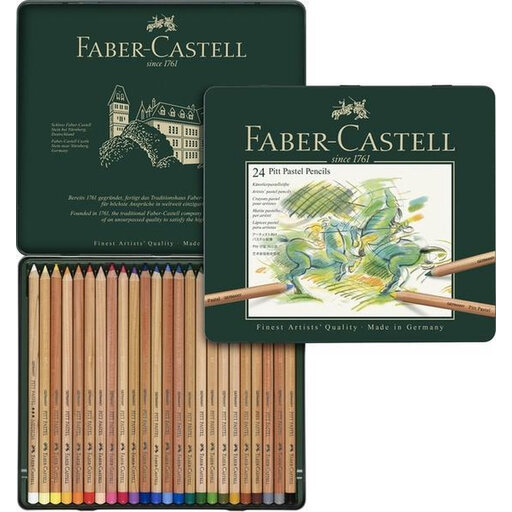
Why It Stands Out: The core of these pencils contains a high concentration of pigment but is free of wax and oil. This makes them ideal for drawing fine details in pastel artwork, and they can be easily smudged for soft color transitions.
Advantages:
Who Is This For? This set is an excellent choice for artists who work with pastels and seek more control and precision for details. Both beginners and advanced users looking to refine their pastel technique will appreciate the properties of these pencils.
View the Faber-Castell Pitt Pastel Pencils Set
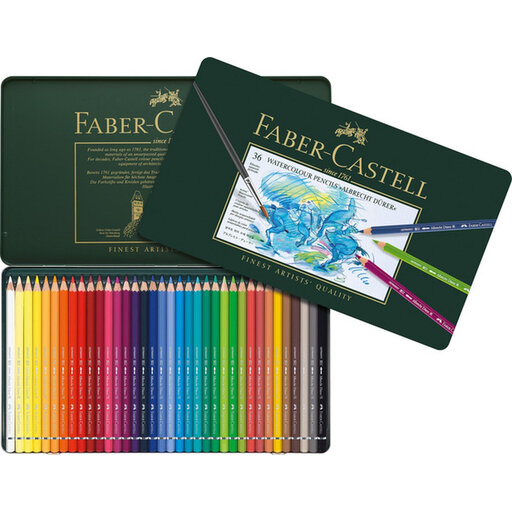
Why It Stands Out: These watercolor pencils combine the control of a pencil with the versatility of watercolor paint. The pigments are fully water-soluble, ensuring smooth transitions and limitless blending possibilities with just a wet brush.
Advantages:
Who Is This For? Ideal for illustrators, urban sketchers, and artists who enjoy combining the properties of drawing and painting. If you are looking for professional colored pencils with watercolor properties, the Faber-Castell Albrecht Dürer line is a popular choice.
View the Albrecht Dürer Watercolour Pencils Set
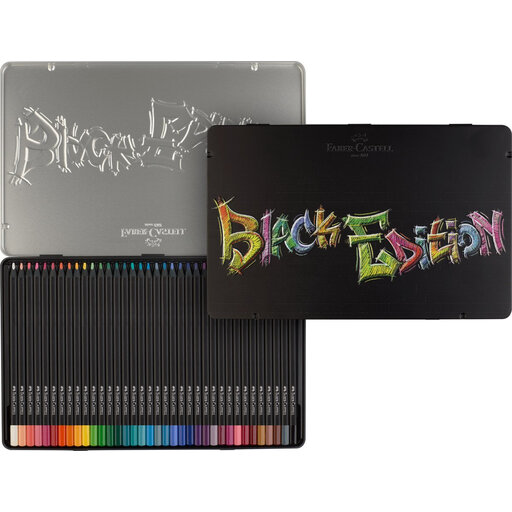
Why It Stands Out: The Faber-Castell Black Edition is specially designed for striking results, even on dark or colored paper. The super-soft lead provides an incredibly smooth and opaque color laydown, making the colors pop off the page.
Advantages:
Who Is This For? This set is perfect for students, hobbyists, and creatives who love a modern aesthetic and enjoy experimenting on different colored surfaces. The vibrant colors and soft laydown also make them highly suitable for adult coloring books.
View the Faber-Castell Black Edition Set
While this guide focuses on colored pencils, every good drawing starts with a solid foundation. If you want to supplement your collection by purchasing essential drawing pencils for sketching, such as a classic 2B pencil, you can browse our wider assortment.
1. What is the difference between Faber-Castell Polychromos and Albrecht Dürer pencils? The main difference is the binder. Polychromos pencils are oil-based and water-resistant, ideal for layering dry colors. Albrecht Dürer pencils are water-based and fully soluble, making them suitable for watercolor techniques.
2. What is the best way to sharpen pastel pencils? According to the manufacturer, Faber-Castell, the Pitt pastel pencils are best sharpened with a knife. This provides more control over the shape of the point and prevents the relatively soft core from breaking in a standard sharpener.
