
Vandaag of morgen in huis

Kwaliteit gegarandeerd

Welkomstaanbiedingen ontgrendelen: GRATIS bezorging | Tot 80% korting | Gratis 30 dagen JoyPlus-proefperiode
Download de app
The skin around your eyes is thin and often reacts more quickly to dryness, friction and active ingredients than the rest of your face. However, an expensive eye serum isn’t automatically right for your skin. Marketing terms such as “lifting”, “glow” and “anti-ageing” don’t tell you much if the formula, packaging and directions for use aren’t right for you.
As a Joybuy Product Recommendation Officer, I filter product information using verifiable criteria. This helps you avoid paying for a tempting promise, only to end up with a product that stings, pills under make-up or sits unused in your bathroom after a few weeks.
A serum for dark circles or an eye serum for wrinkles can hydrate the skin and help the eye contour look smoother. However, the visibility of dark circles and puffiness is also influenced by genetics, sleep, pigmentation, fluid retention and the natural shape of the eye socket. No cosmetic product can guarantee the same results for every user.
Instead, look at the function actually stated in the product information: hydration, care for fine lines, a cooling applicator or support for a more even-looking complexion. Treat brands’ claims about clinical results as claims made by the manufacturer, not as personal advice.
Retinol and retinal are vitamin A derivatives often used in formulas for mature skin. They can make skin more sensitive to sunlight and cause irritation. Products such as Medicube PDRN Pink Peptide Eye Serum, No.9 NAD+ Retinol Volumetox Eye Cream and Beauty of Joseon Revive Eye Serum contain retinol or retinal, according to their listed ingredients.
It’s best to start slowly, use a small amount and always follow the label. Daily sun protection is important during the day. The product information for the products mentioned advises against using retinol products during pregnancy or while breastfeeding. If you’re unsure, speak to a doctor or midwife.
A 30 ml pack may seem better value than a 10 or 15 ml eye serum. However, you’ll usually only need a small amount each time for the eye contour. Packaging matters too: a pump bottle helps you control the dose, a roll-on can be handy when you’re out and about, while a jar requires extra care to keep the product hygienic.
Also check the period after opening, such as 6M or 12M, and store the product according to the instructions on the packaging.
First, decide what matters most to you:
Eye creams often have a richer texture than serums. If you have dry skin, you could use an eye serum alongside an eye cream. Apply a thin layer and let the product absorb before applying make-up.
A lightweight essence or gel often works better under make-up than a rich cream. A roll-on, such as the Clinique All About Eyes Serum Eye Massage Roll-On, spreads the product with gentle pressure. A stick is handy for touch-ups on the go, but check that its texture doesn’t cause too much friction.
Don’t massage the eye area firmly. Gently pat the product in with your ring finger and avoid direct contact with your eyes.
If your skin is prone to stinging or redness, look for fragrance-free formulas, a short ingredients list and claims such as dermatologically or ophthalmologically tested. These are product features, but they don’t guarantee that irritation is impossible. If you have sensitive skin, first test a small amount on a limited area of skin and stop using it if you feel any discomfort.
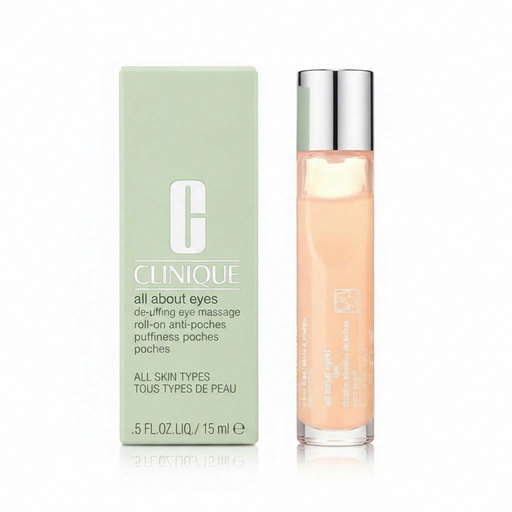
Why it suits this profile: The roll-on is easy to dose and suits anyone looking for a lightweight, quick-drying formula that, according to the product information, can be used both under and over make-up.
The product description doesn’t mention retinol and states that the formula is free from alcohol, fragrance and oil. This makes it easier to assess as a first eye serum, although a skin reaction is still possible.
15 ml, roll-on applicator, glycerine and sodium hyaluronate on the ingredients list, plus a stated period of 6 months after opening.
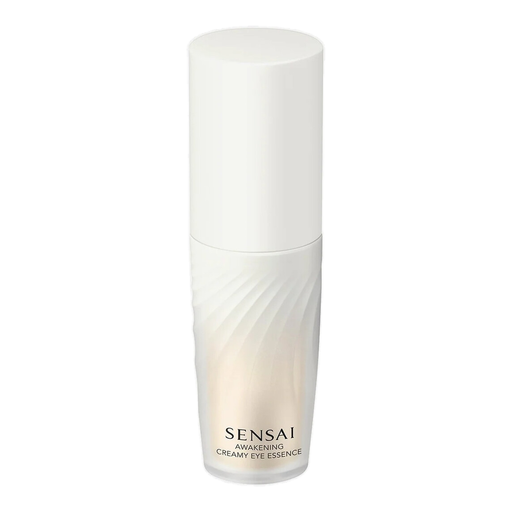
Why it suits this profile: The cream-to-essence texture is designed for users who want a more nourishing product that, according to the description, can also be applied to dry areas during the day.
The recommended amount is clearly stated: around one pump per eye. This helps prevent overuse and makes your daily routine more predictable.
20 ml, pump bottle, stated to be suitable for all skin types and dermatologically tested according to the product information.
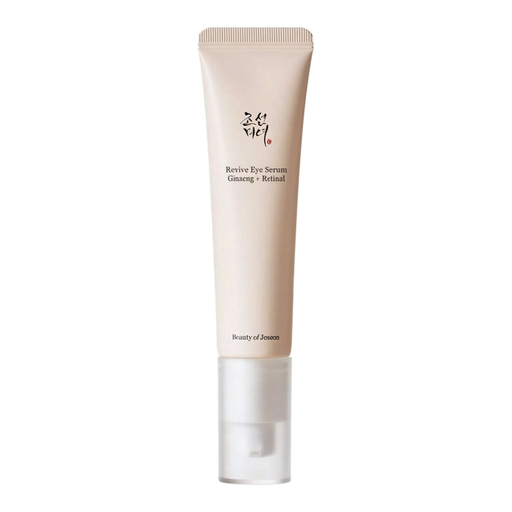
Why it suits this profile: This eye serum is for anyone who specifically wants to include retinal in their eye care and is looking for a product that, according to the product information, can also be used on the face.
The presence of retinal is clearly stated. This makes it easier to distinguish the product from a simple hydrating serum and plan how to introduce it gradually.
30 ml, retinal, niacinamide, ceramide NP and sodium hyaluronate on the listed ingredients; stated to be suitable for all skin types.
We’ve put together a complete, up-to-date list of products that meet these strict selection criteria and the applicable European safety regulations.
No. A serum is usually lighter and often contains a concentrated formula. An eye cream is generally richer and can provide extra comfort if you have dry skin. You can use both, but using several active products at once also increases the risk of irritation.
That depends on the amount in the pack, how much you use and how often you apply it. Above all, check the period after opening on the packaging. For example, the product information for several of the serums mentioned states 6 months after opening; other products state 12 months. Stop using a product if its smell, colour or texture changes noticeably.
A serum with nourishing ingredients can hydrate the skin around your eyes and help it look more even. A roller mainly adds a cooling effect and makes application convenient. Dark circles can have various causes, so a cosmetic serum won’t have the same visible effect for everyone.
