
Vandaag of morgen in huis

Kwaliteit gegarandeerd

Welkomstaanbiedingen ontgrendelen: GRATIS bezorging | Tot 80% korting | Gratis 30 dagen JoyPlus-proefperiode
Download de app
An extractor hood needs to suit your hob, the space available and the way air is extracted. Yet people often choose based on appearance or a high m³/h figure alone. This can leave you with a model that’s too noisy, doesn’t cover the cooking area properly or can’t be used without extra parts.
In this buying guide, you’ll find out what to consider when choosing a kitchen extractor hood, from a compact rented flat to a spacious open-plan kitchen.
A high figure in m³/h might sound appealing, but it doesn’t tell the whole story. Actual airflow also depends on the setting you choose, the length of the extraction duct, bends in the duct and the filters used. A powerful setting can also produce more noise.
So, always compare the capacity at each setting if this information is available. Check whether the figure applies to normal extraction or an intensive/boost setting.
A wall-mounted extractor hood for ducted extraction needs space for a suitable duct and a connection with the correct diameter. This isn’t always possible in a flat or rented home. A recirculating extractor hood doesn’t vent air outside; instead, it circulates it through grease and carbon filters.
Before you buy, check:
A black or angled extractor hood may suit your interior, but remember to check its width, depth and installation height too. A glass front can show fingerprints more clearly. With an under-cabinet extractor hood, you should also check that the cabinet has enough load-bearing capacity and clearance.
A 60 cm extractor hood will generally suit a standard hob measuring around 60 cm. If you have a wider hob, a kitchen island or often cook with several pans at once, a 90 cm extractor hood may be more practical. The hood should extend far enough over the cooking area to capture fumes effectively; a model that’s too narrow may not do this as well.
As well as the width, measure the available height. Angled models often have an adjustable chimney, while a flat or under-cabinet model takes up less vertical space.
With ducted extraction, fumes and smells are vented outside through a duct. This can be effective, but it requires a suitable installation. With recirculation, odours are reduced by an extractor hood with a carbon filter before the air is returned to the kitchen. The carbon filter needs to be maintained or replaced in line with the product instructions.
A recirculating system is particularly useful for renters, students and people living in flats without an existing external vent. It’s still important to ventilate the room well while cooking and afterwards.
Noise levels are usually listed in dB. A difference of a few decibels can be noticeable in an open-plan kitchen or studio flat. So compare the noise levels at normal settings, not just the maximum figure.
The energy rating gives you an indication of electricity consumption. An energy-efficient extractor hood may be worth considering if you use it often, but check the stated annual consumption in kWh too. Features such as LED lighting, automatic controls and Wi-Fi add convenience, but aren’t essential for every kitchen.
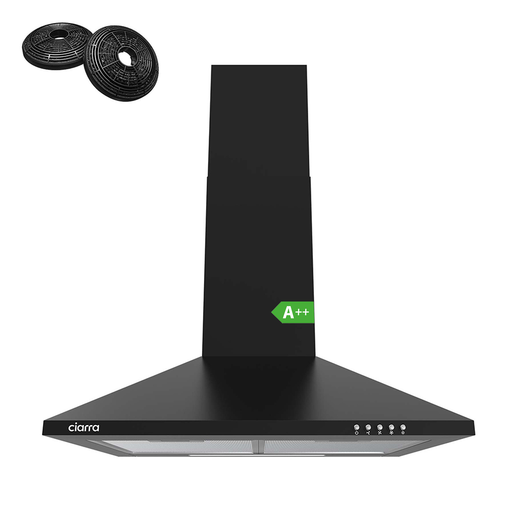
Why it suits this type of user: A straightforward 60 cm model for standard cooking areas, with push-button controls and support for both ducted extraction and recirculation.
The product information lists three settings, a maximum capacity of 367 m³/h and a maximum noise level of 63 dB. This makes it easy to compare the key figures before you buy.
Washable aluminium filters, LED lighting, A++ rating and an adjustable height of 572–950 mm.
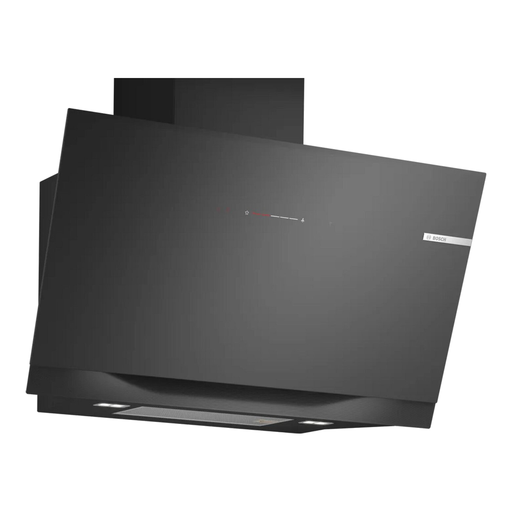
Why it suits this type of user: A wide wall-mounted extractor hood for anyone who values the controls, lighting and range of power settings in a spacious kitchen.
The specifications distinguish between normal extraction and the intensive setting: 441 m³/h in normal mode and up to 1007 m³/h on intensive mode. Recirculation requires a separately available kit.
90 cm wide, A+ rating, DirectSelect controls, LED lighting and a stated noise level of 35–51 dB on the normal settings.

Why it suits this type of user: Ideal if you cook in a flat, don’t have a fixed external vent and value app control.
The product description lists both recirculation with included carbon filters and external extraction. The stated maximum noise level is 59 dB.
Maximum capacity of 650 m³/h, four speed settings including a booster, A+++ rating and sensor-touch controls with Wi-Fi.
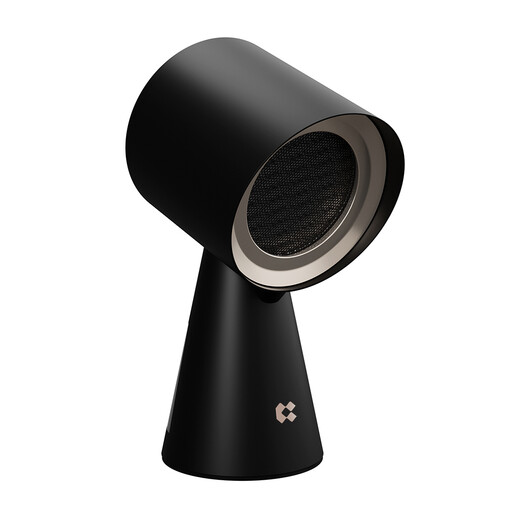
Why it suits this type of user: A portable solution for a studio flat, rented home, temporary cooking area or anywhere wall mounting isn’t possible.
There’s no need for a permanent installation or a hole through the wall. The unit works as a recirculating system, with two speeds and a multi-layer filter module.
It has a compact design, sits on your worktop and has filters that can be cleaned and reused according to the product information.
Install a fixed hob extractor hood in line with the instructions and check the minimum distance from the hob. Electric hobs often have different installation instructions from gas hobs. Make sure the electrical connection and any external extraction duct are installed in accordance with local regulations.
Clean the metal grease filter regularly. Product information for various models recommends cleaning it every two to four weeks, depending on use. With recirculation, check and replace the carbon filter according to the manufacturer’s instructions. Switch off the appliance and disconnect it from the power supply before removing or cleaning the filters.
We’ve put together a complete, up-to-date list of products that meet these strict selection criteria and the applicable European safety regulations.
Yes, especially if external extraction isn’t possible. You’ll need a suitable carbon filter and will need to maintain it. You should also ventilate the room through a window or ventilation system.
It depends on your situation. For an open-plan kitchen or studio flat, it’s a good idea to compare the noise levels at normal settings. A stated level of around 60 dB or lower may be more comfortable than a model that’s quiet only on its lowest setting.
Its lifespan depends on installation, use and maintenance. Regularly cleaning the grease filter helps prevent a build-up of grease. When buying, also check the warranty terms and availability of filters, as well as the motor, lighting and controls.
