What should you look for when choosing?
Keep using the existing fridge
Best if: you can fit in a sealed container and check the temperature.
The trade-off: you won’t need a second appliance, but you’ll still depend on shared space and agreements about keeping food clean and sealed.
Add a compact fridge
Best if: you regularly need your own fridge space and have a suitable spot available.
The trade-off: you’ll have separate storage space, but you’ll be adding a second appliance that uses electricity.
Choose one larger shared fridge
Best if: several users regularly run short of space and can choose a replacement appliance together.
The trade-off: agree how to divide the space, cleaning and running costs.
First check whether you can organise the existing fridge effectively and keep it at the right temperature. Only then compare an extra appliance with a suitable shared alternative.
| What to consider |
What to look for |
Who should pay particular attention? |
| Temperature and sealed storage |
Set the fridge to 4 °C and check the temperature with a thermometer; make sure there’s space for a well-sealed container. |
I want to keep cut carrot sticks chilled and sealed. Around 36% of consumers put this storage requirement first. |
| Practical space and organisation |
Measure your container and the available space; look at the shelves, drawers and door layout rather than just the number of litres. |
If several housemates store food in the fridge, I want a clearly defined spot for my sealed container. Around 29% of consumers prioritise shared storage space. |
| Energy use |
Compare annual energy use in kWh for appliances that provide the space you need. Discuss who will pay the running costs of an extra fridge. |
If I’m considering a second appliance, I want to know how much it will add to annual energy use. Around 21% of consumers focus mainly on running costs. |
| Placement and noise |
Measure the height, width and depth, allowing room for the door to open; compare the stated noise level in dB and follow the installation instructions. |
In a kitchen with limited space or near a living area, I want to know whether the appliance will fit and what noise level is stated. Around 14% of consumers make placement and noise their main considerations. |
Products for extra fridge space
This selection includes compact fridges and a compact model with a freezer compartment for anyone looking for a separate spot for sealed containers. Before buying, check the dimensions and layout, and check the temperature after installation.
 No image available
Bella BKK090.1BE, 88 litres, energy rating E
The adjustable shelves and vegetable drawer offer different places to store food and a sealed container.
88 litres; three shelves; vegetable drawer; 39 dB; 90 kWh per year. Check the temperature with a thermometer after installation.
Joybuy
 No image available
Exquisit KS16-4-051CW, 107 litres of fridge space and a freezer compartment
The fridge section has room for sealed containers alongside other chilled food; choose this model only if you also need freezer space.
107 litres of fridge space and 13 litres of freezer space; three shelves; vegetable drawer; rotary temperature control; 37 dB; 87 kWh per year; energy rating C.
Joybuy
 No image available
Wiggo WL-BTT88E(W), 54 cm, energy rating E
The two shelves, vegetable drawer and door compartments give you different places to organise shared food.
129 litres; two shelves; vegetable drawer; two door compartments; 39 dB; 92 kWh per year. Measure the available space and check that the door can open fully.
Joybuy
 No image available
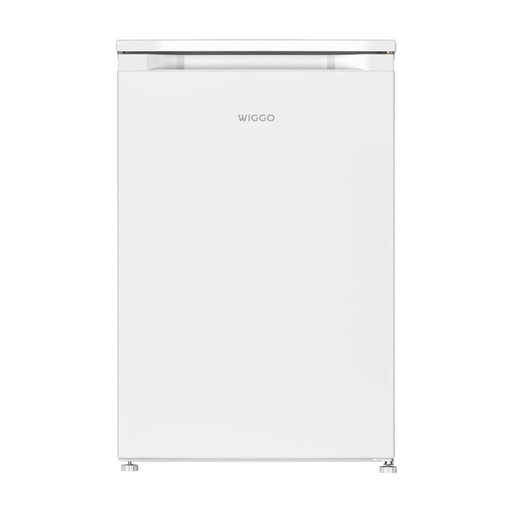
Wiggo WL-TT82D(W), 55 cm, energy rating D
The reversible door can help you position the fridge so the door opens in the direction that suits your kitchen.
107 litres; glass shelf; vegetable drawer; door compartments; mechanical temperature control; interior light; dimensions 54,90 × 54,90 × 84,50 cm.
Joybuy
 No image available
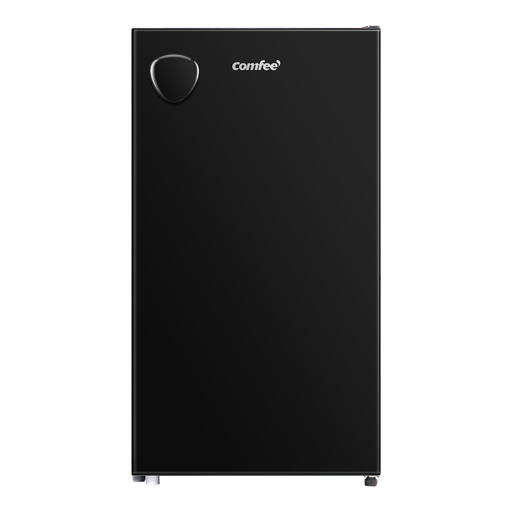
COMFEE' RCD92BL2EUY(E), 88 litres, energy rating E
The adjustable thermostat, removable glass shelves and vegetable drawer are useful if you want to adapt the layout to fit sealed containers.
88 litres; dimensions 44,5 × 47 × 82,7 cm; reversible door. According to the product description, the separate cooling zone is only intended for short-term chilling: don’t store food there for more than two hours.
Joybuy
Frequently asked questions
How long can you store cut carrot sticks?
The Netherlands Nutrition Centre recommends keeping opened packs of pre-cut vegetables and raw vegetables without dressing in the fridge for two days. Keep the sticks in a well-sealed container; don’t automatically apply the storage time for whole carrots.
How can you check whether the fridge is cold enough?
The Netherlands Nutrition Centre recommends setting the fridge to 4 °C and checking the temperature with a fridge thermometer. Put it in the middle of the bottom shelf and leave it there for half a day or overnight; adjust the cooling setting if needed.
How can you stop other food contaminating the carrot sticks?
Store the sticks in a well-sealed container and use clean equipment when cutting them. The Netherlands Nutrition Centre recommends storing raw meat, chicken and fish covered at the bottom of the fridge, and making sure any drips don’t touch other food.
What should you measure before installing an extra fridge?
Measure the space and the doorway, and check that your containers will fit inside the fridge. Follow the chosen model’s instructions for ventilation and connection; the space required varies by appliance.
What does the energy label tell you when comparing fridges?
The energy label shows details including the A–G rating, annual energy use in kWh, capacity and noise level. Compare the energy use of models that meet your space requirements; the rating alone doesn’t tell you how much electricity a particular size will use each year.


