
If you want to check the temperature
You want to keep opened cream in the fridge after getting home and use a separate thermometer to check that the temperature is 4 °C, as recommended by the Netherlands Nutrition Centre.


Don’t automatically buy a separate fridge just for one carton of cream. If your current fridge has enough space and a separate thermometer confirms the actual temperature is 4 °C, it may be all you need. The Netherlands Nutrition Centre recommends keeping your fridge at 4 °C. If you need extra chilled storage, first consider where the fridge will go and how much fridge space it offers. Only choose a freezer compartment if you also want to store frozen food. A fridge is no substitute for keeping food cool on the way home.
You want to keep opened cream in the fridge after getting home and use a separate thermometer to check that the temperature is 4 °C, as recommended by the Netherlands Nutrition Centre.
You have other chilled groceries as well as cream, so you need to weigh up the usable fridge capacity against the space available. The Consumers’ Association points out that table-top models vary in their features and freezer capacity.
You want to store chilled and frozen groceries in one appliance, so you need to look at the fridge and freezer capacities separately. Energielabel.nl lists both capacity figures as information shown on the energy label.
Choose this if: there’s enough room for the cream and, once adjusted, a separate thermometer reads 4 °C.
Bear in mind: a dial or digital display doesn’t necessarily show the actual temperature.
Choose this if: you mainly need more space for chilled groceries and don’t need extra freezer space.
Bear in mind: dimensions, layout, noise levels and energy use vary from model to model.
Choose this if: you want to store frozen food as well as chilled food and don’t have another freezer.
Bear in mind: freezer space can’t be used to chill cream, so compare the two capacity figures separately.
Choose this if: the fridge needs to fit into an existing kitchen layout.
Bear in mind: check the niche dimensions, door system and installation requirements for the exact model.
| What to consider | What to look for | Who should pay particular attention? |
|---|---|---|
| Temperature you can check | Set the fridge to the recommended 4 °C and check the actual temperature with a separate fridge thermometer. | I want to keep opened cream chilled and don’t want to rely on the dial or display alone. Around 36% of consumers say being able to check the temperature is their main purchasing concern. |
| Fridge capacity and dimensions | Compare the usable fridge capacity, layout and external dimensions with the space available. | If I’m chilling other market groceries as well as cream, I want to know that everything will fit without the fridge taking up too much space. For around 29% of consumers, having the right fridge capacity and space to put it are top priorities. |
| With or without a freezer compartment | Check the fridge and freezer capacities separately and consider whether you already have another freezer. | I also want to store frozen food, but I don’t want to overestimate the fridge space available for cream. Around 21% of consumers say having both fridge and freezer space is their top purchasing priority. |
| Annual electricity use | Compare the current energy label and stated annual consumption in kWh for models with the right amount of fridge space. | If I’m going to use a fridge for a long time, I want to consider its electricity use as well as the capacity I need. For around 14% of consumers, energy consumption is their main purchasing concern. |
Keeping food chilled on the way home and putting it away promptly are two separate steps.
Buy perishable food at the market last, use a cool bag and put it straight in the fridge when you get home. The Netherlands Nutrition Centre also recommends checking that products which should be chilled are actually cold at the market stall.
The actual temperature may differ from the setting shown on the dial or display.
Check it with a separate fridge thermometer on the bottom shelf and adjust the setting if needed. The Netherlands Nutrition Centre recommends 4 °C and points out that a dial or display doesn’t always show the actual temperature.
Freezer capacity isn’t available for chilled groceries.
Compare the stated fridge capacity separately and only choose a freezer compartment if you’ll use it.
Since 1 March 2021, fridges have used the A–G scale. According to Energielabel.nl, the label also shows annual consumption in kWh.
Compare suitable models using their current energy labels and annual consumption.
The KK550S is a table-top model with no stated freezer compartment and a fridge capacity of 131 litres.
According to Liebherr, the Rd 1200 Pure is a table-top model measuring 50 cm wide, with a total capacity of 110 litres.
Beko offers both the freestanding TSE1285N table-top model and the integrated B1904N; they suit different installation requirements.
This selection ranges from a very small mini fridge to table-top models, with and without a freezer compartment. If you’re using a fridge for cream, check that it can maintain an actual temperature of 4 °C once installed.
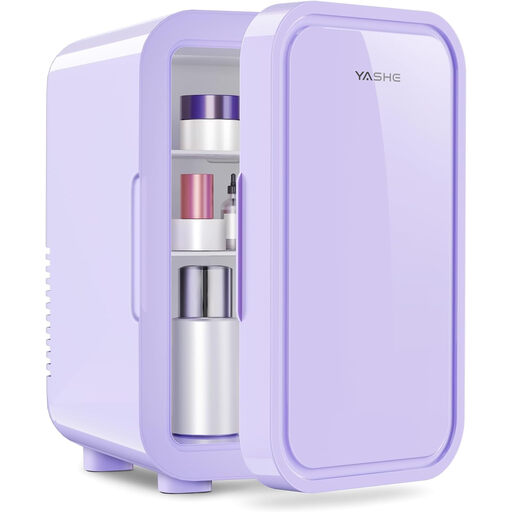 No image available
For a very small amount of chilled food; before using it for cream, check whether the appliance can maintain the actual temperature required.
Capacity: 6 litres, suitable for 8 cans according to the product name. Power supply: 220–240 V AC/DC. Colour: purple.
 No image available
A table-top model without a freezer compartment for cream and other chilled groceries; once it’s in place, check the actual temperature with a separate thermometer.
Fridge capacity: 88 litres. Dimensions: 48 × 45 × 85 cm. Features adjustable glass shelves, three door compartments and mechanical temperature control.
 No image available
The stated fridge temperature range includes 4 °C, but the setting doesn’t confirm the actual temperature. Once the fridge is in place, check it with a separate thermometer.
Temperature range according to the product information: 0–10 °C. Features three adjustable glass shelves and a separate chiller box. Dimensions: 449 × 485 × 842 mm.
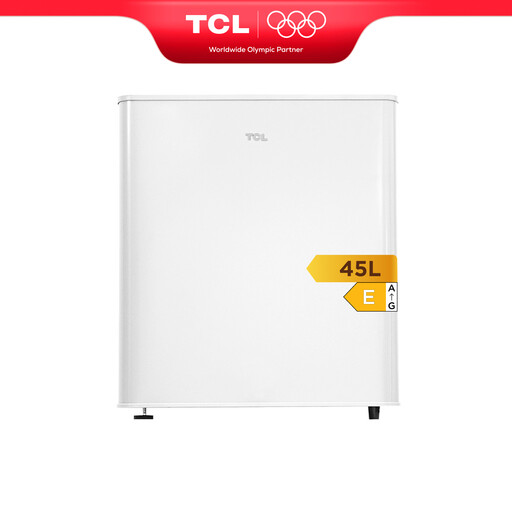 No image available
For anyone who wants to store chilled groceries and a small amount of frozen food in one appliance; the freezer space doesn’t count as fridge space for cream.
Fridge space: 42 litres; freezer compartment: 3 litres. The stated fridge temperature range is 0–10 °C; check the actual temperature with a separate thermometer.
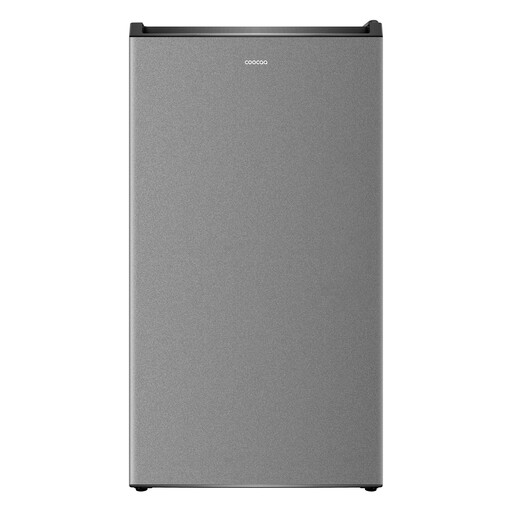 No image available
A fridge with space for cream and other chilled groceries; once it’s in place, use a separate thermometer to check whether it reaches the required temperature.
Fridge capacity: 83 litres. The product information doesn’t specify a freezer compartment. Features temperature control, adjustable feet and an interior light.
It depends on the type of cream. For opened, unwhipped cream, the Netherlands Nutrition Centre recommends 4–6 days in the fridge; for instant whipped cream with sugar, it recommends 1 day. Aerosol cream has separate guidance: use it by the best-before date. Check the packaging and advice for the exact product you have.
Buy perishable food last, carry it in a cool bag and put it away as soon as you get home. The Netherlands Nutrition Centre also recommends checking that products which should be chilled are actually cold at the market stall.
No. A setting or display doesn’t always show the actual temperature. The Netherlands Nutrition Centre recommends checking it with a separate fridge thermometer on the bottom shelf, after the fridge has been kept closed for a while.
Only if the conditions in the space are suitable for the exact model. The Consumers’ Association warns that not all appliances work well at low ambient temperatures, so check the climate class, the model information and the temperature in the shed.
For models that fit your space, compare the current energy label, annual consumption in kWh, fridge capacity and any freezer capacity, as well as the noise level. According to the Dutch government, there’s no fixed statutory guarantee period in the Netherlands: you’re entitled to a product that works properly, and the retailer is your point of contact if something goes wrong. An offered manufacturer’s guarantee doesn’t replace this right.