
Hosting with plenty of fruit salad
You want to keep several covered dishes chilled until serving, so usable fridge space is your main priority. The Voedingscentrum advises keeping fresh fruit salad covered in the fridge.


First, check whether your current fridge has room for the covered dishes and is set to 4 °C; you may not need an extra appliance for a one-off community meal. If there isn’t enough space, choose between a compact tabletop model and a larger fridge based on the dishes’ actual dimensions and the space available, then compare annual energy consumption. Keep the salad chilled while serving, too: a larger fridge won’t keep a dish cold once it’s left on the table.
You want to keep several covered dishes chilled until serving, so usable fridge space is your main priority. The Voedingscentrum advises keeping fresh fruit salad covered in the fridge.
You’re looking for extra chilled storage, but the available width, height or space for the appliance limits your options. Remember to measure the space needed to open the door, too.
You’ll want to check first whether your current fridge is big enough. If you do buy an appliance, look at the energy consumption of a size that suits your needs; Milieu Centraal highlights using a second fridge for parties as something to consider.
Start by checking your current fridge and measuring your dishes. Only buy extra chilled storage if this shows that the salad won’t fit properly.
Choose this if: the covered dishes fit and you can set and check the temperature at 4 °C, as advised by the Voedingscentrum.
Consider: keep an eye on the space available and the temperature once the fridge is loaded.
Choose this if: your current fridge doesn’t have enough room, but the dishes will fit in a tabletop model.
Consider: capacity is more limited, and a second appliance may use electricity even when you’re not hosting a community meal.
Choose this if: you regularly chill larger quantities and the appliance, including room for the door to open, will fit in your kitchen.
Consider: a larger appliance needs more space. Once you’ve found one with suitable chilled storage, compare its annual energy consumption, too.
Choose this if: you need freezer space as well as chilled storage.
Consider: the freezer takes up some of the total capacity, so compare the fridge capacity separately.
| What to consider | What to check before buying | Who should prioritise this? |
|---|---|---|
| Keeping the salad cold | Keep the salad covered and check the temperature with a fridge thermometer. The Voedingscentrum advises 4 °C. | If I want to store the salad safely while it’s chilled, I need to be able to check the temperature after loading the fridge. Around 36% of consumers in this situation prioritise temperature checks. |
| Room for the dishes | Measure the filled dishes and check that they fit through the doorway and can sit in a practical spot inside the fridge. | If I’m preparing several covered dishes, there needs to be room for all of them. Around 29% of consumers in this situation prioritise space for their dishes. |
| A suitable place to put the appliance | Measure the available space and check that the door can open wide enough. If the fridge will be in an unheated area, compare the ambient temperature with the model’s climate class and instructions. | If my kitchen has little spare space, I want to know in advance whether the appliance will really fit there and whether its door can open. Around 21% of consumers in this situation give the most weight to where the appliance will go. |
| Energy consumption | For models with suitable fridge capacity, compare the annual consumption in kWh on the EU energy label. For a fridge-freezer, also check the separate fridge and freezer capacities. | If I’m considering an extra fridge, I want to know its stated annual energy consumption and whether I’ll leave it running after the event. Around 14% of consumers in this situation prioritise energy consumption. |
A drawer designed for loose fruit doesn’t prove that a covered dish will fit or that storing it there will keep it fresh for longer.
Measure the dish and check the regular shelves. Keep the salad covered and check the fridge temperature.
A second appliance may use electricity even when you’re not hosting. Milieu Centraal suggests only switching it on for parties or considering one larger appliance that meets your needs.
First, check the space in your existing fridge. If you’re buying another appliance, compare its annual consumption in kWh and decide whether you’ll leave it running after the meal.
The permitted ambient temperature varies by model and may determine whether the appliance is suitable for the intended location.
Check the climate class and instructions for the exact model, then compare its stated limits with the temperature where you plan to put it.
Inventum offers compact fridges without a freezer compartment, including the 131-litre KK550S and the 158-litre KK600, for anyone considering a tabletop model.
According to Bosch, the freestanding Bosch KSV33VLEP has 324 litres of fridge space and no freezer compartment.
According to Siemens, the freestanding Siemens KS36NEWCM has 402 litres of fridge space and no freezer compartment. It’s worth comparing if you regularly need to chill large quantities.
According to Liebherr, the freestanding Liebherr Rd 4600 Pure has a total capacity of 298 litres, making it a mid-sized option to compare.
The products below range from compact fridges to fridge-freezers. For fruit salad, the separately stated fridge capacity is the most relevant figure. Also check that the covered dishes will fit and that the appliance can go in the space available.
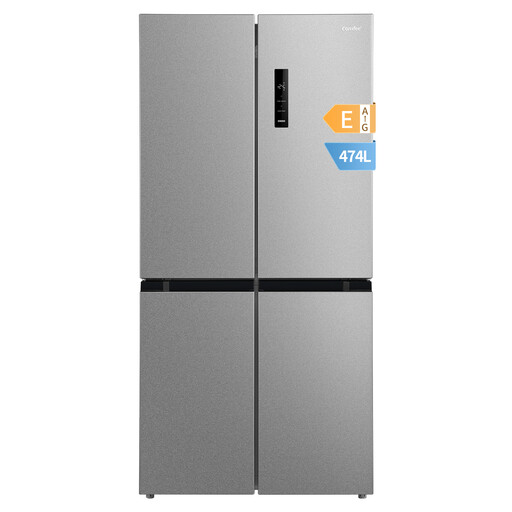 No image available
The stated total capacity of 474 litres may suit you if you need plenty of chilled storage; check how much of it is usable for your dishes.
Four doors; total capacity 474 litres; E energy rating.
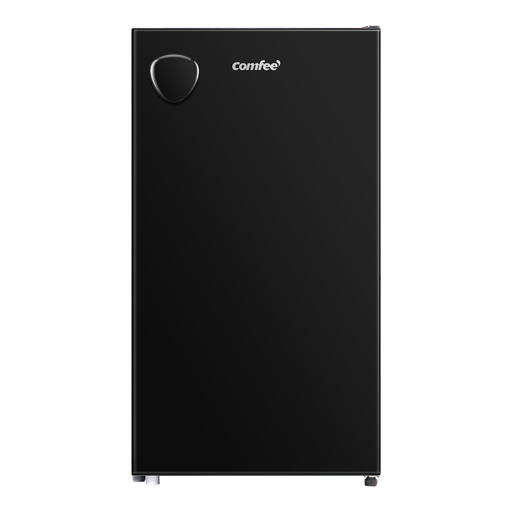 No image available
A compact fridge to consider if space is limited; measure your dishes and check that they fit the layout.
Capacity 88 litres; adjustable thermostat; reversible door; removable glass shelves. The product information states that the separate cool box should be used for a maximum of 2 hours.
 No image available
The stated width of 47 cm may suit a tight space; also check the clearance needed for the door and the shelf space.
Capacity 92 litres; 47 cm wide; seven temperature settings; adjustable glass shelves; E energy rating. The stated ambient temperature range is 16–38 °C.
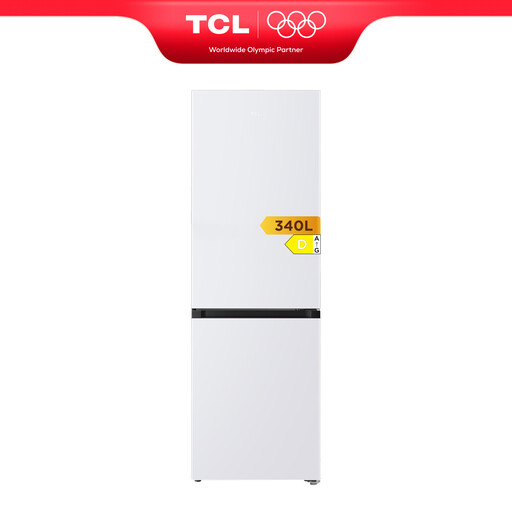 No image available
For chilled dishes, compare the fridge compartment rather than just the total capacity of the appliance.
Total capacity 340 litres: 223 litres of fridge space and 117 litres of freezer space; D energy rating.
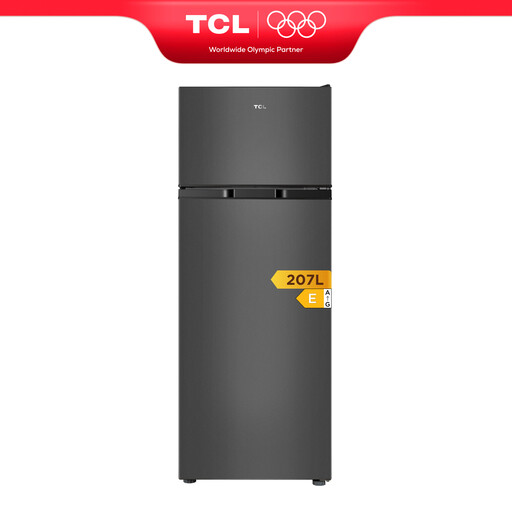 No image available
An option to compare if you need freezer space as well as chilled storage; check the separately stated fridge capacity for your salad.
Total capacity 207 litres: 167 litres of fridge space and 40 litres of freezer space; adjustable shelves; E energy rating.
The Voedingscentrum says that opened fresh fruit salad can be kept in the fridge for 2 days. Keep it well covered, set the fridge to 4 °C and check the temperature. If the salad is packaged, follow the label as well.
For home use, the Voedingscentrum advises placing a fridge thermometer on the bottom shelf and checking it after half a day or overnight. When selling perishable food at a market or event, the NVWA also says that simply reading the fridge display isn’t enough to check the temperature of the food.
Put perishable food back in the fridge as soon as possible. The Voedingscentrum advises not leaving food that spoils quickly out of the fridge for more than 2 hours, and discarding it afterwards. A fridge used for preparation won’t keep the dish cold while it’s on the table.
Only if the ambient temperature is within the range for which that specific model is suitable. Check the climate class and instructions, then compare them with the temperature where you plan to put it.
According to the NVWA, food safety rules apply when selling food or drink at a market or event, whether the seller is a business or a private individual. The NVWA requires anyone who prepares and sells food several times a year to have an HACCP food safety plan. These conditions for selling food do not, in themselves, establish that the same requirement applies to a one-off, non-commercial community meal.