
Host with a full fridge
Wants to keep cheese portions chilled alongside other dishes and first checks whether the existing fridge has enough space. The Netherlands Nutrition Centre (Voedingscentrum) recommends keeping your fridge at 4 °C.


First, check whether your cheese portions will fit in your existing fridge and whether it stays at 4 °C. You probably won’t need an extra fridge for a single meal. If you’re temporarily short on space, a compact model could work; if you regularly need more room, it may be worth comparing larger fridges. Weigh up the usable shelf layout, dimensions and suitable position against the extra electricity used by a second appliance.
Wants to keep cheese portions chilled alongside other dishes and first checks whether the existing fridge has enough space. The Netherlands Nutrition Centre (Voedingscentrum) recommends keeping your fridge at 4 °C.
Needs more room for a busy occasion and weighs up a compact fridge against the space available and the extra electricity it will use. Milieu Centraal points out that two refrigeration appliances use more energy together than one suitably sized appliance.
Needs more fridge space throughout the year, not just for special occasions, and compares the layout and dimensions with energy use. Milieu Centraal recommends considering your everyday needs when choosing an appliance.
A good fit if: the wrapped portions fit without crowding out your regular shopping, and the temperature is right.
The trade-off: you won’t need another appliance, but you’ll need to check the space and temperature in your full fridge.
A good fit if: you need extra shelf space temporarily and have a suitable place for it.
The trade-off: a second fridge uses extra electricity. If you’re placing it in an unheated room, its climate class must be suitable for the ambient temperature.
A good fit if: you’re regularly short on fridge space, even after the celebration.
The trade-off: a larger appliance needs more space. Capacity in litres alone won’t tell you whether your packaging will fit neatly on the shelves.
Measure your packaging and the space available before choosing a model. The Netherlands Nutrition Centre recommends 4 °C. Check the actual temperature with a thermometer rather than relying only on the temperature setting.
| What to consider | What to check before buying | Who is this most relevant to? |
|---|---|---|
| Cooling | Check the temperature controls and measure the temperature with a fridge thermometer. The Netherlands Nutrition Centre recommends leaving the thermometer in the middle of the bottom shelf for half a day or overnight. | If I want to keep cheese chilled, I need to know whether my full fridge reaches the right temperature. Around 36% of consumers prioritise reliable cooling for cheese portions. |
| Space and layout | Measure your largest containers and compare the usable fridge space and adjustable shelves; don’t look at the total capacity alone. | I want to store the portions neatly without pushing other food out of the way. Around 29% of consumers give top priority to having space for individual portions. |
| Position | Measure the height, width and depth, as well as the doorway. If you’ll be using the fridge in an unheated room, check that its climate class is suitable for the expected ambient temperature. | If space is limited, I need to know whether the appliance will fit and work in the spot available. Around 21% of consumers focus mainly on finding a suitable position. |
| Electricity use | Compare the energy label and annual consumption in kWh for appliances suited to the same needs. | I want to avoid extra capacity continuing to use electricity unnecessarily after the celebration meal. Around 14% of consumers prioritise ongoing electricity use. |
Extra capacity won’t automatically solve inadequate cooling. Milieu Centraal points out that two refrigeration appliances use more energy together than one suitably sized appliance.
First, measure the temperature in your full fridge and check that the wrapped portions will fit before choosing extra capacity.
An unnecessary second appliance means extra purchase costs and potentially higher electricity use.
The Netherlands Nutrition Centre gives different storage advice for types including hard cheese, sliced cheese and opened cream cheese.
Follow the label and the advice for the specific type of cheese. Keep portions wrapped and use clean utensils.
In an unheated room, the ambient temperature can affect how well a fridge works. Consumentenbond points out that the appliance’s climate class matters.
Check the climate class and compare it with the expected temperature in your chosen location before placing the appliance there.
The Dutch government states that there is no fixed statutory warranty period in the Netherlands and that you should contact the retailer if a product is faulty.
Read the terms of any additional cover and remember the legal rights you have with the retailer.
Additional cover may cost extra; compare its terms with the rights you already have.
According to Inventum, the KK1430B is a freestanding fridge with a 242-litre capacity and five shelves.
According to Liebherr, the Rd 4600 Pure is a freestanding model with a total volume of 298 litres, while the Rci 1620 Plus is an under-counter model with a total volume of 141 litres.
According to Samsung, the RR70H39FEFEF is a large freestanding, single-door fridge with a capacity of 387 litres.
This selection includes compact extra fridges and larger fridge-freezers for temporary or ongoing extra cooling space. Compare the usable fridge capacity and layout with the space you have at home.
 No image available
A compact option for extra chilled storage when you need it temporarily.
Capacity: 82 litres. The product information lists adjustable glass shelves and door storage.
 No image available
A larger fridge-freezer for anyone who needs freezer space as well as more room in the fridge.
Total capacity: 260 litres, including 187 litres of fridge space and 73 litres of freezer space. The product information lists a fridge temperature range of 2–8 °C, adjustable shelves and a width of 55 cm.
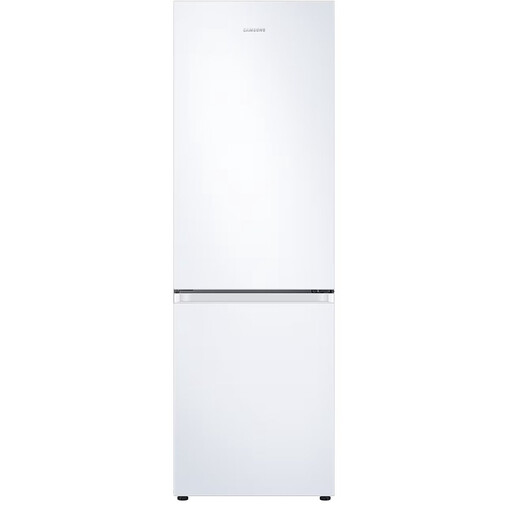 No image available
A fridge-freezer for comparing total capacity and the layout of several shelves and drawers.
Total capacity: 344 litres. The product information lists three shelves and two freshness drawers; the product name mentions No Frost and Wi-Fi SmartThings.
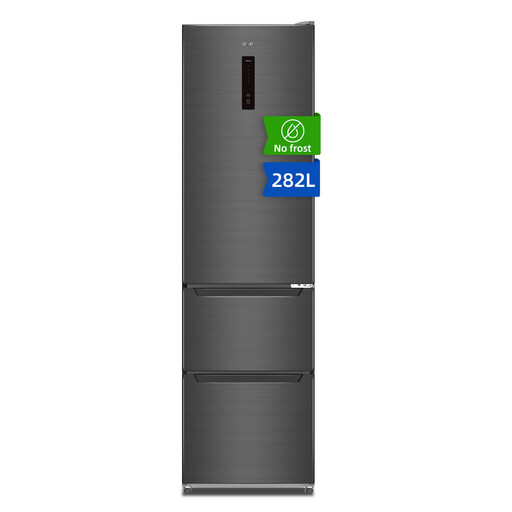 No image available
A fridge-freezer with separate fridge and freezer compartments for home use.
Total capacity: 282 litres, including 197 litres of fridge space and 85 litres of freezer space. The product information lists three shelves, a vegetable drawer and temperature controls.
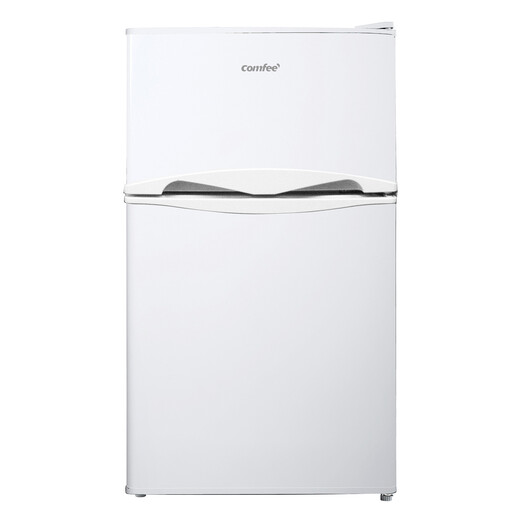 No image available
A compact fridge for anyone looking for temporary extra chilled storage and a layout that suits their portions.
The product information lists two removable glass shelves, a removable basket, an adjustable thermostat and a reversible door.
The Netherlands Nutrition Centre recommends 4 °C. Place a fridge thermometer in the middle of the bottom shelf and leave it there for half a day or overnight. Adjust the fridge if the temperature reading is higher.
The Netherlands Nutrition Centre recommends keeping hard cheese wrapped, preferably in cheese paper or reusable food wrap. Keep soft cheese chilled and follow the label and use-by date for the specific cheese; advice for opened cream cheese doesn’t necessarily apply to all soft cheeses.
Not without checking its climate class. Compare the ambient temperatures permitted by the manufacturer with the conditions in your chosen location.
According to the Dutch government, there is no fixed statutory warranty period in the Netherlands. If the appliance is faulty, you should contact the retailer; a manufacturer’s warranty does not replace your statutory rights.
The Netherlands Nutrition Centre says that soft cheese made from pasteurised or heated milk is safe during pregnancy. Check the label for ‘raw milk’ or ‘au lait cru’; soft cheese made with raw milk is considered safe if it has been heated thoroughly.