
Family with little spare freezer space
Wants to store portions of cheese and the occasional meal without making room for an unnecessarily large appliance.


You can freeze grated cheese, but if the portions and other meals fit in your existing freezer, you may not need another appliance. If you do need more space, choose based on the size of your total stock, how easy you want it to be to reach small portions, and where the freezer will go. Also compare the annual energy consumption and the permitted ambient temperature for the specific model.
Wants to store portions of cheese and the occasional meal without making room for an unnecessarily large appliance.
Regularly stores several portions and wants to keep small packs organised and easy to reach.
Wants to store larger quantities or awkwardly shaped packs, as well as cheese.
Choose this if: your portions of cheese and other planned meals already fit in your current freezer compartment.
The trade-off: you won't need a second appliance, but you should check that the space and layout are suitable.
Choose this if: you want to keep a modest amount of extra food and portions close to the kitchen.
The trade-off: a compact under-counter model usually offers less usable space than an upright freezer; check the dimensions and drawer layout.
Choose this if: you regularly store several family meals and want to find small packs in drawers.
The trade-off: capacity, height and features such as No Frost vary by model.
Choose this if: space for a large, varied stock matters more than being able to see every small portion at a glance.
The trade-off: small packs are usually less easy to reach than in an upright freezer with drawers. Also allow room for the lid to open upwards.
| What to consider | What to look for when buying | Who this matters to |
|---|---|---|
| Suitable extra capacity | Compare the usable capacity and external dimensions with the space available and the size of your total stock. | If I have limited floor or kitchen space, I want extra storage without choosing an appliance that's bigger than my needs. Around 30% of consumers say limited extra capacity is their main concern when buying. |
| Finding meal portions | Check the number and layout of the drawers and compartments, and compare them with the packs you store. | When I batch-cook family meals, I want to find small portions easily. Around 30% of consumers prioritise accessible meal portions. |
| Large, varied stock | Compare the capacity and floor space required. If you're considering a chest freezer, check how easy it is to reach small portions. | If I want to store large or awkwardly shaped packs as well as cheese, bulk storage matters more to me than being able to reach every small portion straight away. Around 20% of consumers say space for a large stock is their main concern when buying. |
| Energy use and location | Compare the annual consumption in kWh and, if placing the freezer in a cold room, check the permitted ambient temperature for the exact model. | If I want to put the freezer in a cold room or take energy use into account, I want to check both points in advance. Around 20% of consumers prioritise energy use or where the appliance will go. |
You can freeze grated cheese, but the amount of other frozen food you have also determines whether you need extra space.
First, work out how much space your current freezer compartment offers and what else you want to store.
According to buying advice from the Dutch Consumers' Association, the contents of an upright freezer are easier to reach than those of a chest freezer.
Choose based on the balance between bulk storage and how often you want to reach for small packs.
A claim about use at low ambient temperatures applies to the model named, not automatically to other models from the same brand.
Check the permitted ambient temperature in the specifications for the exact model.
Since 1 March 2021, the EU energy label for household fridges and freezers has used a scale from A to G, according to the European Commission.
Compare the current annual consumption in kWh and the capacity of the models you're considering.
The VR550 and VR1430B show the difference between a compact under-counter model and a larger upright freezer.
The GSN54DWCV is an example of an upright freezer for anyone who values drawers and flexible storage.
The CFc 1875 Plus is a chest freezer to consider for a large, varied stock.
The FNE1074N is an example of a compact under-counter model with a manufacturer claim about use in a cold room.
These under-counter freezers offer extra freezer space, with different capacities and layouts for portions and other frozen food.
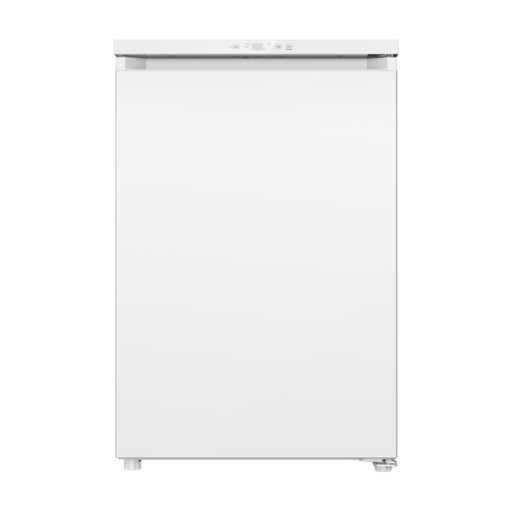 Image unavailable
An under-counter model for anyone looking for extra freezer space and automatic defrosting.
Capacity: 87 litres. Freezing capacity: 5 kg per 24 hours. 4-star freezer rating. No Frost. Energy class D.
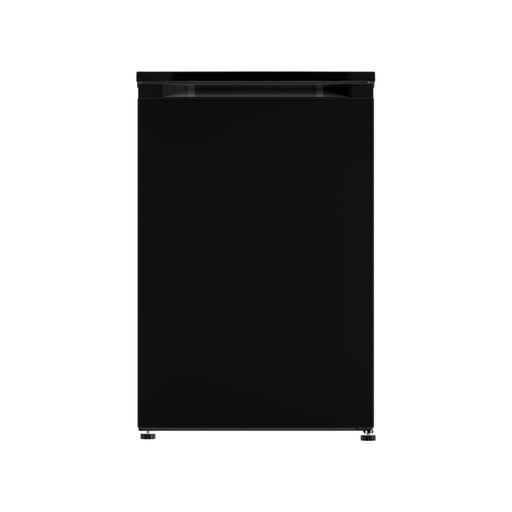 Image unavailable
The three drawers provide organised storage for small packs and portions.
Capacity: 85 litres. Three transparent drawers. Energy class C. Manual defrosting.
 Image unavailable
An under-counter model with three drawers to keep frozen food and portions separate.
Capacity: 87 litres. Three transparent drawers. Energy class B. Annual consumption: 84 kWh. No No Frost; manual defrosting.
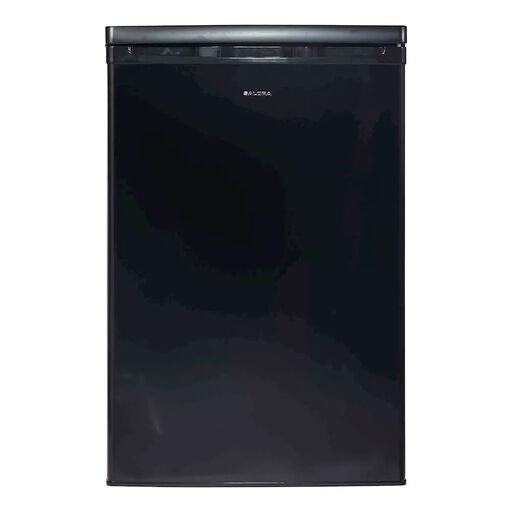 Image unavailable
The four drawers provide separate compartments for organising meal portions and other frozen food.
Capacity: 91 litres. Four transparent drawers. Freezing capacity: 4,4 kg per 24 hours. No No Frost.
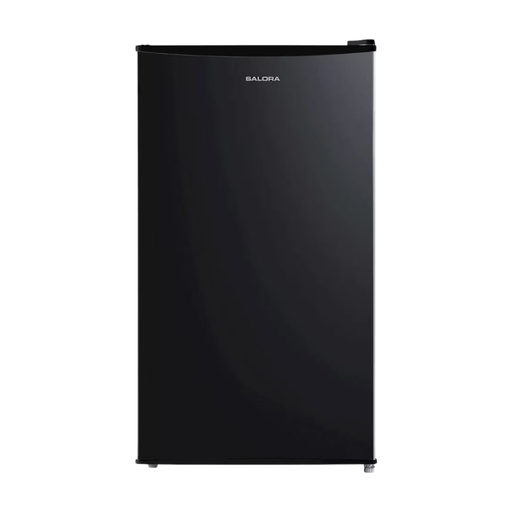 Image unavailable
A compact under-counter model with compartments for anyone looking for extra freezer space on a smaller scale.
Capacity: 60 litres. Layout: one transparent drawer and two flaps. Freezing capacity: 6 kg per 24 hours. No No Frost.
Yes, you can freeze grated cheese, according to the Netherlands Nutrition Centre. For an unopened pack, also check the storage instructions on the packaging; the same storage period doesn't automatically apply to every type of cheese and packaging situation.
The Dutch Consumers' Association recommends −18 °C as the ideal freezer temperature and notes that setting it colder uses more energy. This is storage advice, not a statutory minimum requirement established here for all models.
No. Don't assume a freezer is suitable based on its type alone. Inventum specifically states that the VR1430B is suitable for rooms down to −15 °C; check the stated operating conditions for every other model.
The current EU energy label shows details including the energy class, annual consumption, volume and noise level. In the Netherlands, you also have a statutory guarantee: according to the Dutch government, the seller must provide a solution if a product is faulty. Before buying, check whether a paid extended warranty really offers additional rights.