Who is this choice relevant to?

Manager of a growing recording archive

Wants to keep lecture files organised and match storage capacity to their recording volume and retention policy. Coolblue Netherlands describes external HDDs as an option for storing large numbers of files; the retention period also needs to be considered separately.

Staff member editing recordings

Regularly transfers large files or works from a drive that can be moved around. Check that the computer and cable support the connection required by the drive you choose; Samsung and Crucial specify SSD speeds in relation to compatible USB connections.

Manager of shared access

Needs to decide who can open recordings, how files are protected and when they are deleted. The Dutch Data Protection Authority advises that security measures should be based on a risk assessment and that personal data should not be kept for longer than necessary.

What should you consider when choosing?

External desktop HDD

Suitable for: a drive that stays in one place most of the time and needs to hold a growing archive. Coolblue Netherlands describes external HDDs as suitable for storing large numbers of files.

Bear in mind: a desktop model such as the Seagate Expansion Desktop needs a separate power adapter and is less convenient to carry around.

Portable external SSD

Suitable for: staff who regularly move large recordings or open them directly from the drive to edit. Coolblue Netherlands describes SSDs as faster for opening and transferring files.

Bear in mind: the computer port and cable must support the stated speed; manufacturers’ maximum speeds are not guaranteed real-world performance.

Consideration What should you check? Who is this most important for?
Space for the archive Add up the size of a representative week of recordings and compare it with the number of weeks you need to keep; allow room for growth. If I manage a growing archive, I want to know whether the storage matches the recording volume and retention period. Around 29% of consumers put capacity first.
A recoverable copy Decide where the originals and separate backups are kept, and who checks that files can be recovered. The NCSC advises keeping multiple versions of important data. If I don’t want to lose recordings if a drive fails or goes missing, I’ll plan a copy in addition to the archive drive. Around 29% of consumers prioritise recoverability.
Transferring and editing Check the USB ports and cables on the computers in use; treat stated speeds in MB/s as maximum specifications. If I regularly transfer large recordings or edit them from the drive, the connection will factor into my choice. Around 24% of consumers put workflow speed first.
Access to recordings Establish whether files contain personal data, who needs access and whether the chosen solution meets your security policy. If recordings show identifiable people, I want to manage access and deletion carefully. Around 18% of consumers prioritise access security.

Common mistakes

  • Confusing the archive drive with a backup

    If important recordings are stored on just one external drive, a fault or loss could also affect your only copy.

    Record where the originals and separate copies are kept, and regularly check that files can be recovered. The NCSC advises keeping multiple versions of important data.

    Planning the archive may need to include a separate storage location and time for ongoing management.

  • Choosing based only on the stated SSD speed

    A computer port or cable that limits the connection may prevent you from achieving the stated maximum speed in the studio.

    Check the connections on the computers staff will actually use to transfer recordings.

  • Assuming a shared drive is automatically secure

    If recordings contain personal data, appropriate security measures and retention periods depend on the purpose and risks of processing.

    Decide who needs access and document how access, loss and deletion will be managed. The Dutch Data Protection Authority advises basing security measures on a risk assessment.

    Access and key management require agreed procedures and ongoing oversight; the right security measures depend on the specific risk assessment.

Relevant brands for external storage

Seagate

The Expansion Desktop range is designed for anyone looking for archive storage in a fixed studio location.

  • For EMEA model STKP8000400, Seagate lists an 8 TB capacity and a limited two-year warranty in its data sheet.
  • The desktop version needs a separate power adapter. Check the warranty terms for the exact model and seller.

Samsung

The T7 Shield is a range of portable SSDs; the specifications described here apply to the black 2TB version, MU-PE2T0S/EU.

  • Samsung lists USB 3.2 Gen 2 and maximum read and write speeds of 1.050 MB/s and 1.000 MB/s respectively.
  • These are manufacturer specifications, not measured studio speeds. Check that the computer port supports the connection.

Crucial

The X9 Pro is a portable SSD option for workflows involving large files; the variant mentioned is CT2000X9PROSSD9.

  • Crucial lists a maximum speed of 1.050 MB/s and says that achieving the best speed requires a USB 3.2 Gen 2 host and a compatible USB-C cable.
  • Crucial says the product comes formatted as exFAT. Check that this suits your studio computers and security policy.

Joybuy products for this use

This selection includes portable SSDs and external hard drives for storing and moving lecture recordings. Choose based on the size of your archive, the connection and how staff use the files.

SanDisk Portable SSD 1 TB

SanDisk Portable SSD 1 TB

Suitable if you’re looking for a portable SSD and 1 TB meets the needs of your archive.

The product description lists read speeds of up to 800 MB/s and drop protection from heights of up to 2 metres.

View at Joybuy

WD Elements Portable 5 TB USB-C, graphite black

WD Elements Portable 5 TB USB-C – Graphite Black Worldwide

Suitable if you need a portable external hard drive with 5 TB for recordings and other files.

The product description lists USB-C, USB 3.2 Gen 1 and compatibility with Windows and Mac.

View at Joybuy
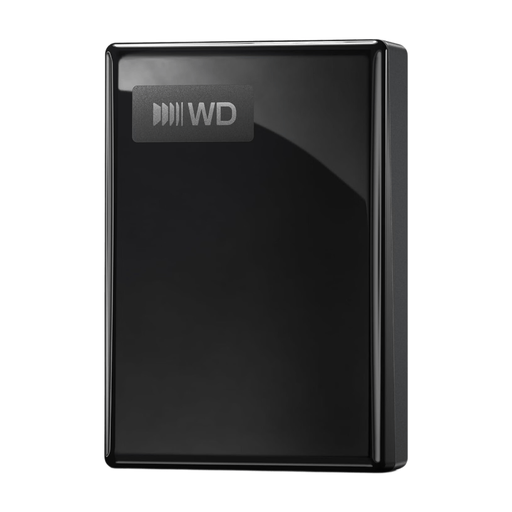
My Passport USB-C 1 TB, black

My Passport USB-C 1 TB – Black

Suitable if you’re considering a portable 1 TB drive with listed security features for shared recordings.

The product description lists hardware encryption and password protection. Assess whether the specific setup meets your security policy.

View at Joybuy

Western Digital My Passport USB-C 4 TB, black

Western Digital My Passport USB-C 4 TB – Black

Suitable if you need a portable 4 TB drive and want to factor security features into your choice.

The product description lists AES 256-bit hardware encryption, password protection and exFAT.

View at Joybuy
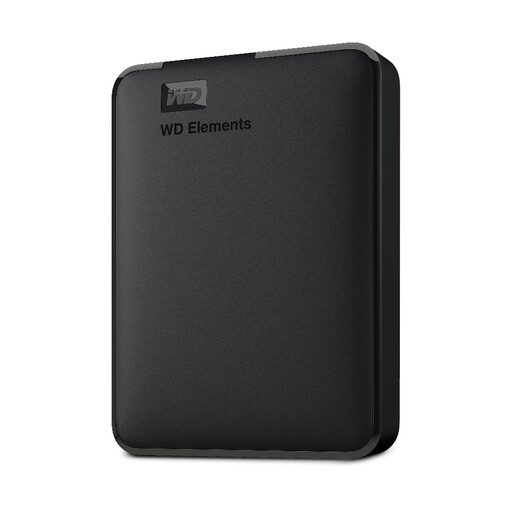
WD Elements Portable external hard drive 2 TB, USB 3.0

WD Elements Portable 2 TB, USB 3.0

Suitable if you need a portable external hard drive with 2 TB for lecture recordings and other files.

The product description lists compatibility with PC and Mac.

View at Joybuy

Frequently asked questions

Is one external drive enough to store lecture recordings?

Not if that drive contains the only copy of important recordings. The NCSC advises keeping three versions of important data: the originals and two backups. Decide where the separate copies will be stored and how you’ll check that they can be recovered.

What should I check before connecting the drive to different studio computers?

Check the ports, cables and file formats used by the computers. Crucial says the X9 Pro needs a USB 3.2 Gen 2 device to achieve its best speed, and that reformatting deletes data from the drive; the Seagate Expansion Desktop also uses a power adapter.

Is there always one set retention period for lecture recordings?

The retention period should reflect the purpose and the applicable rules. The Dutch Data Protection Authority says personal data must not be kept for longer than necessary, so establish the purpose and the specific rules that apply to your studio.

Can a shared studio simply store recordings featuring students?

First assess the specific recording and how it will be processed. The Dutch Data Protection Authority advises educational institutions to make arrangements covering matters such as purpose, access, security and retention periods. Its advice on recorded lessons warns against filming pupils or students without proper consideration. Choosing a drive does not, in itself, give you permission to record or share content.

What should I look for in a warranty and after-sales service?

Check the terms for the exact model and seller. Seagate lists a limited two-year warranty for the EMEA version STKP8000400 in its data sheet; this does not tell you which terms apply to a different version or seller.
