If your archive will mostly stay in one place, an external HDD may be suitable if your measured project size and expected growth fit within its capacity. You should also keep a separate copy that you can restore. An SSD is worth considering if you regularly move or use files on site, but stated speeds also depend on the computer and connection. In a shared workspace, check which computers can read the drive and who needs access to the files.
Who is this guide for?
Manager of a growing project archive
You want to be able to find research files over the long term, while also organising a separate backup that you can restore. Capacity and a manageable copying process may matter more than top speed. The Digital Trust Center advises against relying on a single storage location and recommends testing backups.
Team in a shared workspace
You need to keep files accessible to authorised users and potentially different computers, without unnecessarily exposing personal data. The Dutch Data Protection Authority stresses that organisations must determine appropriate security measures when processing personal data.
Researcher who takes files on the go
You regularly move project materials between your workspace and another location. The connection, transfer process and conditions during transit will all affect your choice.
What should you consider?
Start by measuring your existing project files and thinking about future growth and recovery. Then compare an HDD for an archive that will usually stay put with an SSD if you move files regularly. In either case, check access and compatibility across the shared computers.
| What to consider |
What should you check? |
Who is this more important for? |
| Archive capacity and recovery |
Measure the project folder, allow for growth, and decide where a separate copy will be kept and how you will restore it. |
I want to be able to find research files and avoid relying on a single drive. Around 33% of consumers put archive capacity and recovery first. |
| Access in the workspace |
Decide who needs access and check whether password or encryption features can be managed easily on the computers in use. |
If the archive contains personal data, I want to limit access to the people who work with it. Around 27% of consumers put access security first. |
| Taking files with you and transferring them |
Check that the USB port and cable are compatible, and whether protection from dust, splashes or drops is relevant to how you will use the drive. |
If I regularly take files with me or move them, the connection and conditions of use matter. Around 20% of consumers put portability and frequent transfers first. |
| Computer compatibility |
Check the operating systems, ports and file system; make a copy before reformatting, if needed. |
I want to open the archive on all the computers involved and exchange files. Around 20% of consumers give compatibility the highest priority. |
Common pitfalls
-
Thinking an archive drive is a complete backup strategy
An external HDD or SSD cannot prevent you losing files if that one drive fails or goes missing.
Decide in advance where you will keep a separate copy, and periodically try restoring files from it.
A separate copy requires extra storage space and time to copy files and test recovery.
-
Expecting the stated SSD speed on every computer
The maximum speeds Crucial quotes for the X9 depend on a suitable computer and connection. They are not guaranteed on every shared workstation.
Check the computer's port and cable before making speed a major factor in your choice.
-
Reformatting a drive without securing your files first
You may need a different format for the computers you plan to use. Crucial warns that reformatting deletes the data on the drive.
First check which computers will be used and make a copy. Then test that you can read and write files.
Brands to consider
Western Digital
The My Passport range includes portable HDDs for local archive copies. Check the connection and specification of the specific model.
- Western Digital lists a hardware encryption option for the models discussed.
- Western Digital lists NTFS as the default file system for the drives described; using them with macOS may require reformatting. The security feature does not replace access management or a separate copy.
Samsung
The Portable SSD T7 Shield is an SSD option for regularly transferring files, including when a protective casing is important.
- For the Dutch 1TB model MU-PE1T0R/EU, Samsung specifies USB 3.2 Gen 2, maximum sequential read and write speeds of 1.050/1.000 MB/s, and IP65.
- These are model specifications and manufacturer figures, not measured speeds on your computer or a guarantee against damage.
Crucial
The X9 Portable SSD is a USB-C option for files that you regularly move between computers.
- For the CT1000X9SSD9, Crucial lists a maximum read speed of 1.050 MB/s and exFAT formatting.
- Crucial says that speed depends on the computer and that reformatting deletes the data on the drive.
Seagate
The Expansion Portable range includes portable HDDs for extra storage and backups. Check the model number and regional version.
- Seagate lists 2 TB and a USB-C connection for the STNN2000400 range.
- Seagate says the warranty period may vary by region and that the data recovery service mentioned may not be available in every country.
Joybuy products for archiving
These products are suited to local archiving on an external HDD, with a portable SSD option for files you regularly take with you or transfer.
 No image available
Western Digital My Passport 6TB White
The stated capacity may suit a larger archive, provided it matches the measured project size and expected growth.
6 TB storage; USB 3.0; the product information lists 256-bit AES hardware encryption, password protection and automatic backup software.
Joybuy
 No image available
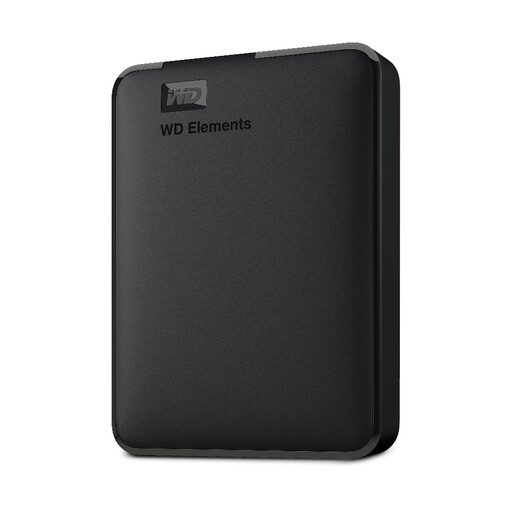
WD Elements 2TB
This portable HDD could be a local archive option if 2 TB suits the measured project folder and leaves enough room for the growth you expect.
2 TB storage; USB 3.0 according to the product name; the title states that it is formatted for PC and Mac.
Joybuy
 No image available
Toshiba Canvio Basics 4TB
A portable HDD for local storage and file transfers, provided its capacity suits the size of your project.
4 TB; 2.5-inch; USB Type-A / Micro-USB B; USB 2.0/3.2 Gen 1. The product information says reformatting may be required for use with macOS.
Joybuy
 No image available
Samsung MU-PE1T0R 1TB Blue
A portable SSD option for regularly transferring or taking files with you. Check that the USB-C connection is compatible with the computers in use.
1 TB; USB Type-C 3.2 Gen 2; Samsung lists IP65, drop resistance up to 3 metres and maximum read and write speeds of 1.050/1.000 MB/s. The product information limits water protection to temporary exposure; it is not designed for prolonged immersion.
Joybuy
Frequently asked questions
Is one external drive enough to archive the project?
Not if that drive would be the only remaining copy. The Digital Trust Center advises keeping backups in different locations and testing them by restoring files. Choose a testing schedule based on how much new work you could afford to lose.
How can I use a drive with both Windows and Mac?
First check which operating systems are used in the shared workspace. Western Digital recommends exFAT for use with both Windows and macOS. Make a copy before reformatting, as Crucial warns that reformatting deletes the existing data on the drive.
Does a Dutch garden research project always need to use an encrypted external drive under the GDPR?
No, there is no single product requirement that applies to every project. If an organisation processes personal data, the Dutch Data Protection Authority says it must determine appropriate security measures based on the processing and the risks. As well as considering encryption, assess who needs access in the shared workspace.
What should I check about the warranty or data recovery?
Check the terms for the exact model and sales region. Seagate says the warranty period may vary by region and that the recovery service mentioned may not be available everywhere. A recovery service is no substitute for a separate backup.


