
Vandaag of morgen in huis

Kwaliteit gegarandeerd

Welkomstaanbiedingen ontgrendelen: GRATIS bezorging | Tot 80% korting | Gratis 30 dagen JoyPlus-proefperiode
Download de app
A bottle of exotic soft drink can look appealing thanks to a striking colour, foreign packaging or a promise of tropical flavour. Yet the front of the bottle often tells you very little about what's inside. If you order on a whim, you could end up with a drink that's far sweeter than expected, has a small volume, or simply doesn't suit how you plan to use it.
With this practical guide, you'll learn to focus on the information you can check: flavour, volume, sugar content, ingredients, packaging and storage instructions. That way, you can find the perfect tropical soft drink, Asian soft drink or other international soft drink for your daily treat, party or meal.
Mango, passion fruit, lychee and guava sound fruity, but the amount of juice or purée varies from product to product. So always check the ingredients list. For example, Rubicon Sparkling Mango contains 8% mango purée, while Rubicon Passion Fruit contains 4% passion fruit juice from concentrate. The rest is made up of carbonated water, sugar, acids, flavourings and other permitted ingredients.
A clear fruit flavour can therefore be built mainly from flavourings. That's not necessarily a problem, but it helps to set your expectations correctly.
Japanese ramune, glass bottles of Mexican soft drinks and small Asian cans are ideal for a tasting moment or a gift set. Their volume is often around 200 to 370 ml. For a party or everyday use, a multipack or larger bottle can be more practical.
So compare the price per litre, not just per bottle. When ordering online, also pay attention to the number of units in the pack. A product name with "x 6", "x 12" or "x 24" makes a big difference to the final cost.
A fruity soft drink can contain sugar, sweeteners or both. Jarritos Mango lists 25 grams of carbohydrates and 25 grams of sugar per 100 ml. Rubicon Sparkling Mango lists 13 grams of sugar per 100 ml. If you're looking for a less sweet option, it's best to compare the nutritional information table alongside the ingredients list.
Also look out for terms like sucralose, acesulfame-K, E950 and E955. These indicate that a product is sweetened wholly or partly with sweeteners. With syrups, you also need to check whether the nutritional values apply to the concentrate or to the prepared drink.
First, choose the flavour type you want:
The origin is mainly useful if you're looking for a particular eating experience. Always check the current packaging for allergens and nutritional values.
Look per 100 ml at:
For example, the product information for G'woon Clear Lemon states 1 kcal and 0 grams of sugar per 100 grams, but it does contain sweeteners. Raak Multi-Fruit Lemonade is a sugar-free syrup according to the product information and is designed to be diluted with water. This means the amount you use is important for a fair comparison.
A glass bottle can be suitable for serving, while cans are handy for stocking up and portioning. Once opened, carbonated soft drinks should generally be stored in the fridge and used within the period stated on the label.
When you receive your order, check:
The information on a website may differ from the current packaging. So always read the label, warnings and ingredients before consuming the drink.
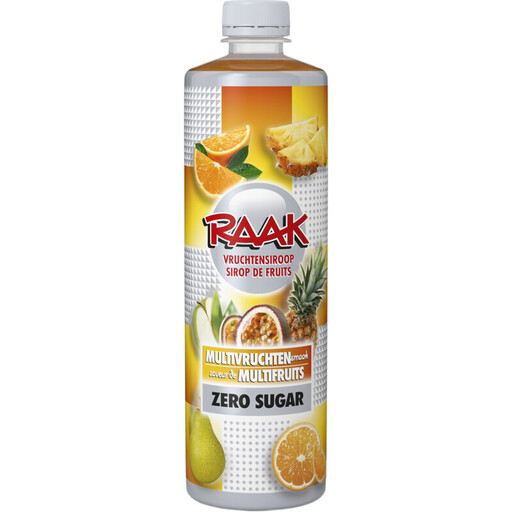
Why this fits the profile: The bottle is designed to make around 30 glasses, so you can prepare the drink as and when you need it. The combination of apple, orange, passion fruit, pineapple and pear offers an easy introduction to fruity soft drinks.
You're not buying individual small bottles for a single drink. The product information also states 0 grams of sugar and 1 kcal per 100 grams; check the dilution ratio on the label.
Syrup for around 30 glasses, multiple fruit varieties, vegan and gluten-free according to the product description.
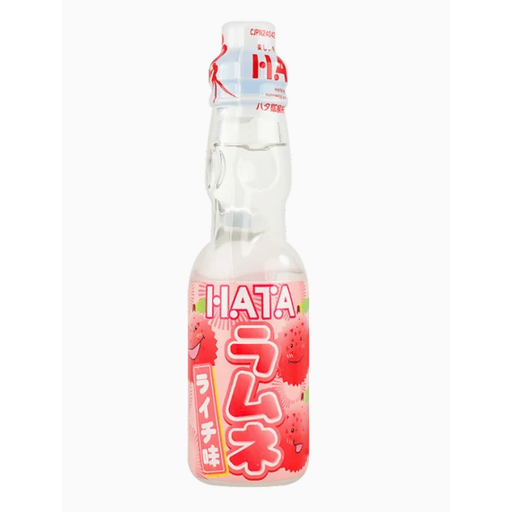
Why this fits the profile: This Japanese soft drink is all about a special serving experience. The lychee flavour, fizz and 200 ml size are perfect for a tasting, a gift, or alongside a hotpot or barbecue meal.
The volume is clearly stated, so you won't mistake a small tasting size for a family pack. The ingredients list includes lychee flavouring, sugar and glucose syrup.
Japanese ramune format, 200 ml per bottle and a distinctive lychee flavour with fizz.
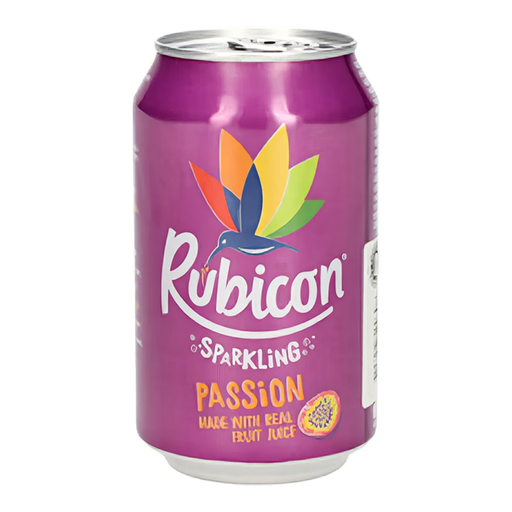
Why this fits the profile: According to the product information, this pack contains 24 cans of 330 ml. That's practical for stocking up, group occasions or using alongside a variety of international dishes.
The multipack means you don't have to combine several individual packs for a party. The nutritional information states 4.5 grams of sugar per 100 ml; compare this with your preference beforehand.
24 cans of 330 ml, passion fruit juice from concentrate and a carbonated format.
We've put together a full, up-to-date list of products that fully meet these strict selection criteria and comply with current European safety regulations.
Passion fruit is often a logical choice because of its combined sweet and sour profile. Rubicon Passion Fruit states 4% passion fruit juice from concentrate. A yuzu-lychee lemonade could also work if you're looking for a citrus base with a floral fruit flavour.
Store an opened bottle or can in the fridge and consume the drink within the period stated on the packaging. Seal a bottle well to minimise loss of fizz. Always check the seal, best-before date and current storage instructions before use.
Compare the price per litre, the number of packs and the volume per unit. Also check the ingredients, nutritional values and allergen information. Pay extra attention to multipacks: a product image might show one can, while the offer contains multiple units. If in doubt, the information on the physical label is what counts.
If you compare flavour, sweetness and packaging side by side beforehand, buying soft drinks online becomes much clearer. That way, you can choose an exotic variety that not only sounds appealing, but also suits your budget and how you plan to enjoy it.
