
Vandaag of morgen in huis

Kwaliteit gegarandeerd

Welkomstaanbiedingen ontgrendelen: GRATIS bezorging | Tot 80% korting | Gratis 30 dagen JoyPlus-proefperiode
Download de app
A distinctive bottle or colourful can can quickly catch your eye. But an eye-catching label tells you little about the flavour, sugar content or whether it’s suitable for a party. If you’re buying exotic soft drinks online, it’s worth checking a few key details first.
Many drinks from abroad also come in different sizes from those you’ll find in the Netherlands. A 200 ml bottle can be handy for a tasting, while a case of 24 cans is better suited to a larger group. Use the checklist below to compare fruity soft drinks, Asian soft drinks, American soft drinks and other drinks from abroad.
Names such as mango, lychee, pineapple or passion fruit set clear expectations. In practice, a drink may contain mainly flavouring and only a small percentage of fruit juice. So check the ingredients list and the stated quantity, such as “10% pineapple juice” or “5% lemon juice from concentrate”.
A fruit-flavoured soft drink may therefore taste sweeter, sharper or more artificial than you expect. That isn’t necessarily a problem, but it can help you predict the flavour more accurately.
A multipack may look like good value, but always compare the price per litre. Twelve 355 ml cans contain a different total volume from 24 glass bottles of 200 ml. Cans are practical for a party; for a meal or a gift, a smaller glass bottle may be a better fit.
Also look out for the difference between fizzy soft drinks, fruit drinks and flavoured mineral water. These categories don’t have the same flavour or ingredients.
Terms such as “natural”, “authentic” or “without certain additives” should be read in the context of the label. A brand’s claim isn’t an independent finding. For example, Uludağ says that, according to the brand’s own information, its drinks are made without certain preservatives and with beet sugar. Always check the current packaging before buying, as product information or recipes may change.
For imported drinks, ingredients, nutritional information, allergens and the responsible importer are especially important. The product page is useful for an initial selection, but the packaging is the definitive source.
First decide what kind of drink you’re looking for:
Then check the juice percentage, flavourings used and sugar content. Nutritional information is usually given per 100 ml. To compare products fairly, multiply that figure by the volume of the bottle or can.
For one person, packs of 200 to 350 ml are easy to manage. Larger bottles or multipacks are more useful if you need soft drinks for a barbecue, birthday or film night.
Keep these points in mind:
Check the ingredients, nutritional information, best-before date and storage instructions. Some soft drinks contain colourings such as E102, E110, E133 or Red 40. If a product carries a warning about colourings, follow the information on the label, especially if you’re buying the drink for children.
Even if no allergens are listed, that doesn’t mean you can skip checking the label. Ingredients and packaging can change, so check the latest product information before serving the drink.
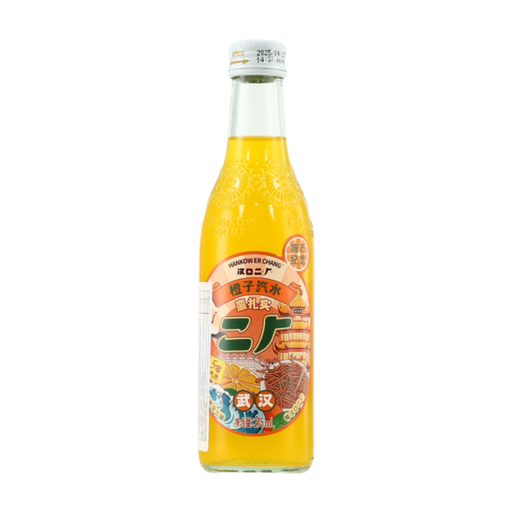
Why it suits this buyer: A compact size for trying a Chinese orange-flavoured soft drink without having to buy a large multipack straight away.
The product information states that it contains at least 2.5% orange juice and comes in a 275 ml bottle, so you can get an idea of the flavour and quantity in advance.
275 ml per bottle, orange and apple components, and around 31 kcal per 100 ml according to the product information provided.
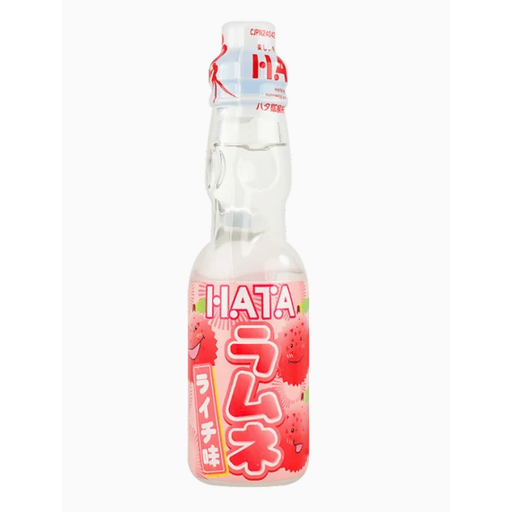
Why it suits this buyer: The Japanese ramune bottle makes a distinctive addition to a tasting, a gift or a meal featuring Asian dishes.
The small size means you don’t have to buy a large supply before finding out whether the sweet-and-tart lychee flavour is to your taste.
Japanese origin according to the product description, a 200 ml volume and a fruity lychee flavour with fizz.
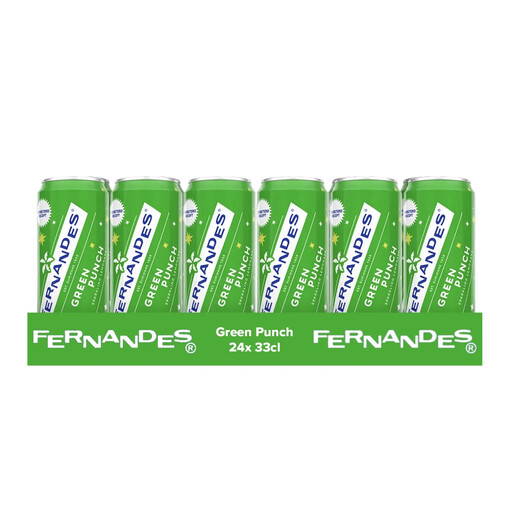
Why it suits this buyer: A large multipack for parties, gatherings or households where a tropical fizzy drink is served regularly.
The quantity is clear upfront: 24 cans of 330 ml. This makes it easier to plan your stock and compare the price per litre than with individual bottles.
24 servings of 330 ml, a Green Punch fruit profile and around 42 kcal per 100 ml according to the product information.
We’ve put together a full, up-to-date list of products that meet these strict selection criteria and the applicable European safety requirements.
It depends on what you like. Fanta Peach, Fanta Grape and Jarritos Guava are clear fruity choices. For a more tropical profile, try Fanta Pineapple, FOCO Mango Passion Fruit or Fernandes Green Punch. Check the sugar content and fruit percentage if you want a more accurate idea of the flavour.
Store unopened bottles and cans in a cool, dry place, away from direct sunlight. Once opened, drinks should generally be kept in the fridge. It’s best to consume them within the period stated on the packaging. Also check that the seal is intact and note the best-before date.
A multipack may work out cheaper per litre, but that isn’t always the case. Compare the total price, volume, delivery costs and number of servings. If you’re trying a drink for the first time, a small bottle or a mixed order is often more practical than buying a large supply straight away.
