
Vandaag of morgen in huis

Kwaliteit gegarandeerd

Welkomstaanbiedingen ontgrendelen: GRATIS bezorging | Tot 80% korting | Gratis 30 dagen JoyPlus-proefperiode
Download de app
Buying an exotic fruit drink seems simple, until you are faced with a shelf or online selection featuring mango, lychee, guava, coconut and passion fruit. The packaging often shows a large, colourful fruit, while the actual fruit juice content can vary considerably. Terms such as “no added sugar” or “natural” do not always tell the whole story either.
This practical guide helps you compare tropical fruit drinks based on fruit percentage, nutritional values, packaging and occasion. That way, you can avoid paying for a flavour that does not match your expectations.
A mango on the front does not automatically mean that the drink is mainly made from mango. Check the ingredients list and look at the percentage of juice, purée or concentrate. According to the product information, Rubicon Mango Drink contains 8% mango purée. Maaza Guava lists 16% guava juice from concentrate.
You can taste and feel the difference. If you are looking for a distinctive mango drink, it is better to compare the actual fruit content rather than relying solely on the product name.
A product with no added sugar may still contain sugars from fruit or sweeteners. Iam Superjuice Mango lists 30% mango juice, steviol glycosides and 17 kcal per 100 ml. This makes it different from a drink containing sugar, but it is not automatically suitable for every preference.
Always check the table showing carbohydrates and sugars per 100 ml. This allows you to compare mango, guava and passion fruit drinks fairly.
A 190 to 330 ml can or pouch is convenient for travelling, lunch or a picnic. A 1 or 1.5-litre carton is better suited to a family or party, but it must be refrigerated after opening and used within the stated period.
Also consider the type of packaging. A pouch is lightweight and easy to carry; a can is practical for single use; a carton is generally more convenient when several people are sharing the drink.
Not every exotic soft drink is fruit juice. Check whether it is:
For example, according to the product description, Dimes Apricot Drink contains more than 40% apricot purée. This is a different product composition from a lightly sparkling watermelon drink made with concentrated juice.
Compare the nutritional value per 100 ml, not just per pack. A 330 ml can contains approximately three times the values shown on the label per 100 ml.
Look out for terms such as:
This information does not determine whether a product is suitable for you or healthy, but it does help you match your purchase to your taste and dietary preferences.
Check the current packaging for allergens. According to the online product information, some tropical fruit drinks contain none of the 14 main EU allergens. Other products may contain milk ingredients. For example, Taksi Tropical Fruit lists milk as an allergen.
The packaging remains the definitive source, as labels and recipes may change. Store unopened drinks according to the instructions, away from direct sunlight and excessive heat. Many products need to be refrigerated after opening. Also check the use-by date and do not use a pack if the seal is damaged before opening.
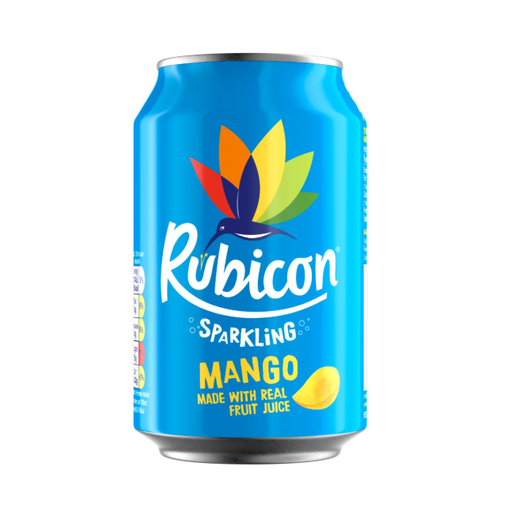
Why it suits this profile: A compact can size for trying a mango drink without immediately buying a large carton.
The product information states that it contains 8% mango purée, with 20 kcal and 4.5 g of sugar per 100 ml. You can therefore check the fruit flavour and nutritional values in advance.
330 ml, a recognisable mango flavour and a nutrition table per 100 ml.
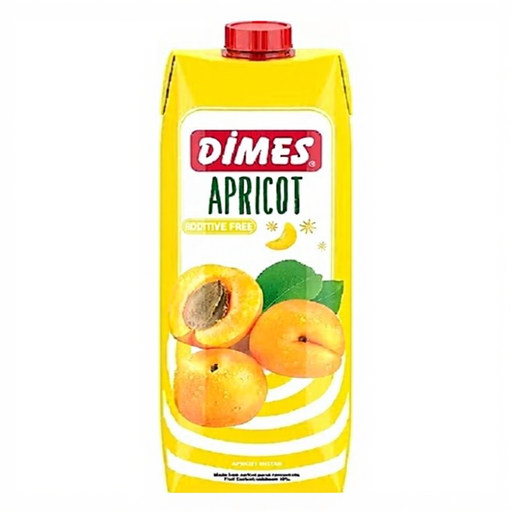
Why it suits this profile: For anyone who values a larger format and a clearly stated purée component in a Turkish fruit drink.
According to the product description, this drink contains more than 40% apricot purée. This makes its composition clearer than packaging that merely highlights a fruit flavour.
1 litre, over 40% apricot purée according to the product information, and best served chilled.

Why it suits this profile: A tray of 12 cans is ideal for parties, sharing and consumers who regularly enjoy an Asian fruit drink.
The product information states that it contains 30% passion fruit juice, no added sugar and 17 kcal per 100 ml. Check the current packaging for the full ingredients list.
12 × 330 ml, 30% passion fruit juice according to the product description, and suitable for serving chilled.
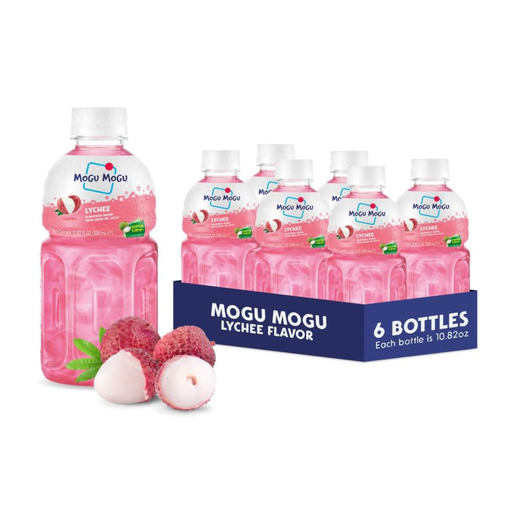
Why it suits this profile: For anyone looking for more than an ordinary lychee drink and who enjoys nata de coco pieces in their drink.
The product name and ingredients information mention both lychee flavour and nata de coco. This makes the texture clearer in advance than with a standard fruit drink.
Six 320 ml bottles, lychee flavour and nata de coco as an additional ingredient.
We have put together a complete, up-to-date list of products that fully meet these strict selection criteria and the applicable European safety regulations.
Fruit juice consists mainly of juice, which may be made from concentrate. A fruit drink may also contain more water, sugar, sweeteners, flavourings or stabilisers. Therefore, check the fruit percentage and ingredients list.
Always follow the instructions on the packaging. In many cases, the drink must be refrigerated after opening and consumed within the stated period. Do not use a pouch, can or bottle with a damaged seal.
That depends on the number of guests and when you plan to serve it. Small cans and pouches are practical for individual portions. For a family or larger group, 1-litre packs or a tray containing multiple cans are often more convenient. Compare the total volume, not just the price per pack.
