
Vandaag of morgen in huis

Kwaliteit gegarandeerd

Welkomstaanbiedingen ontgrendelen: GRATIS bezorging | Tot 80% korting | Gratis 30 dagen JoyPlus-proefperiode
Download de app
Exotic fruit drinks are available online in a wide range of flavours, packaging and styles. Think of a tropical fruit drink with mango or passion fruit, an Asian soft drink with lychee, a Mexican soda, or a multipack for home use. The difference between a good buy and a disappointment often lies not in the eye-catching packaging, but in the ingredients list, nutritional values and contents.
The name mango drink, guava drink or passion fruit drink doesn't tell you how much fruit is actually inside. Always check the percentage of fruit juice, purée or concentrate. For example, Maaza Guava Fruit Drink states 16% guava juice from concentrate. Iam Superjuice Mango and Passionfruit states 30% fruit juice. That doesn't automatically make these drinks suitable for everyone, but it does give you a useful point of comparison.
Also pay attention to the difference between:
A sugar-free fruit drink contains no sugar according to the nutrition label, whereas a product with no added sugar can still contain natural sugars from fruit. Iam Superjuice Mango, Passionfruit and Pink Guava are offered with no added sugar. The product information states approximately 17, 17 and 16 kcal per 100 ml respectively.
Always compare the nutritional value per 100 ml. A 330 ml can contains more than three times the amount shown in the table. This way, you avoid a low figure per 100 ml giving you a misleading impression of your total intake per pack.
A soft drink multipack is handy for a party, family or regular stock. However, for a first try, a box of 12 or 24 cans might be less suitable. Consider:
For everyday use, 1 or 1.5 litre packs are convenient with meals. Small cans and pouches are better for on the go or for dividing into portions more easily.
Start with the ingredients list. Ingredients are listed in descending order of quantity. If sugar appears before the fruit component, it's probably not a drink with a high fruit content. Also check for the presence of milk, soya, sweeteners, preservatives and colourings.
With Mogu Mogu Lychee Drink with Nata De Coco, for example, you get not only lychee flavour but also nata de coco, a coconut-based jelly. This creates a different drinking experience from a smooth fruit juice. If you're expecting a drink without bits, you could be disappointed.
Use the table per 100 ml to compare different products fairly. Pay particular attention to:
Capri-Sun Multivitamin, for example, states 30 kcal and 7.1 grams of sugar per 100 ml. The multipack contains 200 ml pouches, so the amount per pouch differs from the table on the label. If you're choosing a sugar-free or low-calorie option, also check whether the product contains sweeteners. "Without sugar" doesn't automatically mean "without sweeteners".
Check whether it's a can, bottle, pouch or carton. A pouch like Ice Talk Watermelon 230 ml is compact and ideal for on the go. A 1.5 litre carton, such as Taksi Tropical Fruit Juice, is better suited to a meal or shared use.
Once opened, many fruit drinks need to be kept refrigerated and consumed within the time stated on the packaging. This is especially important for dairy drinks. Always check the allergen information too. LOTTE Milkis Melon states it contains milk and soya according to the product information, and may contain traces of egg, gluten, peanuts, sulphites and nuts.
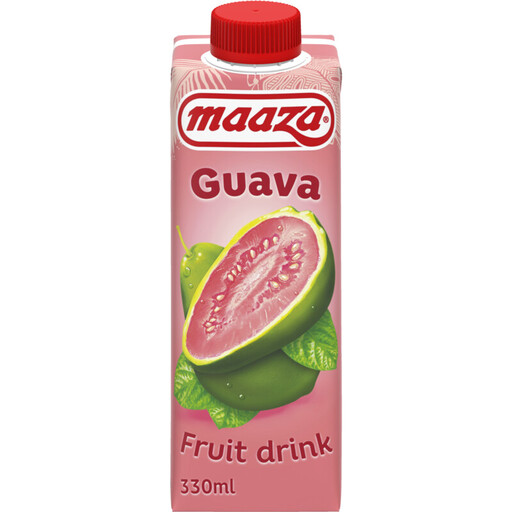
Why this fits the profile: The 330 ml bottle is a manageable way to try guava flavour without buying a large quantity straight away.
The stated guava percentage and ingredients list make it clear what you're buying; the drink isn't presented as pure fruit juice.
16% guava juice from concentrate, 29 kcal per 100 ml and none of the 14 major EU allergens according to the product information.
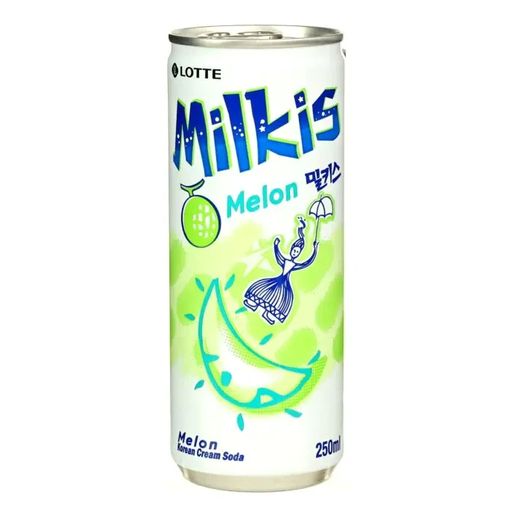
Why this fits the profile: This Japanese and Korean drink is designed for those looking for an unusual combination of fizz, melon flavour and creaminess.
The product information clearly states milk powder and soya. This means you can factor the creamy composition into your decision beforehand.
250 ml per can, carbonated, melon flavour and 48 kcal per 100 ml according to the stated nutritional values.

Why this fits the profile: The tray format suits a regular stock for meals, visitors or multiple drinking occasions.
The fruit content, absence of added sugar and portion size are all stated in the product information.
30% passion fruit juice, 17 kcal per 100 ml and 12 cans of 330 ml per tray.
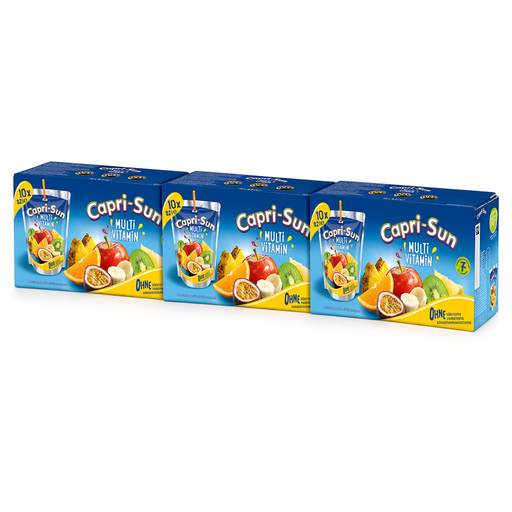
Why this fits the profile: The individual 200 ml pouches are easy to hand out at a children's party, picnic or family occasion.
The multipack is divided into portions, so you don't have to open and chill a large bottle each time.
Mix of citrus and tropical fruit flavours, 10% fruit content and, according to the product information, no artificial sweeteners, preservatives or colourings.
We've put together a full, up-to-date list of products that fully meet these strict selection criteria and comply with current European safety regulations.
Fruit juice consists largely of juice, possibly from concentrate. A fruit drink may also contain more water, sugar, flavourings or sweeteners. Check the fruit percentage and ingredients list before you order.
That varies by product and portion. Iam Superjuice Pink Guava states 16 kcal per 100 ml. The Mango and Passionfruit variants state 17 kcal per 100 ml. Always check the current label, as recipes and nutritional values can change.
Follow the instructions on the packaging. Many fruit drinks need to be kept refrigerated after opening and consumed within a few days. With products containing milk, such as Milkis or Taksi, pay extra attention to the temperature and the stated use-by period.
