
Vandaag of morgen in huis

Kwaliteit gegarandeerd

Welkomstaanbiedingen ontgrendelen: GRATIS bezorging | Tot 80% korting | Gratis 30 dagen JoyPlus-proefperiode
Download de app
You're in the supermarket or browsing online, and your eye catches a colourful can with a picture of a juicy mango or a tropical island. The promise of a unique taste experience is tempting. But how often does the content turn out to be a letdown? Before you fill your shopping cart, it's wise to know what to look for.
Many exotic drinks look more appealing than they actually are. Some common pitfalls include:
To avoid making a bad purchase, you can check a few objective specifications on the packaging. This will help you separate marketing hype from facts.
The amount of real fruit in a drink is a good indicator of its quality. Look for the fruit juice content on the label. A drink with 25% mango juice will typically have a richer and more authentic flavour than a version with only 5% juice and lots of added flavourings. Products with a higher percentage of fruit puree or juice often provide a better taste experience.
The order of ingredients is important: what's listed first is most abundant. If sugar (or glucose syrup) is listed as the first or second ingredient, the drink is likely very sweet.
Looking for an aloe vera drink or a drink with nata de coco? Check the percentage of these ingredients. Brands like OKF and Kato often state the percentage of aloe vera gel or nata de coco, so you know what to expect in terms of texture and bite.
A quick and effective way to compare drinks is to check the sugar content per 100 ml. A typical soft drink contains about 10 grams of sugar per 100 ml. Use this as a reference point. A tropical fruit juice with significantly less sugar can be a more mindful choice if you want to limit your sugar intake. This makes it easier to make a choice that fits your preferences, whether you want to order soft drinks online or are standing in the store.
Based on product specifications, we have selected a few options that cater to different preferences.
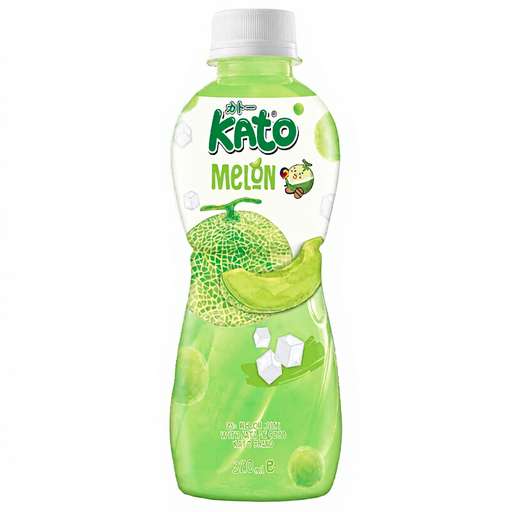
Why This Fits Their Persona: For those who look beyond just flavour and seek a drink with a surprising bite. The combination of melon juice and the chewy nata de coco pieces offers a unique drinking experience you don't often find.
While some drinks with bits can be disappointing, Kato specifies 15% nata de coco. This ensures a distinct texture that makes drinking more fun. You get what you expect: a drink and a snack in one.
Contains 25% melon juice for a fruity flavour. The combination of juice and chewy nata de coco provides a distinctive experience.
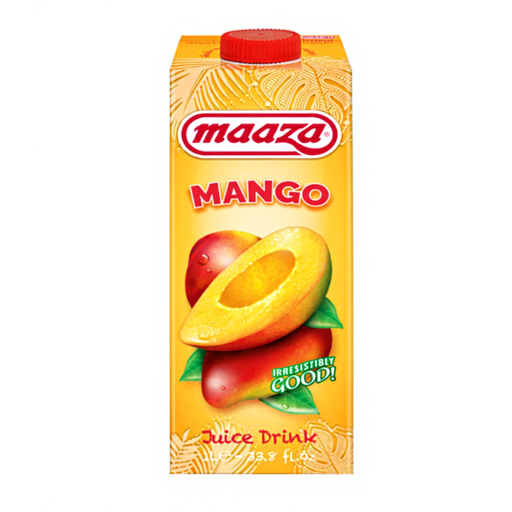
Why This Fits Their Persona: Perfect for those seeking the authentic, sweet taste of mango without too much fuss. A reliable choice for a classic mango juice, ideal for breakfast or as a refreshment in between meals.
This drink is made from 17% mango puree, which ensures a rich and full flavour. It avoids the pitfall of a 'watery' taste sometimes found in drinks based mainly on water and flavourings.
Made from real mango puree for a full, authentic taste. The large one-litre pack is convenient for sharing with family or friends.
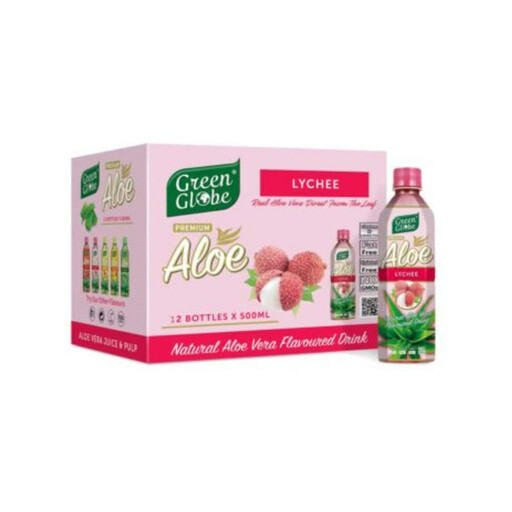
Why This Fits Their Persona: Ideal for those who have found their favourite lychee drink or aloe vera drink and like to keep a stock at home. By buying in bulk, you save money and never run out.
This drink combines 21% organic aloe vera juice with 9% aloe vera gel, ensuring a good balance between flavour and texture. Its sugar content of 9 grams per 100 ml is a mindful choice compared to many other sweet drinks.
Value pack of 20, ideal for the pantry. Contains both aloe vera juice and gel for a complete experience.
We have compiled a complete, up-to-date list of products that meet these selection criteria. Discover more unique flavours and find your new favourite.
Coconut water is the clear, slightly sweet liquid found inside young, green coconuts. It is naturally hydrating and has a thin consistency. Brands like Foco and Sagiko often offer this. Coconut milk, on the other hand, is made from the grated white flesh of ripe, brown coconuts. It is creamier, richer in fat, and often used in Asian cuisine. If you're looking for a refreshing thirst-quencher, buying coconut water is the right choice.
Once opened, Asian drinks and tropical fruit juices should always be kept tightly sealed in the refrigerator. Most can be kept for a few days (usually 3 to 5) after opening. Always check the label on the packaging for the manufacturer's specific storage instructions.
Nata de coco is a chewy, translucent, jelly-like product originating from the Philippines. It is made through the fermentation of coconut water. It has a neutral taste and absorbs the flavour of the syrup or juice it is preserved in. It gives a drink with bits a fun, chewy texture that is popular in many Asian desserts and beverages.
