
Vandaag of morgen in huis

Kwaliteit gegarandeerd

Welkomstaanbiedingen ontgrendelen: GRATIS bezorging | Tot 80% korting | Gratis 30 dagen JoyPlus-proefperiode
Download de app
Ordering a tropical fruit drink, coconut water or Mexican soft drink online may seem straightforward. Yet products vary considerably in ingredients, sugar content, serving size and packaging. A prominent fruit flavour does not automatically mean that you are buying a drink with a high juice content. Terms such as “no added sugar” also do not necessarily mean that a drink is sugar-free.
As a Joybuy Product Recommendation Officer, I screen product information for practical details. This helps you compare exotic drinks based on verifiable specifications rather than packaging or marketing copy alone.
Passion fruit, mango or lychee drinks may consist of water, sugar, flavourings and a relatively small percentage of juice. Always check the ingredients list and juice percentage. For example, Iam Superjuice Passionfruit lists 30% natural passion fruit juice. The Iam Superjuice lychee, mango and pink guava variants also list 30% juice.
Other drinks contain different proportions. According to the product information, Capri-Sun Orange contains 10% concentrated fruit juice, while Jarritos Passion Fruit is primarily marketed as a carbonated soft drink.
A fruit drink with no added sugar may still contain naturally occurring sugars. According to the product description, Iam Superjuice Passionfruit contains “no added sugar” and 17 kcal per 100 ml. The description states that its sweetness comes from the fruit and the formulation used. Always check the nutrition table per 100 ml.
Compare this with Jarritos Passion Fruit: the product information lists 25 grams of sugar per 100 ml. That difference matters when buying a multipack of drinks for home, the office or the hospitality industry.
One litre of coconut water is practical for several glasses, smoothies or recipes. A box containing 12 × 1 litre is primarily suited to families, restaurants, cafés and caterers. For individual use, 330 ml cans or smaller packs are often easier to chill and open.
When ordering online, pay attention to the total volume, number of packages and shelf life. A multipack with 12 cans of 330 ml contains 3.96 litres. A box with 12 one-litre cartons contains 12 litres, but also requires considerably more storage space.
Start by checking:
For example, the product information for G’woon Zappie Orange lists water, 32% milk permeate and 6% fruit juice from concentrate. The product contains milk ingredients, despite its association with orange juice. According to the label, Taksi Tropical Fruit also contains milk ingredients and 6% juice from concentrate. These drinks are therefore not automatically suitable for anyone looking for a pure fruit juice drink without milk.
The ingredients list is equally important for pomegranate juice. Dimes Nar Suyu lists water and pomegranate juice concentrate, with 10.1 grams of sugar per 100 ml according to the stated nutritional information.
Always compare the same unit of measurement. A 330 ml can contains approximately 3.3 times the amount stated per 100 ml. Useful examples include:
These figures are specific to each product. Always check the current label before purchasing, as recipes and packaging may change.
A 1.5-litre carton with a pouring spout works well for breakfast, picnics or the office. Small cans are ideal for chilled stock and portion-controlled serving. Glass bottles, such as Jarritos Passion Fruit, are well suited to table presentation but are heavier and more fragile during transport.
For hospitality and catering, 12 × 1 litre packs are practical when the drink is also used as an ingredient. According to the product description, coconut water can be used in smoothies, desserts, cocktails and tropical recipes. Store opened products in the refrigerator according to the label and consume them within the stated period.
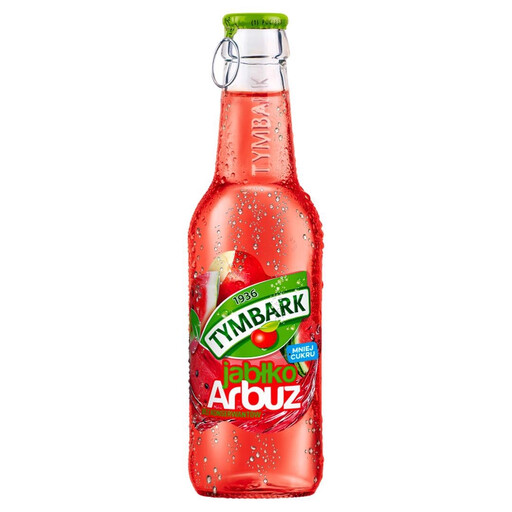
Why it’s a good fit: The 250 ml serving is convenient for trying an unusual fruit flavour without committing to a large box.
The product information lists 19 kcal and 4.6 grams of sugar per 100 ml, allowing you to compare the nutritional value in advance.
250 ml, apple and watermelon juice from concentrate, and no declarable allergens according to the product information.

Why it’s a good fit: Ideal for anyone who enjoys a pronounced, refreshingly tart passion fruit flavour and wants a supply for home or the office.
The description explicitly states 30% natural passion fruit juice and 17 kcal per 100 ml, making it easier to compare with sweeter soft drinks.
12 cans of 330 ml, described in the product information as containing no added sugar and vitamin C.
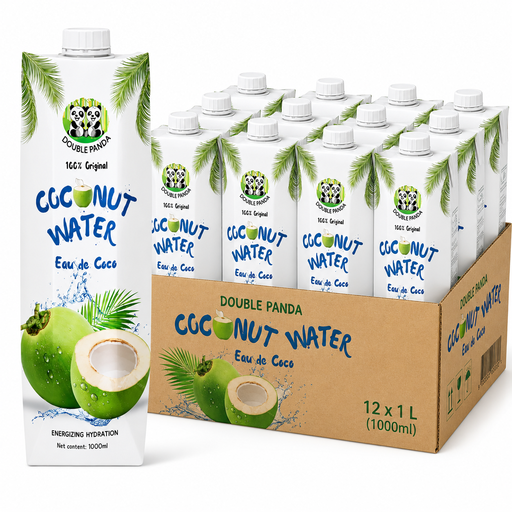
Why it’s a good fit: This bulk format is designed for restaurants, cafés, offices and caterers that also use coconut water in recipes.
The quantity is clearly specified: 12 one-litre cartons. The ingredients list states coconut water and cane sugar, allowing you to assess the additions.
One-litre cartons work well for drinking on their own, as well as for smoothies, desserts and other drink preparations.
Browse a current selection of juices and fruit drinks, and compare flavour, packaging, ingredients and nutritional values before ordering.
No. Check the ingredients. DOUBLE PANDA lists coconut water with cane sugar. According to the product information, Vietcoco contains 99% coconut water, less than 1% fructose and vitamin C. Nutritional values and ingredients can therefore vary by brand.
Follow the label instructions. Many cartons and bottles must be refrigerated after opening and consumed within the stated period. Close the packaging securely and check the best-before date on the pack.
That depends on the price, total volume and how you plan to use them. Divide the total price by the number of litres or cans. A multipack is particularly practical if you regularly drink the same flavour, need to keep a supply on hand or serve drinks to several people.
