
Vandaag of morgen in huis

Kwaliteit gegarandeerd

Welkomstaanbiedingen ontgrendelen: GRATIS bezorging | Tot 80% korting | Gratis 30 dagen JoyPlus-proefperiode
Download de app
The exotic drinks aisle is alluring. Bottles and cans in every colour promise a tropical escape with flavours like lychee, winter melon, or passion fruit. But the selection can be overwhelming, and not every purchase is a hit. Sometimes the taste is too sweet, the texture is unexpected, or the promised fruit flavour is nowhere to be found.
Before you fill your cart, it's helpful to know what to look for. Many drinks seem authentic at first glance but hide pitfalls that can make your purchase less than successful.
By checking a few key specifications, you can avoid these disappointments and choose a drink that truly suits your taste.
Making an informed choice is easier than you think. The label tells you almost everything you need to know. Focus on the following three points to separate marketing claims from facts.
The term tropical fruit juice can be misleading. The key to finding a flavourful drink is to check the actual fruit content. Look for terms like "fruit juice from concentrate" or "purée" in the ingredients list and the corresponding percentage.
Texture can make or break a drink. Drinks with bits are popular, but the types of "bits" vary greatly.
Check the ingredients list to see what type of texture you can expect. This way, you won't be caught by surprise.
For an authentic experience, it's useful to see where a drink comes from and what ingredients are used. Traditional specialty drinks often use specific fruits like winter melon, tamarind, or calamansi. If you're looking for an authentic taste, pay attention to:
Based on these criteria, we have selected a few popular choices that cater to different preferences.
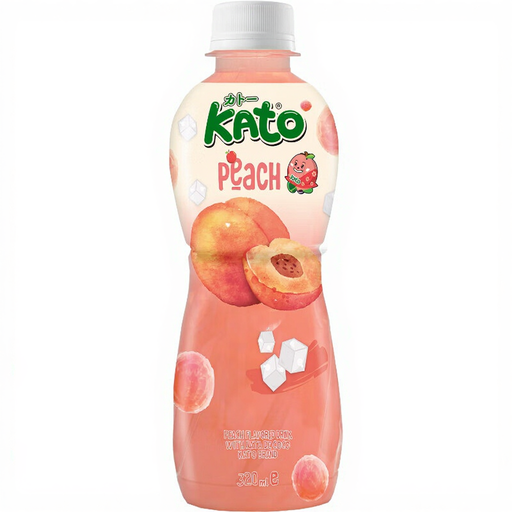
Why This Fits Their Persona: This drink combines the familiar, sweet taste of peach with the playful texture of nata de coco. It's an accessible first step into the world of drinks with bits, without an overly bold flavour profile.
It avoids the 'texture gamble.' The combination of peach juice and nata de coco is a classic, making the chance of an unpleasant surprise small. The texture is an enhancement, not a distraction.
The sweet peach flavour is recognisable and refreshing. The nata de coco adds a fun, chewy texture that makes the drinking experience more interesting.
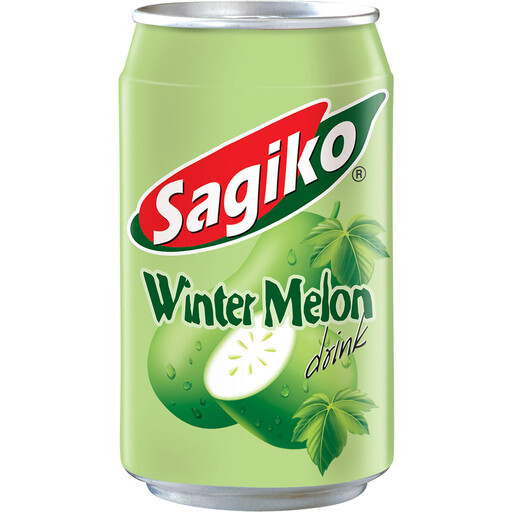
Why This Fits Their Persona: For those seeking a true taste of Asia, winter melon juice is an excellent choice. Its flavour is unique and cannot be compared to Western fruits, making it an authentic 'specialty drink' experience.
This product bypasses the 'false authenticity' trap. Winter melon is not a flavour that is often adapted for the Western market. The taste is subtle, slightly sweet, and herbal, exactly as you would expect to find it in Asia.
A unique, refreshing taste reminiscent of cucumber with a hint of caramel. It is an excellent thirst quencher and an authentic choice.
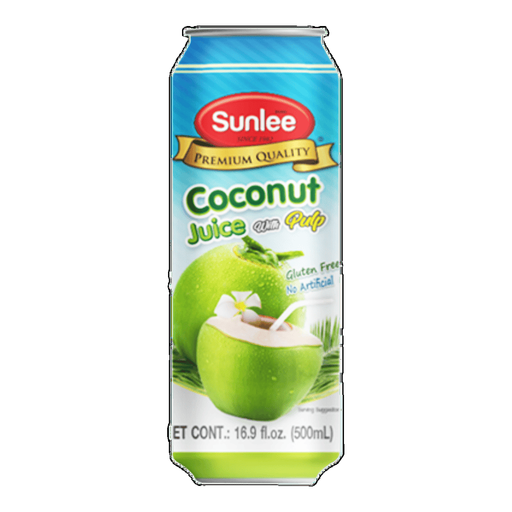
Why This Fits Their Persona: Those looking for a pure, hydrating, no-frills drink will find a great match in this coconut water. It is ideal for anyone who wants to enjoy the natural taste of coconut, enriched with real fruit pulp.
This product avoids the 'fruit juice' pitfall. The ingredient list is short and clear: coconut water, water, sugar, and young coconut pulp. It doesn't promise an exaggerated fruit flavour but delivers a pure coconut experience.
Naturally refreshing and hydrating. The addition of real coconut pulp provides a pleasant texture and enhances the natural flavour.
We have compiled a complete, up-to-date list of products that meet these selection criteria and comply with current regulations.
Nata de coco is a chewy, translucent, and gelatinous food product produced by the fermentation of coconut water. It has a neutral to slightly sweet taste on its own and is often added in cubes to Asian drinks and desserts for a unique texture.
The easiest way is to check the nutritional information table on the packaging. Look for the "Carbohydrates, of which sugars" line per 100 ml. A drink with more than 10 grams of sugar per 100 ml is generally considered quite sweet, comparable to regular soft drinks.
Most exotic fruit juices and soft drinks are meant to be served cold or with ice. The cold enhances their refreshing character and balances the flavours better, especially with sweeter drinks. While it is a matter of personal preference, serving cold is generally recommended for the best taste experience.
