
Vandaag of morgen in huis

Kwaliteit gegarandeerd

Welkomstaanbiedingen ontgrendelen: GRATIS bezorging | Tot 80% korting | Gratis 30 dagen JoyPlus-proefperiode
Download de app
Tired of the standard sodas and juices from the supermarket? Then the world of exotic drinks is a fantastic discovery. From refreshing coconut water to surprising Asian drinks with fruit bits, there's always something new to try. But buying exotic drinks online can sometimes feel like a gamble. Labels aren't always clear, and what seems like a healthy choice can sometimes be a hidden sugar bomb.
As a Product Recommendation Officer at Joybuy, I see a lot of products come by. I'm here to help you navigate the common pitfalls, so you can make a choice you'll be genuinely happy with.
The 2 most common pitfalls when choosing exotic drinks:
To avoid making a bad purchase, there are a few objective specifications you can always check. This helps you look past the marketing and assess the actual contents of the bottle or can.
The most important indicator of quality is the actual percentage of fruit juice or puree. A higher percentage generally means a richer, more authentic flavour. Also, check if the juice is "not from concentrate." This means the juice was pressed directly from the fruit and not first thickened and later diluted with water, which results in a better taste. A good example is a fruit juice with no added sugar, where the sweetness comes purely from the fruit itself.
Check the ingredients list and the nutrition facts panel. Are sugar, glucose syrup, or fructose high on the list? Then it's likely a very sweet drink. Some beverages use alternative sweeteners like stevia, resulting in a lower calorie count. Compare the total grams of sugar per 100 ml to get an objective picture. For reference, a standard soda often contains around 10 grams of sugar per 100 ml.
Some Asian drinks are known for their unique texture. Think of drinks with bits, such as nata de coco (coconut jelly) or aloe vera pulp. If you're looking for a surprising experience, like when buying Mogu Mogu, this is a plus. If you prefer a smooth drink, it's good to pay attention to this. Flavours like a soursop drink (guanabana) or guava juice naturally have a thicker, nectar-like structure.
To help you choose, we've highlighted a few products that suit different preferences.
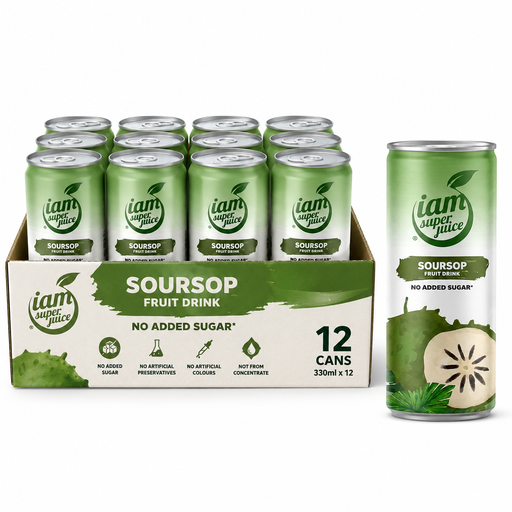
Why This Fits Their Persona: Ideal for those seeking an authentic, tropical flavour without the guilt. This soursop drink is perfect for anyone who wants to avoid sugar but still enjoy a full-bodied fruit beverage.
This drink bypasses the sugar trap by being explicitly "No Sugar Added." The sweetness comes from the fruit itself and stevia, not from added sugars.
Contains 30% natural soursop juice (not from concentrate) and is low in calories (18 kcal per 100 ml). A clear and transparent choice.
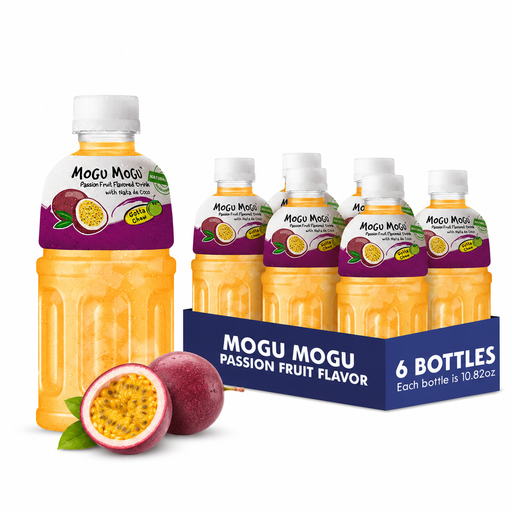
Why This Fits Their Persona: For those who like to combine their drink with a unique texture. Mogu Mogu is an experience in itself, with the sweet and sour taste of passion fruit and the soft, chewy bits of nata de coco.
This product is very upfront about its texture. The "chewy" nata de coco is its main selling point, so you know exactly what to expect.
Offers a unique "drink and chew" experience you won't find in traditional juices. Contains 25% nata de coco for a distinct texture.
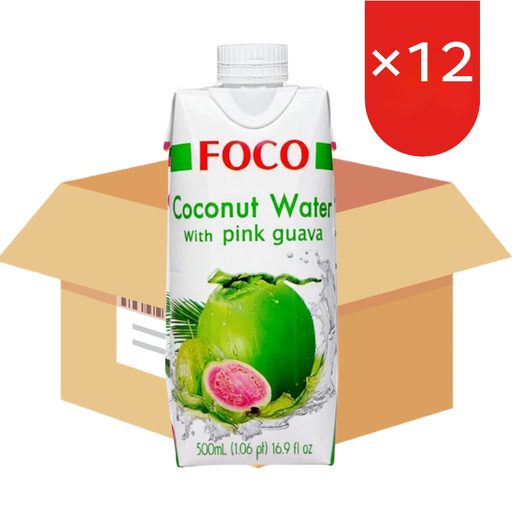
Why This Fits Their Persona: For those who love the hydrating properties of coconut water but with a fruity twist. FOCO is a well-known brand for Asian beverages and combines two beloved tropical flavours here.
This drink is transparent about its contents: it's not a vague "tropical mix," but specifically coconut water with pink guava puree. You know what you're tasting.
Made with 94% natural coconut water and 5% real guava puree. This ensures an authentic, refreshing taste that isn't overly artificial or sweet.
We have compiled a complete, up-to-date list of products that fully meet these selection criteria.
By law, fruit juice must consist of 100% fruit. No sugars or sweeteners may be added. Fruit nectar is a mix of fruit juice or puree, water, and possibly sugar or honey. For some fruits that are naturally very sour or thick (like soursop or guava), making a 100% juice is not practical. That's why they are often sold as nectars. The minimum percentage of fruit juice in nectar is legally defined and varies by fruit type.
Nata de coco and other fruit pieces are soft and chewy. For most children who can already eat solid foods, this is not a problem. However, as with all foods with an unusual texture, it is wise to be cautious with very young children (under 4 years old) and to supervise them to prevent choking.
The flavour description on the product can help. For example, soursop (guanabana) is often described as a mix of strawberry, pineapple, and citrus. Guava has a taste reminiscent of a combination of pear and strawberry. If you're feeling adventurous, simply trying it is often the most fun way to discover a new favourite. Start with a single can or bottle before buying a larger pack.
