
Vandaag of morgen in huis

Kwaliteit gegarandeerd

Welkomstaanbiedingen ontgrendelen: GRATIS bezorging | Tot 80% korting | Gratis 30 dagen JoyPlus-proefperiode
Download de app
Blackheads, enlarged pores, spots, a dull complexion or rough skin texture do not automatically call for a stronger product. With exfoliating skincare, the key considerations are the type of exfoliant, its concentration and how often you use it. The wrong combination can leave your skin feeling uncomfortable, while a product that is too mild may not make much difference.
Below, Joybuy Product Recommendation Officer sets out the most important buying criteria. This allows you to compare facial cleansers, a BHA exfoliant, AHA peeling products, peeling pads and body scrubs based on verifiable product information rather than marketing claims.
A product may be described as mild, yet still contain several exfoliating ingredients. This could be a combination of AHA, BHA and PHA. A pad with a textured side can also create slight friction alongside chemical exfoliation.
Therefore, always check:
A stronger acid percentage may sound appealing, but it is not necessarily the most sensible starting point for someone with sensitive skin or little experience. A product containing 5.25% glycolic acid, such as the OGB Glow Exfoliant Tonic, calls for a cautious introduction. According to the product description, this tonic is intended for evening use after cleansing.
When trying a new product, it is better to start with a low frequency. This lets you see how your skin responds before expanding your routine.
Terms such as “pore minimising” or “pore minimizer” are often marketing language. A product may temporarily make the skin look smoother or help remove excess sebum and dirt, but pores do not disappear. Instead, look at specific features such as the acid used, the product size, the ingredients list and the directions for use.
A BHA exfoliant generally contains a salicylate, such as salicylic acid or betaine salicylate. This type is often chosen for oily or combination skin and for the T-zone. Products containing BHA are intended, for example, to help remove excess sebum and impurities from the pores. However, always check the exact ingredients and warnings.
An AHA peeling product containing glycolic acid, for example, works mainly on the skin’s surface. This may suit a dull complexion or uneven skin texture. A body scrub usually contains granules, making it more suitable for the body than for sensitive facial skin.
The format determines how easily a product fits into your routine:
Do not only look for popular ingredients. Also check whether the product contains fragrance, essential oils or other ingredients to which you may be sensitive. According to the product information provided, salicylic acid products are not suitable for children under 3 years old. For all products: avoid contact with the eyes, do not use on damaged skin, and stop using the product if irritation or a rash occurs.
A patch test on a small area of skin is a sensible precaution. During the day, use a sunscreen product when recommended in the product information, particularly with leave-on exfoliants.
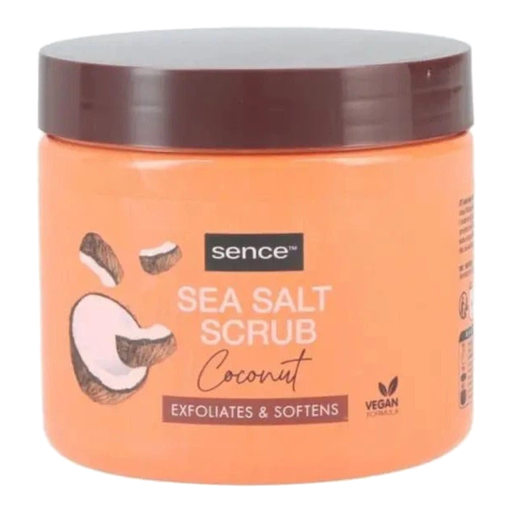
Why it suits this profile: This body scrub is a straightforward choice for anyone who wants to try exfoliation on the body first. The pack contains 500 grams and this variant has a coconut fragrance.
The product description clearly states that this is a body scrub. This makes its intended use less confusing than that of a facial exfoliant.
500-gram contents, coconut variant and intended to remove dead skin cells from the body.
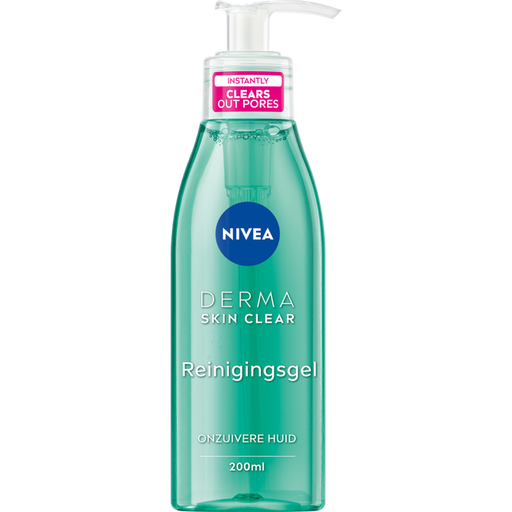
Why it suits this profile: Anyone looking for a consistent daily cleansing step gets a fragrance-free gel with salicylic acid and niacinamide for oily or blemish-prone facial skin.
The gel is applied to a wet face and then rinsed off according to the directions for use. This makes the contact time clear.
150 ml, fragrance-free formula, salicylic acid and niacinamide; suitable for daily use according to the product information.
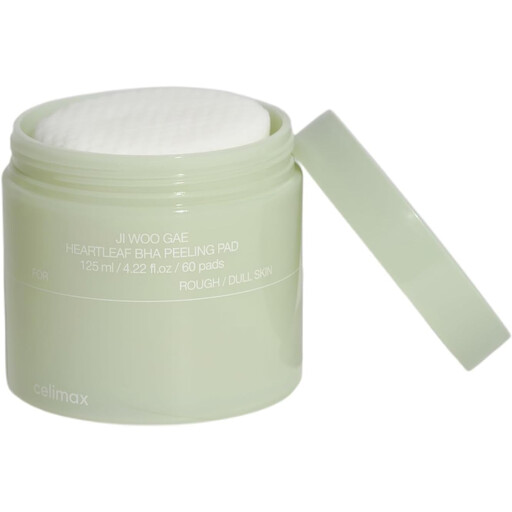
Why it suits this profile: The dual texture offers a practical way to care for the T-zone more precisely. The product information states that it contains 0.5% betaine salicylate and 60 pads.
The directions advise beginners to start by using the pads 2–3 times a week. This prevents “daily” use from automatically becoming the first step.
60 pads, textured and mesh sides, plus hyaluronic acid, heartleaf and centella according to the product description.
We have put together a complete, up-to-date list of products that fully meet these strict selection criteria and the applicable European safety regulations.
An azelaic acid serum is not a classic exfoliant like AHA or BHA, but it may still suit a routine for blemish-prone or sensitive skin. For example, the SKIN1004 Azelaic Acid 10 Ampoule recommends building up use every other day. Do not combine it blindly with multiple acids.
This depends on the product type, concentration and your skin. A body scrub is used differently from a leave-on BHA. Start according to the label and reduce the frequency if your skin feels tight, burning or red.
A cleanser can remove dirt and excess sebum from the surface of the skin. A BHA product is often chosen for the T-zone and pores. Do not expect blackheads to be removed permanently, and avoid applying firm pressure or using aggressive combinations.
The shelf life is stated on the packaging. Check the expiry date, batch information and any period-after-opening symbol. Store products according to the instructions, usually tightly closed, in a dry place and away from direct sunlight. This helps keep the formula usable until the stated expiry date.
