
Vandaag of morgen in huis

Kwaliteit gegarandeerd

Welkomstaanbiedingen ontgrendelen: GRATIS bezorging | Tot 80% korting | Gratis 30 dagen JoyPlus-proefperiode
Download de app
Choosing a new pair of trainers online seems quick and easy. Yet three common pitfalls in particular can leave you disappointed with your purchase. An appealing colour scheme, for example, says little about the fit. Materials are also sometimes described as “durable” without a clear composition. And a sole that is suitable for a short walk is not automatically comfortable throughout a full working day.
With this practical guide, you can focus on the features you can actually check: materials, sizing, sole construction and the intended use of the trainers. This makes it easier to compare Vans Old Skool trainers, Nike Dunk Low women’s trainers, retro trainers and other casual trainers in a sensible way.
A familiar logo is no guarantee of the right fit. A low, flat skate trainer feels different from a model with a softer midsole. So first consider how you will use the trainers: cycling around town, working in an office, walking, streetwear or light sporting activities.
“Leather-look”, “premium” or “breathable” can mean different things. Check the product information for the exact composition. Some models have a leather upper, while the lining is made from textile. Other trainers combine canvas, suede and synthetic sections.
An EU size can fit differently depending on the brand or silhouette. So do not just look at your usual size; also check the stated foot length and the UK and US sizes. For example, the product information for the Skechers OG 85 Old School states that the model comes up large and recommends choosing one size smaller. That is more relevant than a general size chart.
For everyday wear, canvas and textile are lightweight and easy to pair with different outfits. Suede overlays can add extra texture, but they require a suede brush or eraser. Leather is generally easier to wipe clean locally, but it needs regular care to keep the surface looking its best.
Also check the care instructions. The Vans Old Skool VN000D3HNVY1 Navy has an upper made from 56% suede and 44% canvas, along with a vulcanised rubber sole. The product information recommends spot cleaning and air drying naturally. Machine washing is not recommended, partly to protect the glue and colour.
A flat rubber sole suits skate trainers and a casual streetwear look. The Vans Old Skool and Authentic models are examples of low-top trainers with a rubber base. For longer days, a more pronounced midsole may feel more comfortable. The adidas Run 70s 2.0 is described as having a lightweight construction, flexible build and rubber outsole.
A slim model such as the Puma Speedcat OG has a low profile and flat heel. This works well with retro outfits and for driving, but anyone who spends a lot of time walking on hard surfaces should focus primarily on personal fit and the available cushioning.
Laces offer more adjustability than slip-on shoes. When trying trainers on, check that there is enough room around your toes, that your heel does not lift and that the instep is not being squeezed. Wear the socks you would normally use when comparing different pairs.
When ordering online, always check the product page for the exact colour and size you want. A model may be available in several versions, while the sizing information can differ between product pages.
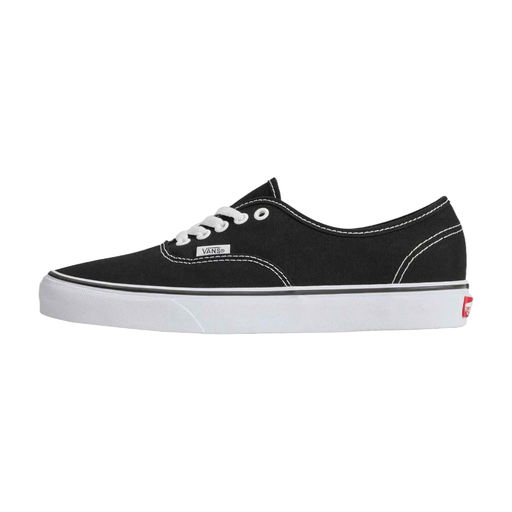
Why it suits this profile: The black, low-top design is easy to pair with jeans, chinos and streetwear. The textile upper and rubber sole keep the design simple.
The material description clearly specifies textile for the upper and lining, and rubber for the sole. This means you do not have to rely on vague material terms.
Textile upper, textile lining, rubber base and a low-top silhouette for everyday wear.
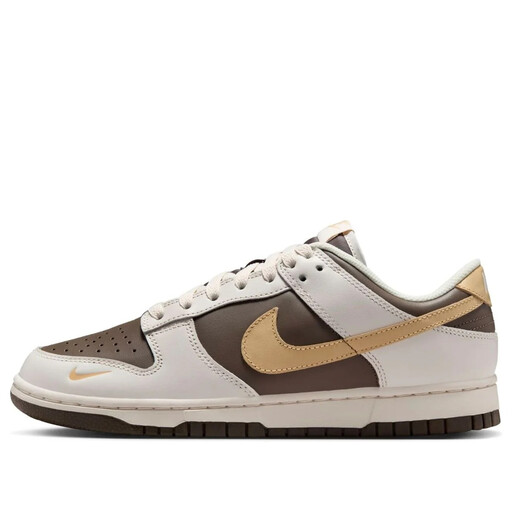
Why it suits this profile: If you are looking for a polished streetwear style, this model offers a leather upper in a black-and-white colour combination with subtle grey details.
The product details specify the leather upper, textile lining, padded collar and rubber sole. This makes the comparison more concrete than a style claim alone.
Leather upper, padded collar, padded insole and rubber outsole with pivot-point tread.
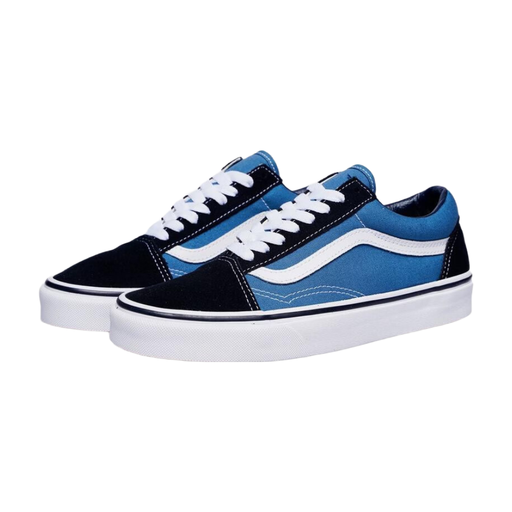
Why it suits this profile: The combination of canvas, suede overlays, a padded low collar and classic waffle tread appeals to fans of skate trainers and everyday streetwear.
The sole, materials and care instructions are described clearly. In particular, the advice not to submerge or machine wash the trainers helps set realistic expectations.
Canvas and suede, padded collar, lightweight midsole and rubber outsole with diamond tread.
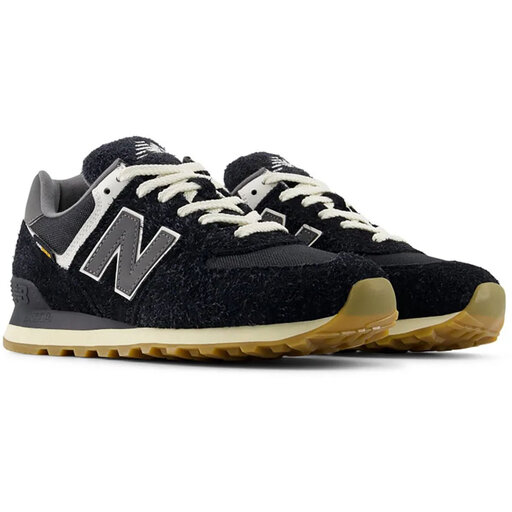
Why it suits this profile: The 574 shape in grey and blue tones is easy to pair with casual outfits and a sporty look.
The product description mentions a combination of suede and mesh, as well as a rubber outsole. This allows you to assess specifically whether it suits your intended use and care routine.
Suede and mesh, supportive midsole, rubber outsole and a versatile retro shape.
We have compiled a complete, up-to-date list of products that fully meet these strict selection criteria and the applicable European safety regulations.
For leather trainers, pay attention to the care instructions, and for textile models, consider how prone they are to staining. The product information about the materials used is what matters; general marketing language does not tell you how a pair will perform in your daily routine.
That depends on your walking distance, the surface you walk on and your preferred fit. Low-top canvas models such as Vans Authentic trainers are versatile for casual use. Models with a more pronounced midsole, such as the adidas Run 70s 2.0, may appeal to anyone who places extra importance on flexibility and cushioning in the construction of the product.
Their lifespan varies depending on how often they are worn, body weight, walking surface, care and materials. Where possible, alternate between pairs, allow dampness to dry naturally and follow the care instructions. Pay particular attention to wear on the outsole, seams and heel lining. According to the product information, the products mentioned come with a statutory minimum two-year guarantee, but a guarantee does not replace an assessment of normal wear and tear.
Measure your foot at the end of the day while wearing the socks you normally use. Compare the measurement with the size chart on the specific product page. Also look for notes such as “comes up large” or “true to size”. If you are unsure, the stated foot length and returns policy are more important than simply relying on your usual EU size.
