
Vandaag of morgen in huis

Kwaliteit gegarandeerd

Welkomstaanbiedingen ontgrendelen: GRATIS bezorging | Tot 80% korting | Gratis 30 dagen JoyPlus-proefperiode
Download de app
A pair of trainers often needs to cope with a lot in the Netherlands: cycling to work, walking around town, doing the shopping and pairing with different outfits. However, an attractive price tag or a well-known brand name does not automatically make a purchase suitable. If you only look at the colour and logo, you could soon be left with a pair that is uncomfortable or difficult to maintain.
1. Mistaking a trendy style for a good fit
A retro silhouette or chunky sole may look appealing, but it tells you nothing about the room around the toes, heel hold or support. Always check the sizing information and compare it with a pair you already find comfortable. Also look out for differences between women’s trainers and men’s trainers: the shape and available sizes can vary from one model to another.
2. Interpreting material claims too broadly
“Premium”, “breathable” and “durable” are not standardised quality ratings. A mesh upper may feel airier than fully synthetic material, while suede and leather generally react differently to rain, dirt and cleaning. Check the material composition rather than relying solely on the marketing copy.
3. Choosing one pair for every occasion
Casual trainers for everyday wear are not always suitable for long walks, wet bike rides or intensive movement. A flat sole, sturdy rubber outsole and soft insole may be relevant, but the right choice depends on how you intend to use them. Do not expect sports performance from a model primarily designed for lifestyle and streetwear.
Look at the combination of materials:
Also check the lining and footbed. A textile lining can affect how the trainers feel when worn, while a padded collar provides extra support around the ankle. The product description should be your main guide; a brand’s statements about comfort or performance are not a guarantee for every wearer.
The midsole largely determines how the shoe feels underfoot. Various New Balance 574 models list an ENCAP construction: a combination of EVA foam and a polyurethane rim. These are verifiable material details, but personal comfort still depends on your foot shape, weight and intended use.
Also pay attention to the outsole:
None of these features makes a shoe universally suitable. Consider the sole pattern, flexibility and the conditions in which you will wear the trainers.
Do not order solely based on your usual EU size. Check the available size, size chart and any information about the fit. The range includes, for example, models in sizes 35.5, 38.5, 40, 41.5, 42, 42.5, 44 and 47. This does not mean that every colour or version is available in every size.
Ideally, try on new trainers indoors while wearing the socks you normally wear. Check that you can move your toes, that your heel does not slip and that the laces hold your foot securely. Keep the packaging and labels while you assess the fit, and read the returns policy in advance.
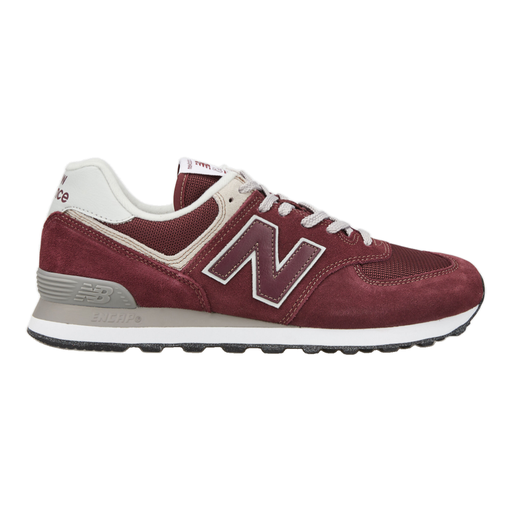
Why it suits this profile: The familiar 574 shape combines suede and mesh with an ENCAP midsole. This makes it a practical starting point if you are looking for one pair to wear with jeans, casual clothing and urban outfits.
The product information clearly lists the materials, lining and sole. This allows you to base your decision on specific features rather than on the retro appearance alone.
Suede and mesh upper, ENCAP midsole and rubber outsole. According to the product details, the mesh around the collar and tongue is made from 100% recycled polyester.
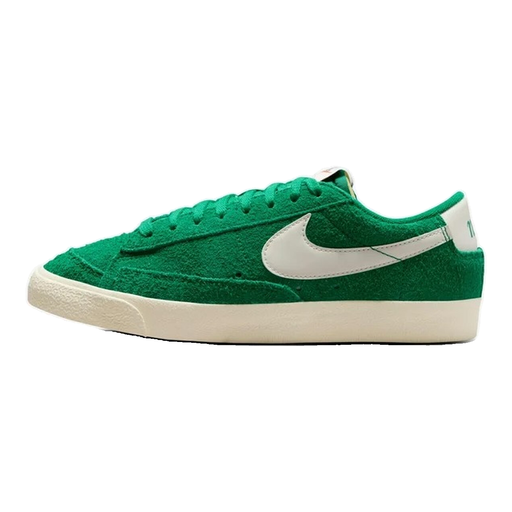
Why it suits this profile: The low-cut retro basketball shape in jade ice combines suede and leather. It is a good choice for shoppers who value materials and finish more highly than a bold, fast-changing trend.
The combination of smooth leather and suede is described more specifically than a general quality claim. Bear in mind that suede requires care and protection from moisture.
Leather and suede upper, padded collar and rubber outsole with a herringbone tread. The low-cut shape is easy to pair with casual outfits.
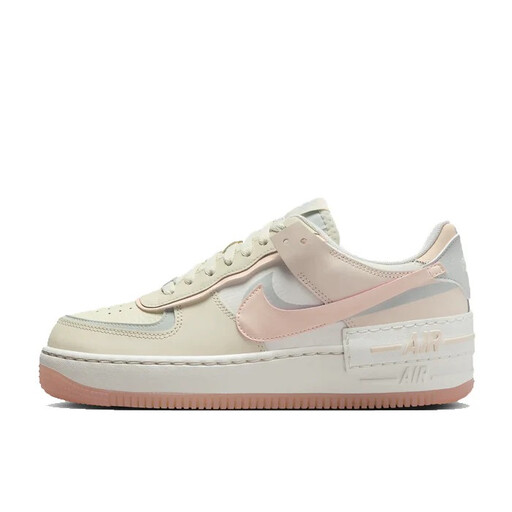
Why it suits this profile: The double overlays, raised foam midsole and multicoloured finish are suited to anyone looking for a statement pair for urban outfits and everyday wear.
The product details specifically mention the leather upper, padded collar, foam midsole and rubber sole. This makes it clear what you are buying, without presenting the shoe as a universal sports trainer.
Leather upper, Nike Air element according to the product description and rubber outsole with pivot circles. This version is supplied in size 42.
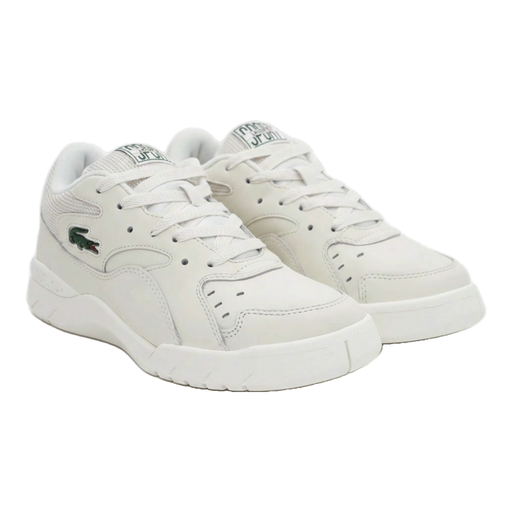
Why it suits this profile: The white court-style look complements a pared-back wardrobe. This model is easy to pair with denim, chinos and lightweight summer clothing.
The product information lists a textile lining, padded insole and rubber outsole. With an entirely white upper, regular wiping is particularly important.
White design, synthetic leather upper according to the product description, textile lining and rubber sole. The listed version is size 42.
We have put together a complete, up-to-date list of products that fully meet these strict selection criteria and the applicable European safety regulations.
Lifespan depends on how often you walk, the surface, your body weight, the material and how well you care for the trainers. You can reduce wear by:
A rubber sole may visibly lose its tread before the upper shows signs of wear. Regularly check the heel, sole edge, stitching and insole. A discoloured sole does not necessarily mean that the trainers can no longer be used, but cracks or parts coming away are clear reasons to consider replacing them.
Choose a model with a fit that remains comfortable over longer periods, a rubber outsole and an upper that suits your care routine. Mesh is useful if you want a more breathable feel; leather or synthetic material may be more practical if you plan to wipe the trainers clean frequently.
This varies by brand, model and shape. Use the size chart on the specific product page and check the foot length. If you are unsure, length is not the only important factor: toe room, instep height and heel hold also determine whether a pair fits well.
Carefully remove dry dirt first. For leather, use a slightly damp cloth and a product designed for leather. Suede requires a special brush and treatment; test a product on an inconspicuous area first. Do not wash trainers in the machine unless the manufacturer explicitly allows it.
