
Listening back to your own voice
You’re practising your phrasing and pronunciation by recording yourself. An adjustable microphone boom and a short test recording matter more than an unsubstantiated promise of studio-quality sound.


Choose a wired headset that connects to your recording device and has a microphone you can position near your mouth. Then make a short test recording and listen back to it. USB can be convenient if you’re recording on a computer and want easy access to mute and volume controls. With a 3.5 mm connection, check that both the microphone and audio work through your device’s socket. Microphone noise cancellation won’t stop people at home from hearing you speak out loud.
You’re practising your phrasing and pronunciation by recording yourself. An adjustable microphone boom and a short test recording matter more than an unsubstantiated promise of studio-quality sound.
You want to listen back to your recording without using speakers, while being considerate of others at home. A headset won’t mute the sound of your own voice in the room.
You want to record without connection problems and be able to adjust the volume or operate the microphone easily. The right USB option or microphone connection depends on your device.
Start by checking the connection on your recording device, then look at microphone positioning, controls and fit. A short test recording on your own device will help you judge whether your words are easy to understand.
| What to consider | What should you check? | Who is this important for? |
|---|---|---|
| Clear voice recordings | Check whether the microphone is adjustable, then record a sentence on your own device and listen back to it. | If I want to assess my pronunciation, I need to be able to hear my words clearly. Around 31% of consumers prioritise voice recording. |
| Listening back quietly in the evening | Check that you can adjust the playback volume easily. Keep it low and be considerate of others at home. | When practising in the evening, I want to listen without speakers and be considerate of others at home. Around 25% of consumers prioritise listening back quietly in the evening. |
| Connection and controls | Compare the exact USB or 3.5 mm connection with your device and check that it recognises the microphone. | If I’m recording on a laptop or PC, I want to hear audio and record my voice. The right connection for their device is a priority for around 25% of consumers. |
| Comfort | Check how adjustable it is and whether you’re choosing a mono or stereo version; the fit varies between models. | When I practise for longer, I want an adjustable fit and a style that suits my session. Around 19% of consumers prioritise comfort. |
A microphone feature that reduces background noise won’t stop others hearing you speak out loud during your book review.
Choose a headset so you can listen back without speakers, and adjust your speaking volume to suit the people around you.
USB-A, USB-C and 3.5 mm are different connections. The connection options available also vary by model.
Check the full model number, plug and whether your device supports the headset microphone.
A retailer’s listing may mention features or connection details that don’t clearly match the version you’ve selected.
Check the exact model variant and connection with the manufacturer and retailer before relying on a product listing to make your purchase.
The H390 is a wired computer headset; USB-A and USB-C are separate versions.
Primo is a wired chat headset; Ayda USB-ENC is a separate on-ear USB range for PC.
The wired Blackwire 3200 and 3300 series includes mono and stereo versions for computer use.
These Joybuy products include wired and wireless headsets with microphones for recording and listening back. Check that the microphone works with your device for each model.
 No image available
This could be a good fit if you want to record and listen back with a wired headset. Check that your device recognises the microphone through the connection you choose.
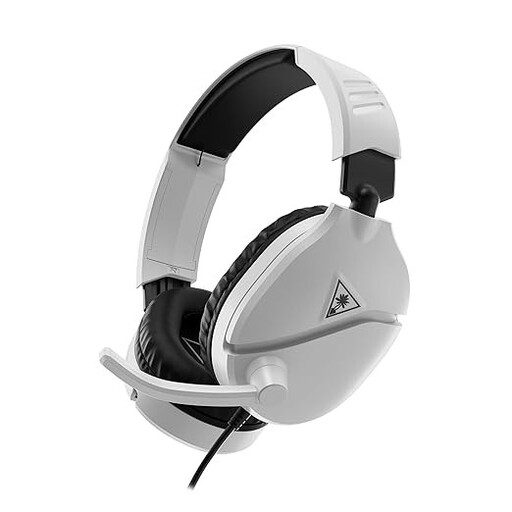
The product name describes a wired over-ear gaming headset with a flip-up microphone.
 No image available
If you want to use these headphones for a book review, check that your recording device recognises the microphone.
The product name mentions noise cancelling, 60-hour battery life, fast charging and four microphones.
 No image available
This could be a good fit if your device supports the microphone through a compatible 3.5 mm connection. Check before recording.
The product name mentions a wired 3.5 mm headset with a flip-to-mute microphone.
 No image available
If you want to record and listen back via 3.5 mm, check that your device recognises the microphone.
The product name mentions a wired 3.5 mm headset with a flip-to-mute microphone.
 No image available
Before relying on it for your practice recording, check that your computer recognises this version as both a microphone and an audio device.
Connect a suitable headset, select it as the microphone and playback device in your recording software, position the microphone near your mouth and listen back to a short recording. Logitech explains how to connect and position the microphone on the H390; check the results on your own device.
No. The manufacturer’s description refers to background noise in the transmitted voice, not the sound of you speaking out loud in the room. Use the headset to listen back without speakers and be mindful of your speaking volume.
The World Health Organization recommends, among other things, keeping your device volume at no more than 60% of the maximum and giving your ears regular breaks. This is listening advice, not a Dutch purchasing requirement.
For many distance purchases, you have a 14-day cooling-off period; the Dutch government says the seller must inform you about this. You’re also entitled to a product that is fit for purpose. According to the Dutch government, there is no fixed statutory warranty period in the Netherlands; a manufacturer’s warranty and your statutory rights are not the same thing.