
Vandaag of morgen in huis

Kwaliteit gegarandeerd

Welkomstaanbiedingen ontgrendelen: GRATIS bezorging | Tot 80% korting | Gratis 30 dagen JoyPlus-proefperiode
Download de app
EVA slippers are lightweight, easy to clean and suitable for all sorts of everyday situations. However, models can vary greatly in fit, sole tread and drainage. A disappointing purchase often isn’t down to the material itself, but to choosing slippers that aren’t suited to the surface or how you plan to use them.
Look out for these three common pitfalls:
Read on to find out what to look for in EVA slippers, bathroom slippers, non-slip slippers and comfortable slippers for indoors and out.
EVA stands for ethylene-vinyl acetate, a lightweight plastic foam often used to make slippers and sandals. It’s water-resistant, easy to rinse clean and generally lightweight. Slippers moulded from a single piece have fewer seams where dirt or water can collect.
Check the product description for details about density and construction:
Claims about odour resistance or shape retention should be treated as claims made in the product information. According to PUXI’s product description, certain EVA models are designed to help prevent odours and deformation. This doesn’t guarantee that odours or wear will never occur. Air out new slippers before wearing them, and let wet slippers dry thoroughly.
A non-slip sole won’t perform the same on every surface. Look at the tread pattern rather than relying on the word “non-slip” alone.
For the bathroom, deep grooves, a wave-shaped tread and textured bumps are practical features. They can help channel water away from beneath the sole. Take care on wet tiled floors: no slipper can eliminate the risk of slipping altogether.
For everyday outdoor use, a closed toe, a slightly thicker sole and a footbed with raised edges can be useful. A 3 cm sole, as found on some Soft Cake models, offers more height and cushioning than a thin sole. This can feel comfortable on hard floors, but provides less of a feel for the ground as you walk.
Unisex slippers aren’t automatically suitable for every foot. Always check the recommended foot length in millimetres and compare it with your own. For example, the product information for the models mentioned uses size 37-38 for a recommended foot length of around 240 mm. Size charts vary by model, so don’t assume you’ll need the same size as in other slip-ons without checking first.
If you have wide feet, look for these features:
If you’re between sizes, don’t just consider the length. A larger size may feel too loose on a narrow foot, while a roomier design may work better for a wide foot than simply going up a size.
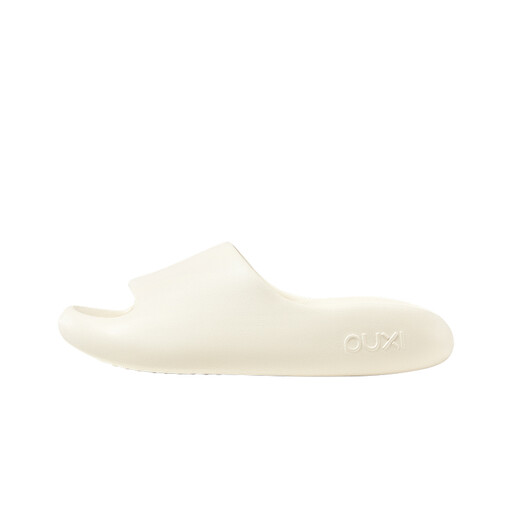
Why it suits this profile: A versatile slip-on for home, quick errands and relaxed outdoor wear. Its minimalist shape and neutral colour work with a range of outfits.
The description mentions a wider instep, a recessed footbed and a grid-textured sole. These features offer more grip than a completely flat slip-on.
A 3 cm EVA sole, closed-toe protection and an arch-supporting footbed, according to the product information.
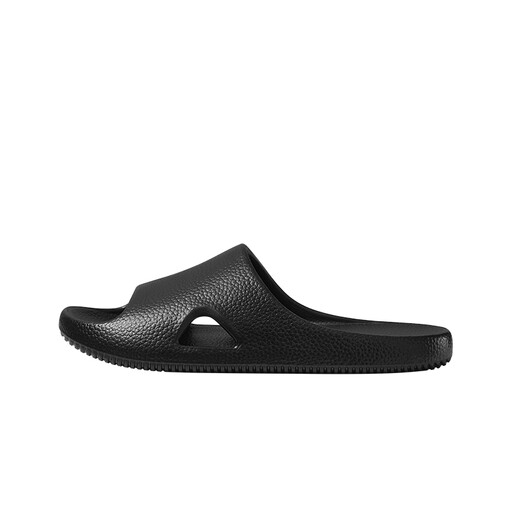
Why it suits this profile: A good choice if you want a neat, understated look combined with a lightweight slipper for home and occasional outdoor use.
As well as its appearance, the product information mentions side openings for water drainage and ventilation. This makes the design more practical than a completely closed slipper.
One-piece EVA construction, a lightweight sole, light arch support and a slightly raised toe, according to the product specifications.
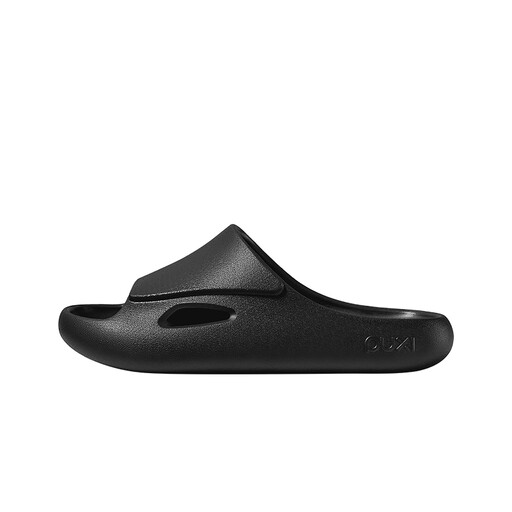
Why it suits this profile: Designed for bathrooms, showers and other places where water may be on the floor. It can also be worn as your everyday slipper at home.
The description mentions a drainage midsole and a wave-shaped non-slip sole with deep grooves. These address two of the main issues in the bathroom: water build-up and a lack of tread.
A recessed footbed, quick-drying construction and textured bumps on the outsole, according to the product description.
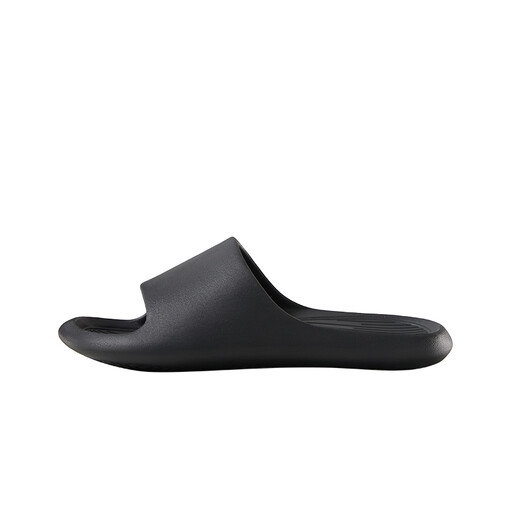
Why it suits this profile: The wide shape is designed for people who often feel pressure on the instep or toe area in standard slip-ons.
The product specifications describe a wide-fit design and a raised toe. This gives your forefoot more room and helps reduce the chance of bumping your toes as you walk.
A wide fit, an EVA footbed with a grid texture and a thin sole with light arch support, according to the product information.
Rinse EVA slippers with lukewarm water and leave them to dry in the shade. Direct sunlight or intense heat can discolour or deform the material. For stubborn dirt, use a soft brush with a mild cleaning product. Store your slippers somewhere cool and dry, especially if you won’t be using them for a while.
Check regularly that the sole still has enough tread and that the footbed hasn’t become permanently compressed. How long your slippers last depends on how far you walk in them, your body weight, the surface, moisture and exposure to heat. Bathroom slippers that get wet every day need more care than a pair worn indoors only.
We’ve put together a complete, up-to-date list of products that meet these strict selection criteria and the applicable European safety regulations.
They can be, provided they have a treaded sole and good drainage. Ideally, choose a model with deep grooves, drainage channels and a footbed that cups your foot. Take care on wet tiles, as non-slip features can’t guarantee complete protection against slipping.
Check the recommended foot length in millimetres for each product. Sizing can vary between models. If you have wide feet, check the shape around the instep and forefoot first, rather than automatically ordering a larger size.
Rinse them with lukewarm water and, if they’re dirty, use a soft brush with a mild cleaning product. Leave them to dry out of direct sunlight. Avoid high temperatures, as these can affect the flexibility and shape of EVA.
