
Vandaag of morgen in huis

Kwaliteit gegarandeerd

Welkomstaanbiedingen ontgrendelen: GRATIS bezorging | Tot 80% korting | Gratis 30 dagen JoyPlus-proefperiode
Download de app
EVA slippers are lightweight, easy to clean and suitable for all kinds of situations: from the bathroom and swimming pool to the living room, garden or a quick trip to the shops. However, models can vary significantly in terms of fit, sole and drainage. A low price or attractive design does not automatically mean better comfort or grip.
With this practical buying guide, you can compare bathroom slippers, house slippers, slides and non-slip slippers based on the features that really matter in Dutch homes and wet areas.
EVA is a lightweight plastic foam, but its construction can vary. A thin sole feels flexible, while a sole of around 3 cm offers more cushioning and height. The shape of the footbed also determines how comfortable a pair feels.
So don’t just look for “EVA”; also consider:
A textured sole can improve grip on a wet floor, but no slipper can make a slippery surface completely risk-free. Look for deep grooves, texture and water drainage. A flat sole is more likely to retain a layer of water between the slipper and the floor.
Take care when wearing slippers with a non-slip profile on very smooth tiles. Also check regularly that the tread has not worn down.
Slippers are often worn without socks. As a result, a size that is too large may slip around, while a size that is too small can put pressure on your toes. When choosing EVA slippers, therefore, look at the recommended foot length in millimetres, not just your usual EU size.
For the models in this selection, the size chart generally runs from EU 35-36 up to 44-45. Recommended foot lengths vary by model. Measure both feet while standing and choose based on the longer foot.
EVA is water-resistant and can usually be rinsed easily with lukewarm water. This makes it suitable for quick-drying slippers and everyday use around the home. After cleaning, it is best to let your slippers dry in the shade. Prolonged exposure to direct sunlight can affect their colour and shape.
A slight odour after storage is possible. Allow new slippers to air in a cool, sheltered place first. Also check the care instructions when purchasing, as not every model is suitable for machine washing.
For the bathroom, water-draining slippers are more practical than a completely closed, flat design. Look for drainage channels in the sole or openings at the sides. These help water run out of the slipper and can reduce drying time.
When using slippers in the shower, it is still important to remove them from the wet area after use and let them dry. A drainage design does not prevent water from remaining on the floor.
If you are looking for slippers for wide feet, it is worth choosing a wider last and a roomier instep. A contoured footbed can provide a more secure fit, while an open slide is quick and easy to put on and take off.
Choose according to the situation:
The recommendations below are based on the stated product features. Claims about odour resistance, durability or grip come from the product descriptions provided by the respective brands and are not presented here as independently verified results.
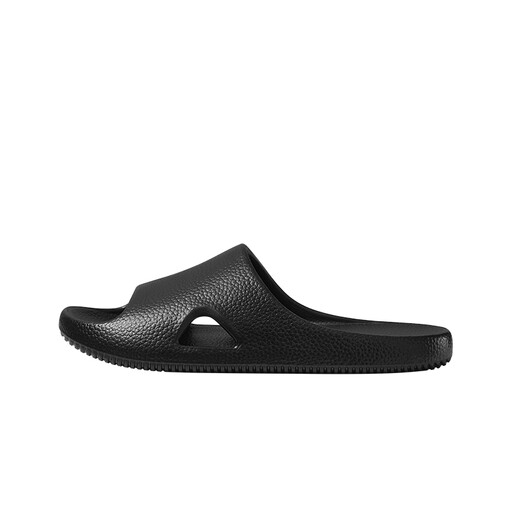
Why it suits this profile: A simple open slide for wearing at home, with a lightweight design and a neutral black colour.
The sides have drainage openings and the footbed is described as offering arch support, rather than simply having a flat sole.
Single-piece moulded EVA, a thin lightweight sole, leather-look texture and a choice of several colours.
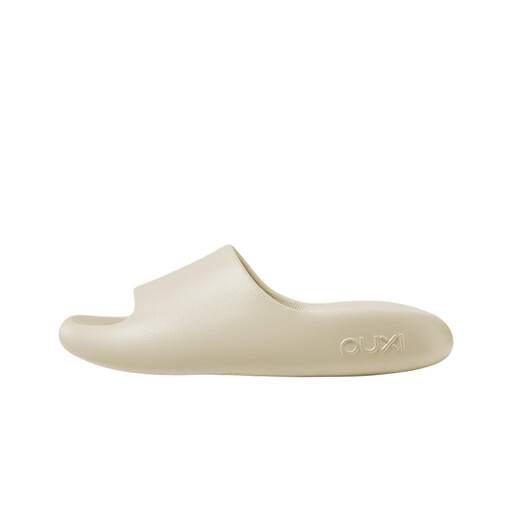
Why it suits this profile: Suitable for anyone wanting one pair for use both at home and outdoors for short periods, with extra volume beneath the foot.
The product description mentions a contoured footbed, a grid tread and a protected toe edge; always check the floor and fit carefully.
3 cm sole, wide instep, footbed with arch support and massage bumps forming part of the sole structure.
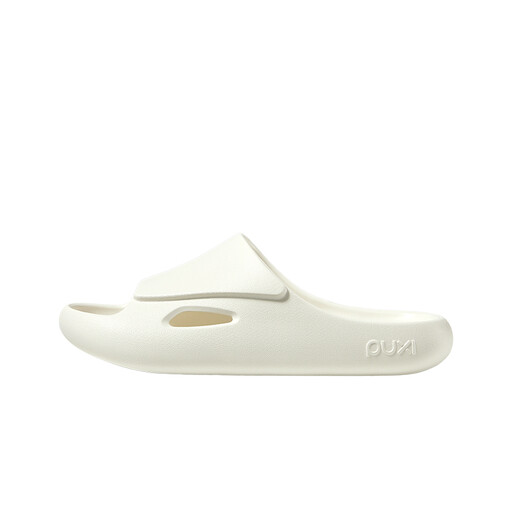
Why it suits this profile: Designed for the bathroom, where water drainage and sole texture matter more than a fashionable finish.
According to the product description, the sole has deep, wave-shaped grooves and textured bumps; the midsole contains drainage channels.
Quick-drying design, contoured footbed and a wave-pattern non-slip tread for wet floors.
Rinse slippers with lukewarm water and remove dirt with a soft brush. Then leave them to dry completely in the shade. Store them somewhere cool and dry, rather than leaving them for long periods in a closed, damp bathroom.
Lifespan depends on use, body weight, the surface and exposure to heat. Replace a pair when the sole becomes smooth, develops cracks or the slipper no longer fits securely. With daily use, check the tread regularly for signs of wear.
We have put together a complete, up-to-date list of products that fully meet these strict selection criteria and the applicable European safety regulations.
Yes, certain models are designed for this purpose. Choose a pair with water drainage, deep sole grooves and a close-fitting footbed. Always check the grip on the specific floor, as wet tiles can still be slippery.
Measure your foot in millimetres while standing and compare the measurement with the product’s size chart. Take your foot width into account, as well as whether you intend to wear the slippers with socks. If in doubt, the product’s exact size chart is more important than your usual shoe size.
This varies depending on how they are used. A pair worn outdoors every day will generally wear out faster than house slippers used only on a dry floor. Pay particular attention to the sole tread, cracks, deformation and a loose fit. These are more practical indicators than a fixed timeframe.
