
Vandaag of morgen in huis

Kwaliteit gegarandeerd

Welkomstaanbiedingen ontgrendelen: GRATIS bezorging | Tot 80% korting | Gratis 30 dagen JoyPlus-proefperiode
Download de app
EVA slippers are popular in Dutch homes: they’re lightweight, easy to rinse clean and often suitable for wearing at home, in the bathroom or on a short walk outdoors. But a quick purchase can be disappointing. For example, a slipper that looks wide in a photo may come up narrow. And a patterned sole isn’t automatically safe on a wet bathroom floor.
Joybuy Product Recommendation Officer sets out the key things to look for. This will help you compare EVA slippers by material, fit, grip and intended use, rather than relying on marketing claims alone.
The term ‘non-slip’ doesn’t tell you much on its own. Check the sole’s tread and look for information about grooves, drainage or a contoured footbed. Deep channels and a sole that can drain water are practical features for the bathroom. It’s still important to walk carefully on a smooth, wet floor; no slipper can make a floor completely risk-free.
Unisex slippers are designed for men and women, but feet vary considerably in both length and width. So don’t just look at the EU size, such as 37-38 or 42-43. Compare the recommended foot length in millimetres too. For example, the product information provided says that size 42-43 in the Soft Cake slippers is designed for a 265 mm foot, while the Wave Bathroom slippers list 270 mm for the same EU size.
A thick sole may feel soft, but that doesn’t automatically mean the slipper offers enough support. Look for a contoured footbed, a wide instep, a raised toe and any arch support. If you wear slippers for long periods, a stable fit may be more useful than a soft material alone.
EVA, or ethylene-vinyl acetate, is a foam-like synthetic material often used for lightweight slippers. It can easily withstand water and is generally simple to clean. The PUXI models’ product descriptions mention features such as shape retention, odour resistance and resistance to deformation. These are the manufacturer’s product specifications; the actual lifespan depends on use, storage and exposure to heat.
Rinse EVA slippers with lukewarm water and leave them to dry in the shade. Don’t leave them on a hot radiator or in direct sunlight for long periods, as heat can affect their shape.
A 3 cm sole, like the one on the PUXI Soft Cake Slide Slippers, can provide extra height and cushioning. The same product description also mentions a contoured footbed, arch support and massage bumps. Think of the massage feature as a design detail that affects how the slippers feel to wear, rather than as a medical benefit.
When looking for comfortable slippers, consider the combination of:
If you have wide feet, look for a wide last or a style with a roomy instep. According to the product information, the PUXI Banana Boat slippers have a wide-fit design, a broad shape and a raised toe. They may be worth considering if you find ordinary slippers too narrow. When buying, be sure to check the stated foot length and available sizes; ‘wide’ doesn’t always tell you the exact internal width.
For bathroom slippers, drainage and grip matter more than a fashionable colour. According to the product description, the PUXI Wave Bathroom Slippers have drainage channels in the midsole, a contoured footbed and a wave pattern with deep grooves in the outsole. This combination is designed to drain water and hold the foot securely.
When using slippers in the bathroom:
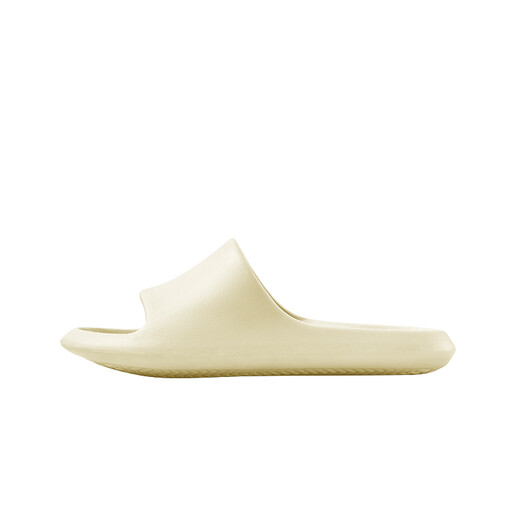
Why it suits this profile: A simple unisex slipper for wearing at home, in the garden or outdoors for short periods, with a roomy shape for wider feet.
The wide-fit shape gives you a clearer idea of the fit than a general claim about ‘universal comfort’. The product information also mentions a hydrophobic footbed and a raised toe.
Integrated EVA design, a wide fit, a lightweight silhouette and a recommended foot length of 270 mm for size 42-43.
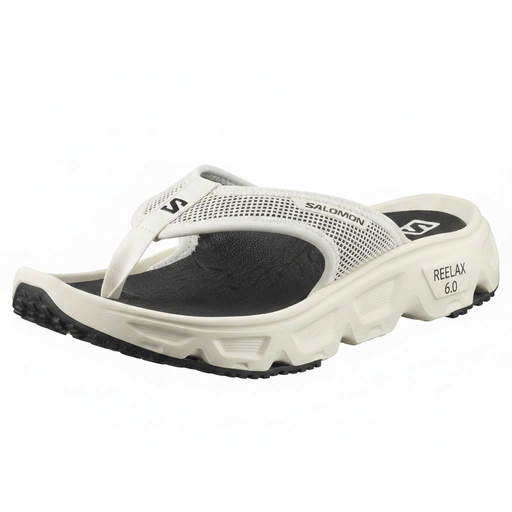
Why it suits this profile: For anyone looking for a recovery slipper with more structure than a simple bathroom slipper, for example after sport or a long day.
The product description mentions a moulded EVA lining, a 360° footbed and a rubber ContaGRIP sole. This makes the design easier to assess than relying on the term ‘recovery’ alone.
Textile strap, moulded EVA footbed, EnergyCell EVA midsole and a stated weight of 195 grams per slipper.
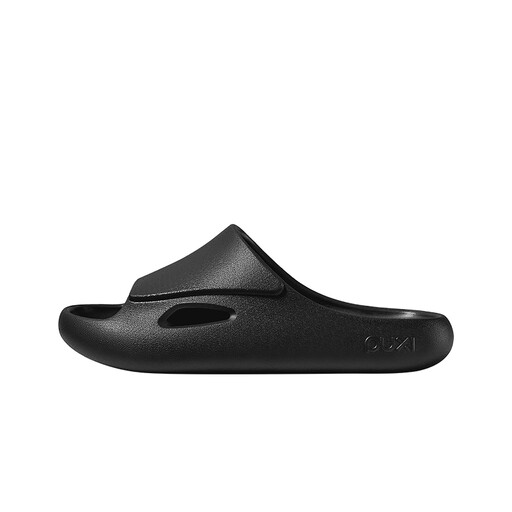
Why it suits this profile: Designed for bathrooms and other wet areas, where water drainage and sole tread matter more than extra styling.
The description specifies drainage channels, deep sole grooves and a contoured footbed. This gives you more to go on when assessing **non-slip slippers** than a vague safety claim.
High-density EVA, integrated water drainage, a wave pattern with deep grooves and sizes from 35-36 to 44-45.
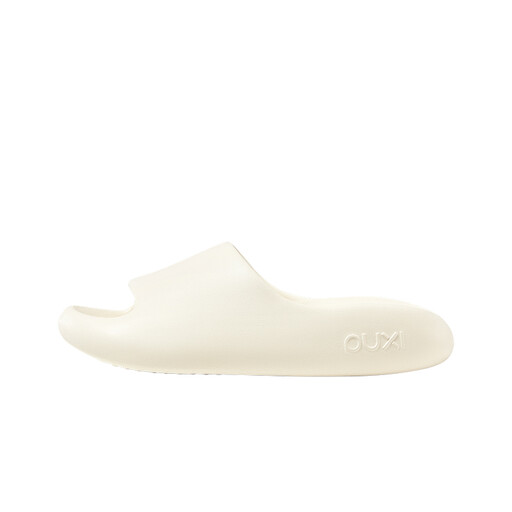
Why it suits this profile: A versatile choice for home, the balcony, the garden and short trips outdoors, with extra cushioning and a closed toe.
The size selection is linked to a recommended foot length. The description also mentions a contoured footbed, a roomier instep and full toe protection.
3 cm-thick EVA sole, grid tread, massage bumps in the footbed and a design for indoors and outdoors.
We’ve put together a full, up-to-date list of products that meet these strict selection criteria and current European safety regulations.
It depends on the sole tread and how well it drains water. Choose a style with grooves, drainage channels and a footbed that holds your foot securely. According to the product description, the PUXI Wave Bathroom Slippers are designed specifically for wet areas. Check the sole regularly and take care when walking on smooth tiles.
There’s no set lifespan. Frequent outdoor use, rough surfaces, direct sunlight and high temperatures can speed up wear or deformation. Look out for worn-down grooves, cracks, a misshapen sole or a looser fit. These are practical signs that it’s time to replace your pair.
Measure both feet while standing, preferably at the end of the day. Take the length of your longer foot in millimetres and compare it with the size chart for the specific style. Size 42-43 may correspond to a different recommended foot length from one model to another. If you have wide feet, also check the instep and the shape of the toe.
