
Vandaag of morgen in huis

Kwaliteit gegarandeerd

Welkomstaanbiedingen ontgrendelen: GRATIS bezorging | Tot 80% korting | Gratis 30 dagen JoyPlus-proefperiode
Download de app
EVA slippers are popular in Dutch homes because they’re lightweight, easy to wash and suitable for a range of situations. You can wear them as house slippers, shower shoes, beach shoes or slippers for indoors and out. However, not every style is equally suitable for a wet bathroom, a wide foot or extended wear.
The main pitfalls often have less to do with the material itself than with the design. A sole might have a pattern, for example, but not enough grooves to cope with a wet floor. A wide fit can feel comfortable, but less stable on a narrow foot. And a thick footbed isn’t automatically more comfortable.
A flat pattern on the sole tells you little about grip on a wet bathroom floor. Look for deep grooves, texture and drainage. The inside matters too: a footbed where water collects can feel slippery.
For shower shoes, styles with a drainage sole or open drainage channels are more practical. Also check that the size fits well. A slipper that’s too loose can slip off more easily when you’re walking on a wet floor.
EVA slippers are usually flexible, but the shape varies considerably between styles. A narrow slide won’t necessarily suit wide or fuller feet. So check:
For the styles mentioned here, size 37-38 generally corresponds to a recommended foot length of 240 mm. If possible, measure your foot at the end of the day and compare the measurement with the size chart.
Words such as “soft”, “odour-free” or “fatigue-free” aren’t a guarantee for every wearer. EVA can be easy to clean, but odour and fit also depend on ventilation, moisture and how the slippers are used.
When a brand mentions features such as shape retention, odour resistance or pressure distribution, this is information from the brand’s product description. Focus on details you can check: EVA density, sole thickness, footbed shape, ventilation holes and tread.
EVA is a lightweight plastic foam that’s often moulded in one piece. This means there are fewer seams where dirt or water can collect. Still, check the construction. A one-piece moulded style will generally have a surface that’s easy to clean, while slippers with a textile lining may need longer to dry.
Also check the care instructions. The product information for these styles generally recommends rinsing them with lukewarm water and drying them in the shade. Direct sunlight can cause discolouration or deformation in some EVA products.
These features can be useful for everyday wear:
If you’re mainly looking for lightweight slippers, a thin EVA sole may be the better choice. If you’ll also wear them outdoors, you may prefer a sturdier tread and a protected toe.
Ventilation holes are practical on warm days, at the beach and after a shower. Side openings or drainage channels are especially useful when water needs to drain away quickly. Bear in mind that openings can also mean less protection from splashes, sand or cold.
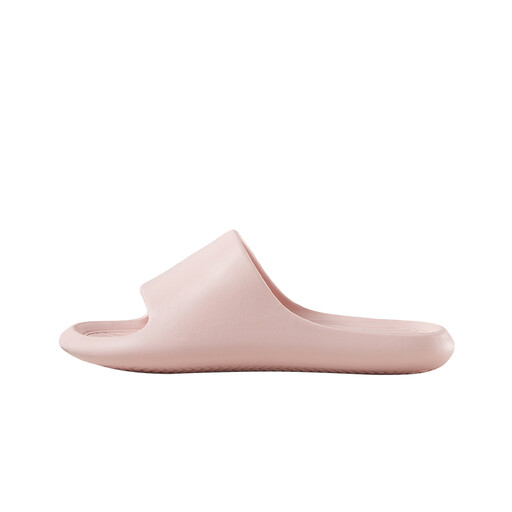
Why it suits this type of user: The wide banana-boat shape is designed for wider or fuller feet, while its lightweight construction makes it practical at home, on holiday and for everyday wear.
The product description specifies a wide fit, a water-resistant footbed with a grid texture and a raised toe.
Wide fit, one-piece moulded EVA and a choice of several colours.
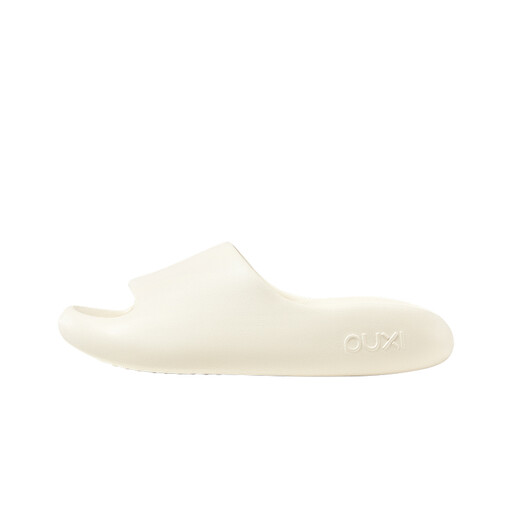
Why it suits this type of user: This style combines a 3 cm EVA sole with a covered forefoot, a wider opening and a contoured footbed, making it suitable for indoors and out.
The grid tread is clearly specified, along with the protective edge and fully covered toe.
3 cm sole, contoured footbed and massage nodules, according to the product description.
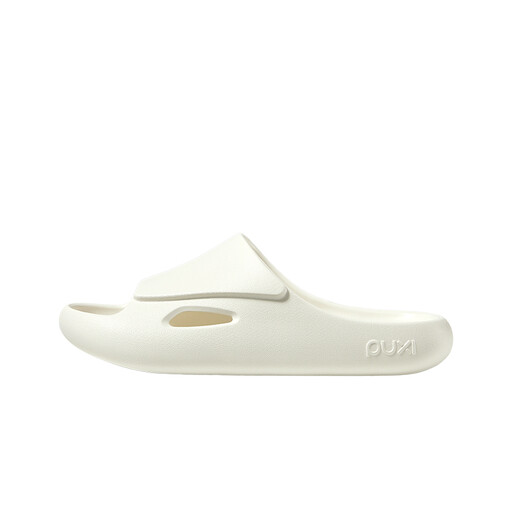
Why it suits this type of user: This style is specifically described for bathroom use, with a focus on draining water quickly and providing grip on wet surfaces.
The product information mentions drainage channels, a contoured footbed and a wave tread with deep grooves.
Designed specifically for bathroom use, with quick-drying properties and a textured sole.
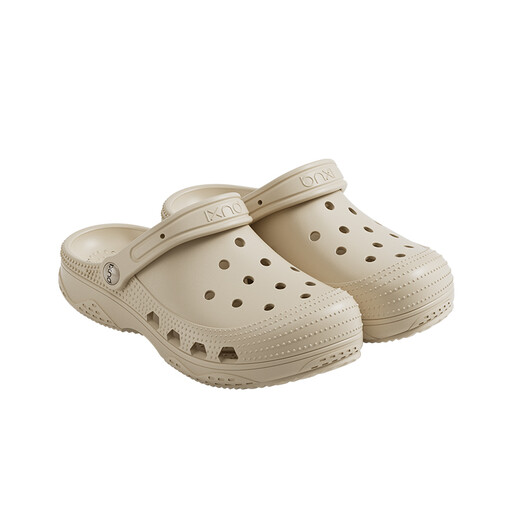
Why it suits this type of user: Ventilation holes and two ways to wear this style make it suitable for home, the garden, the beach and short trips outdoors.
The openings make ventilation easier to assess than with a fully enclosed slide.
High-density EVA, an arch-shaped footbed and two ways to wear the clog.
We’ve put together a complete, up-to-date list of products that meet these strict selection criteria and the applicable European safety regulations.
Rinse your EVA slippers after use if they’ve picked up sand, chlorine or dirt. Leave them to dry completely in a well-ventilated place, out of direct sunlight. Don’t leave them wet in a bag or closed cupboard for long periods. According to the product information, a slight odour on arrival can be caused by storage and transport; airing them in the shade may help.
Replace your slippers when the sole becomes visibly smooth, develops cracks or the fit noticeably changes. Their lifespan depends on how far you walk in them, moisture, sunlight and the surface you wear them on. There’s no set lifespan that applies to every pair.
That depends on the sole tread and drainage. Choose a style with deep grooves, drainage channels and a footbed that holds your foot securely. According to its product description, the PUXI Wave is specifically designed for bathroom use.
For the styles mentioned here, size 37-38 generally corresponds to a recommended foot length of 240 mm. Measure both feet and choose your size based on the longer one. If you’d prefer a roomier fit, you could consider going up a size in styles with a suitable size chart.
Yes, several EVA slides are described as suitable for indoors and out, the beach or short walks. Pay attention to the sole, ventilation and toe protection. For long walks or intense sports activities, ordinary slippers are usually not the most suitable choice.
